






What Causes Scratches on Cars Even When They Are Parked?
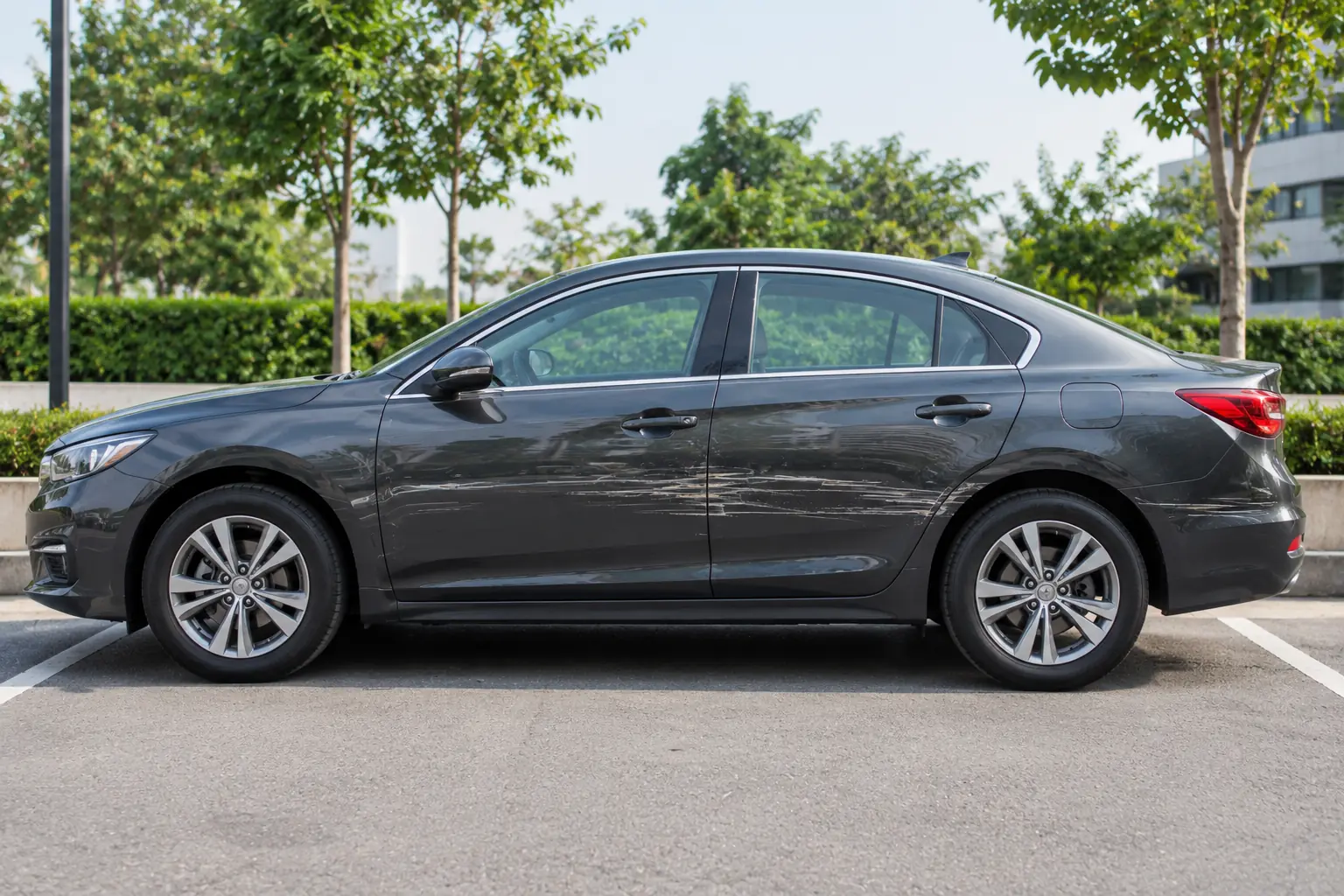
It is a frustrating experience: you return to your vehicle after a day at work or a weekend trip, only to find new, unexplained marks on the paint. Many vehicle owners wonder what causes scratches on cars even when they are parked. While driving hazards like road debris are obvious culprits, a stationary vehicle is still exposed to a variety of environmental, human, and animal-related factors. Understanding these hidden risks is the first step toward implementing effective strategies to protect your parked car from scratches and preserve its finish.
Common Causes of Car Scratches While Parked
Even when a vehicle is completely stationary, it remains vulnerable to several common sources of surface damage.
Environmental Fallout and Debris
Wind can carry dust, sand, or industrial grit across a car's surface. If the vehicle is already dusty, a light breeze or someone casually brushing against the panel can drag these abrasive particles across the paint, creating fine swirl marks. Additionally, rain or morning dew can mix with airborne dirt, leaving behind gritty residue as it dries.
Tree Branches and Landscaping
Parking beneath trees or near overgrown landscaping might seem like a good way to avoid direct sunlight, but it introduces physical risks. Wind can cause low-hanging branches, shrubs, or stiff leaves to sway and scrape against the paint, particularly on the roof, hood, and side panels.
Animals and Birds
Cats, squirrels, and other small animals may use a parked car as a stepping stone or a place to rest, leaving behind fine claw marks. Furthermore, bird droppings and tree sap are highly acidic. If left on the surface for too long, they can chemically etch into the clear coat, leaving permanent marks that closely resemble physical scratches.
Parking Lot Activity
In shared parking areas, the risk of incidental contact increases significantly. Neighboring drivers may open their doors too wide, causing "door dings." Pedestrians walking past might accidentally brush the vehicle with heavy bags, zippers, or keys. Stray shopping carts can also roll into the side of a parked car.
Intentional Vandalism
Unfortunately, deliberate scratching with keys, coins, or other sharp objects remains a risk, particularly in poorly lit or unmonitored parking areas.
Improper Car Covers
While a car cover can offer protection, using a low-quality cover or placing a cover over a dusty vehicle can cause more harm than good. Wind can cause the fabric to flap, trapping abrasive dust particles underneath and acting like sandpaper against the paint.
Types of Car Scratches and How to Identify Them
Not all scratches are created equal. Identifying the depth of the damage is crucial for determining the appropriate repair method. To help you assess the damage, review the table below detailing the common types of car scratches and how to identify them.
Type of Scratch | Depth and Characteristics | How to Identify (The Fingernail Test) | Typical Repair Approach |
| Clear Coat Scratches | Shallow marks affecting only the top protective clear layer. | Your fingernail will not catch in the groove. | Often removable with a light polish or scratch remover. |
| Paint / Base Coat Scratches | Deeper marks that penetrate the clear coat and expose the colored paint layer. | Your fingernail will catch slightly in the groove. | Requires touch-up paint, compounding, or professional blending. |
| Primer / Metal Scratches | Severe gouges that reach the grey primer or bare metal underneath. | Your fingernail catches deeply; the underlying layer is visibly different. | Requires immediate professional repair or repainting to prevent rust. |
How to Prevent Scratches on a Parked Car
While it is impossible to eliminate all risks, you can significantly reduce the likelihood of your vehicle sustaining damage while parked by adopting a few proactive habits.
Choose Parking Spots Wisely
Whenever possible, park in a covered garage or a well-lit, monitored area. If parking outdoors, choose spots away from overhanging trees, dense shrubbery, and the ends of parking rows where shopping carts are frequently abandoned. Parking in an "end spot" with a wall or pillar on one side can also limit the number of adjacent vehicles that can open their doors into yours.
Use High-Quality, Clean Car Covers Carefully
If you must use a car cover, ensure it is made of a soft, breathable, multi-layer material designed specifically for automotive paint. Crucially, always wash the vehicle and ensure the cover itself is clean before application to prevent trapped debris from causing abrasion.
Clean Contaminants Promptly
Regularly inspect your vehicle for bird droppings, tree sap, or insect residue. Because these substances are acidic, they should be gently removed as soon as possible using a dedicated detail spray and a clean microfiber towel to prevent chemical etching that mimics scratching.
Apply Paint Protection Film (PPF)
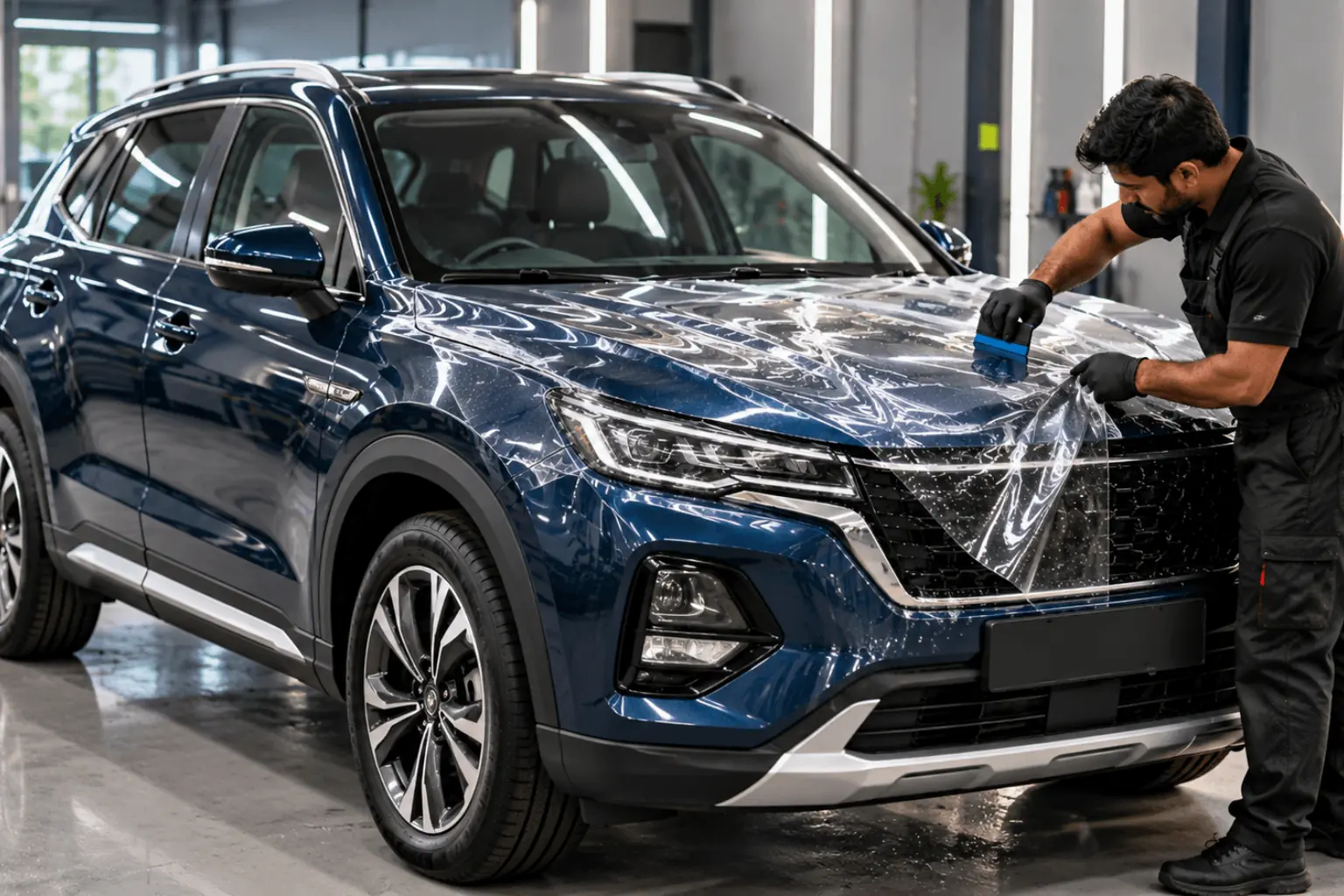
For the highest level of defense, applying Paint Protection Film (PPF) to vulnerable areas is highly effective. PPF creates a durable, transparent physical barrier over the factory paint. Advanced paint protection films from manufacturers like Global Hi-Tech Films feature self-healing top coats. This means that minor surface abrasions, light swirl marks from environmental fallout, and incidental contact from things like brushing branches or shopping carts can often fade away with exposure to ambient heat. Applying PPF to high-risk areas such as door edges, front and rear bumpers, side mirrors, and the hood can help preserve the underlying paint finish.
Keeping Your Car's Paint in Pristine Condition
Discovering new marks on your vehicle can be frustrating, but understanding what causes scratches on cars even when they are parked empowers you to take preventive action. By choosing parking spots carefully, maintaining a clean vehicle, removing acidic contaminants promptly, and utilizing advanced protective solutions like self-healing paint protection film, you can significantly reduce the risk of surface damage. These proactive measures will help ensure your car maintains its pristine appearance and long-term value, regardless of where it is parked.
FAQs About Car Scratches
- What causes scratches on cars even when they are parked?
Parked cars can get scratched by wind-blown dust, swaying tree branches, animal claws, shopping carts, neighbouring car doors, and accidental contact with sharp objects. Dust trapped beneath a car cover can also create fine scratches when the fabric moves against the paint. - Can wind cause scratches on a parked car?
Yes, wind can carry sand, dust, and other abrasive particles that scratch the paint when they move across the surface. It can also make tree branches or car covers rub against the vehicle, increasing the risk of fine scratches. - Can a car cover scratch your car's paint?
Yes, a car cover can cause scratches if it traps dust and grit against the paint or rubs against the surface in strong winds. Using a clean, paint-safe cover on a clean vehicle can help reduce this risk. - Can bird droppings and tree sap damage car paint?
Yes, bird droppings and tree sap can stain or etch the clear coat if left on the surface for too long. Although they do not typically cause physical scratches, the marks they leave can resemble scratches. Prompt, gentle cleaning helps minimise damage. - How can I tell if a scratch on my car is deep?
A scratch that appears white, exposes a different paint layer, or reveals primer or metal may indicate deeper damage. The fingernail test can provide a rough indication, but it cannot confirm the exact depth. Professional assessment is advisable for deep or extensive scratches. - How can I prevent scratches on my car while it is parked?
Park away from overhanging branches and high-traffic areas, choose covered or monitored parking where possible, keep the paint and car cover clean, and remove bird droppings and tree sap promptly. Paint Protection Film (PPF) can provide an additional layer of protection against minor surface damage. - Can Paint Protection Film (PPF) prevent scratches while a car is parked?
PPF can help protect a car's paint from minor abrasions, light surface scratches, and everyday contact. However, its effectiveness depends on the film and the severity of the impact. It cannot guarantee protection against deep scratches, sharp-object damage, or deliberate vandalism. - Can PPF repair existing scratches on a car?
PPF does not repair scratches already present in the underlying paint. Existing damage should be assessed and corrected before the film is installed. Some self-healing PPF products can help minor marks on the film's own surface diminish under suitable heat conditions.

 English
 German
 Spanish
 French
 Arabic
 Chinese
 Turkish
 Russian