



Why Does Car Window Tint Look Blurry or Distorted While Driving?
.png)
Getting your windows tinted should make driving more comfortable, not harder on the eyes. Yet plenty of drivers notice blurry car window tint after a fresh install, or a few years down the road. Objects look soft, the view wobbles, and glare seems worse than before. In most cases, blurry vision through car windows points to a problem with the film, the installation, or simple aging. Here's what causes it and how to fix it.
Why Does Window Tint Look Blurry?
Tint film sits directly in your line of sight, so any flaw shows up in your view. A good film is optically clear: light passes evenly, and the world looks sharp, only darker. When the film, adhesive, or application falls short, light scatters unevenly, and drivers experience it as car window tint distortion.
The cause isn't always obvious. A small wrinkle, cheap adhesive, or worn-out film can each create similar window tint visibility problems.
Common Causes of Blurry Window Tint
Knowing the causes of blurry window tint makes it easier to decide between a repair, a retint, or a better film.
Poor Quality Window Tint
Budget films are the most frequent culprit. Poor quality window tint often uses thin or inconsistent layers, leaving a slightly rippled surface that acts like a warped lens. Distorted vision through tinted windows is common with low-grade film, especially on large rear windows.
Uneven Window Film Installation
Even excellent film looks bad when applied badly. Uneven window film installation leaves wrinkles, small creases near the edges, and spots where the film hasn't settled against the glass. Curved windows are unforgiving, since film that isn't heat-shrunk to match the curve can warp the view.
Window Tint Adhesive Defects
Window tint adhesive defects can show up as cloudy patches, a rainbow-like sheen, or streaks that never clear. Dust trapped during installation stays locked between the film and the glass for good.
Air Bubbles in Car Window Tint
A few small moisture pockets are normal during the first couple of weeks while the film cures. Permanent air bubbles in car window tint are different. Each bubble acts like a tiny magnifier, and bubbles that grow or linger point to car window film defects.
Window Tint Haze
Sun and heat break films down over time. Window tint haze appears as a milky or foggy look, usually on older dyed films, and it reduces window film clarity in any lighting.
How Does Window Tint Affect Visibility While Driving at Night?
Many drivers only notice problems after dark. Night driving visibility through tinted windows is where weaker films struggle most. With less light available, any haze or ripple gets amplified, headlights can create halos, and mirrors may look smeary.
Very dark shades also let in less light even when the film is clear. Check your state's legal tint limits before choosing a shade, since rules vary across the USA.
Is Your Window Tint Really Causing the Distorted Vision?
Not every blurry view comes from the film. These can mimic optical distortion in window film:
- Dirty glass or leftover adhesive residue.
- Polarized sunglasses, which can make glass patterns look wavy.
- Older or damaged glass that was already slightly wavy.
A quick test: look at the window with and without sunglasses, from different angles, in daylight and at night. If the distortion shifts with angle, the film or its installation is the likely cause.
How to Fix Blurry Window Tint?
Once the cause is clear, here's how drivers usually approach how to fix blurry window tint:
- Give new tint a couple of weeks to cure. Minor haze and moisture pockets often disappear on their own.
- Skip DIY fixes. Poking bubbles or scraping film usually makes things worse.
- Go back to the installer. A reputable shop typically covers installation issues under its workmanship warranty.
- Replace the film if there's haze, peeling, or widespread bubbling.
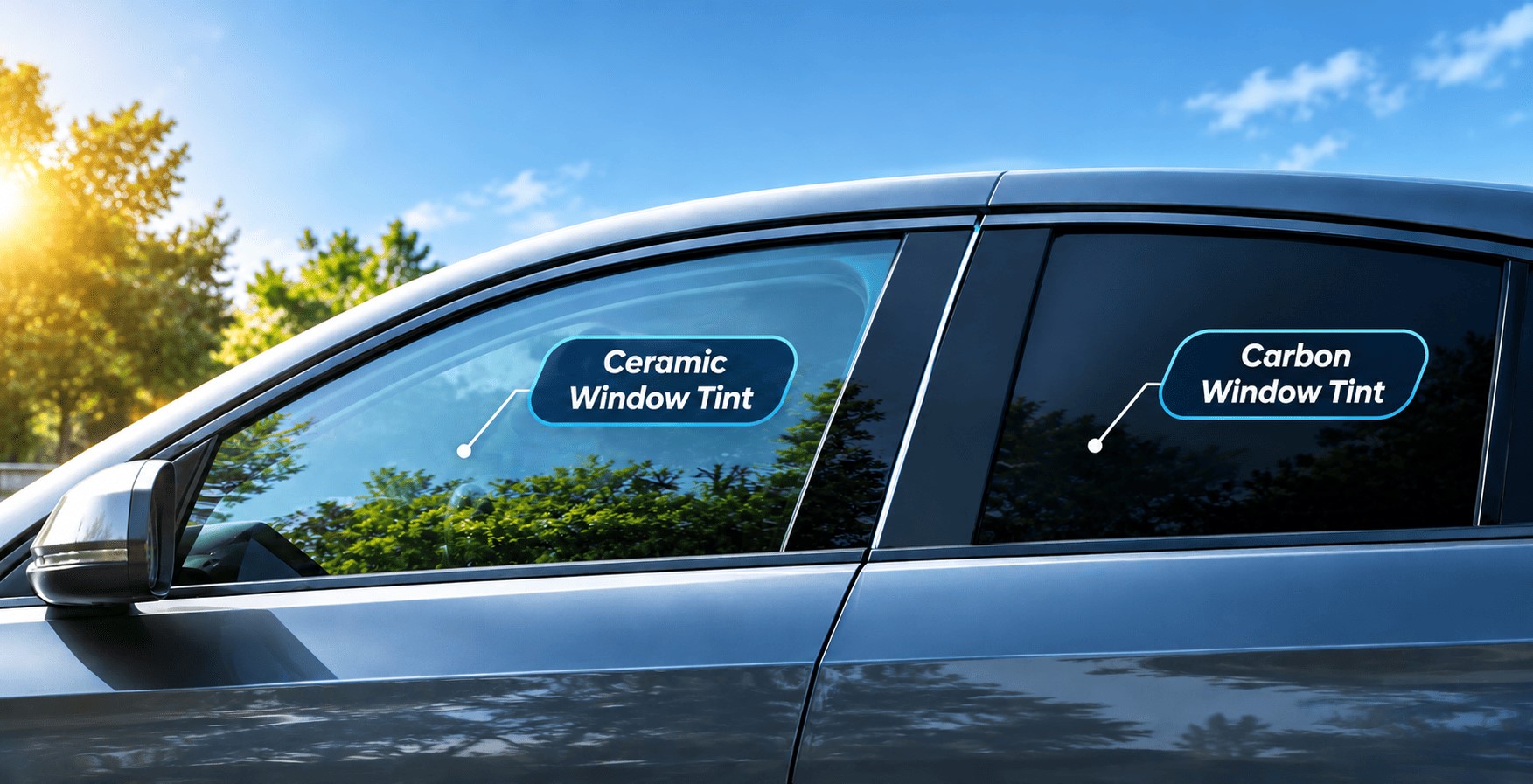
- Upgrade to a quality ceramic film for better clarity and a longer life.
How to Choose Tint That Stays Clear
Look for a solid warranty, ask what film is being used, and check how the shop handles curved glass and edges. Ask to see finished examples. Global Hi-Tech Films focuses on films built for lasting clarity, so the view stays sharp through years of heat and sun.
Conclusion
Once you know why your window tint looks blurry, whether it's poor film, rushed installation, adhesive trouble, or age-related haze, most issues can be traced and corrected. Whether it's poor film, rushed installation, adhesive trouble, or age-related haze, most issues can be traced and corrected. For clear sightlines and long-lasting protection for both glass and paint, Global Hi-Tech Films is worth a look.
FAQs
- Why does my new window tint look blurry?
Fresh tint often looks slightly hazy while the adhesive cures and moisture evaporates. This usually clears within a few weeks. If it doesn't, the film or installation may be the cause. - Can window tint cause distorted vision?
Yes. Low-quality film, wrinkles, bubbles, and adhesive flaws can all bend light unevenly. - Is blurry tint a sign of bad installation?
Often, yes. Wrinkles, creases, and uneven edges usually point to application mistakes, especially on curved windows. - Why is tinted glass harder to see through at night?
Darker films let in less light, and any haze or imperfection becomes more noticeable in low light. - Can blurry window tint be repaired?
Minor installation issues can sometimes be corrected by the installer. Widespread haze, bubbling, or peeling usually means the film should be replaced. - Do air bubbles in window tint go away on their own?
Small moisture bubbles may disappear as the film cures. Bubbles that remain after several weeks typically indicate trapped air or adhesive failure. - Can PPF be used instead of window tint?
No. PPF protects paint from chips and scratches, while window tint reduces heat, glare, and UV on glass. They serve different purposes and work well as a pair.
.png)
 (1).png)

 English
 German
 Spanish
 French
 Arabic
 Chinese
 Turkish
 Russian