






Which Car Parts Get Damaged the Most and How to Protect Them
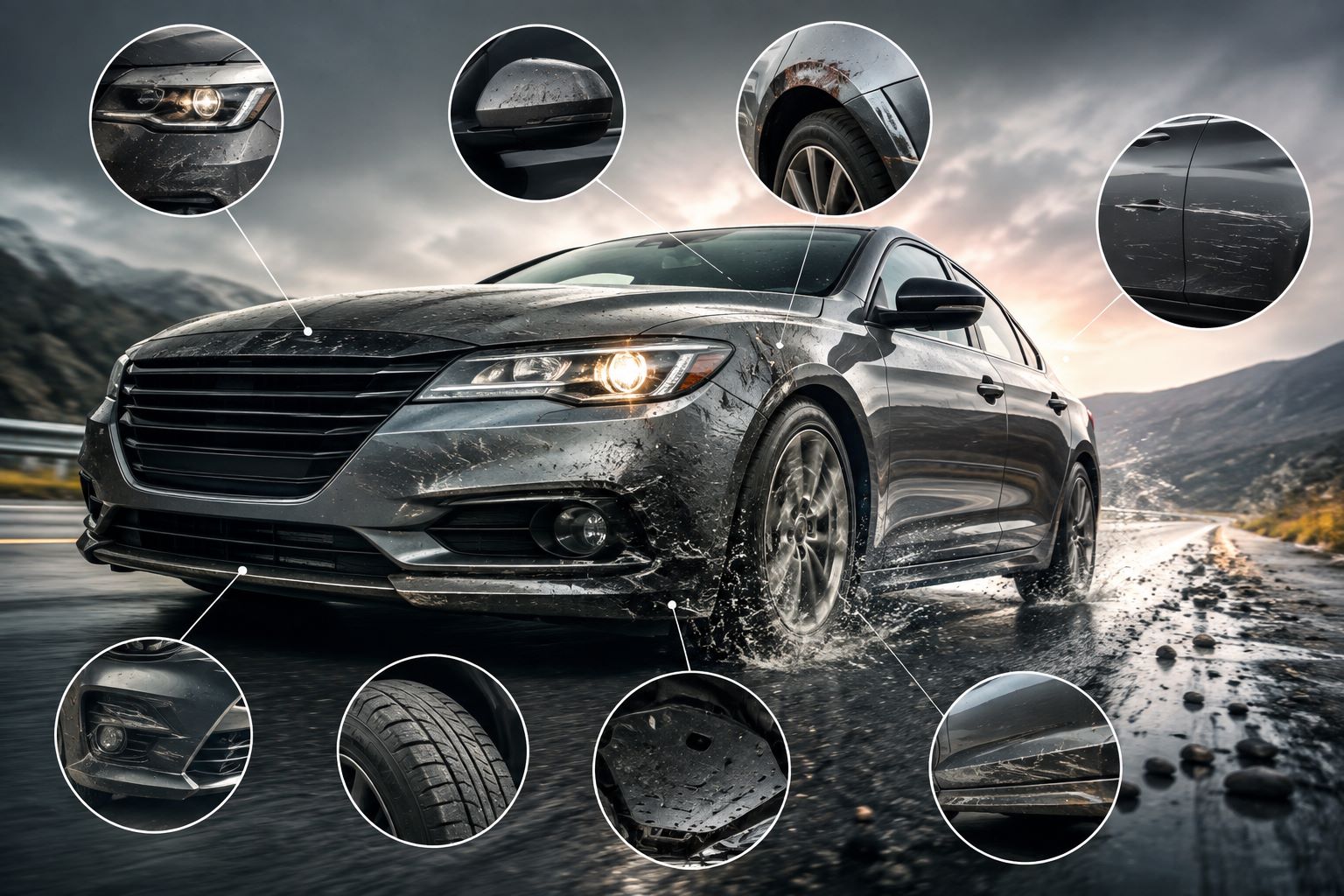
Owning a vehicle is a significant financial investment, but daily driving exposes it to constant wear, tear and environmental hazards. If you have ever wondered which car parts get damaged the most, the answer includes both mechanical components that experience regular wear and exterior surfaces exposed to road debris, weather and everyday impacts. Understanding these vulnerable areas and the common causes of car damage is essential for preserving your vehicle's reliability, safety and overall condition. This guide breaks down the most susceptible areas of your vehicle and provides actionable strategies to protect exterior surfaces and mechanical systems from premature damage.
The Most Commonly Damaged Exterior Car Parts
Your vehicle's exterior is the first line of defense against the elements and the road. Because these panels are constantly exposed to flying debris, tight parking spaces and harsh weather, they are among the areas most vulnerable to exterior car damage.
Front Bumper, Hood, and Fenders: Common Damage Risks
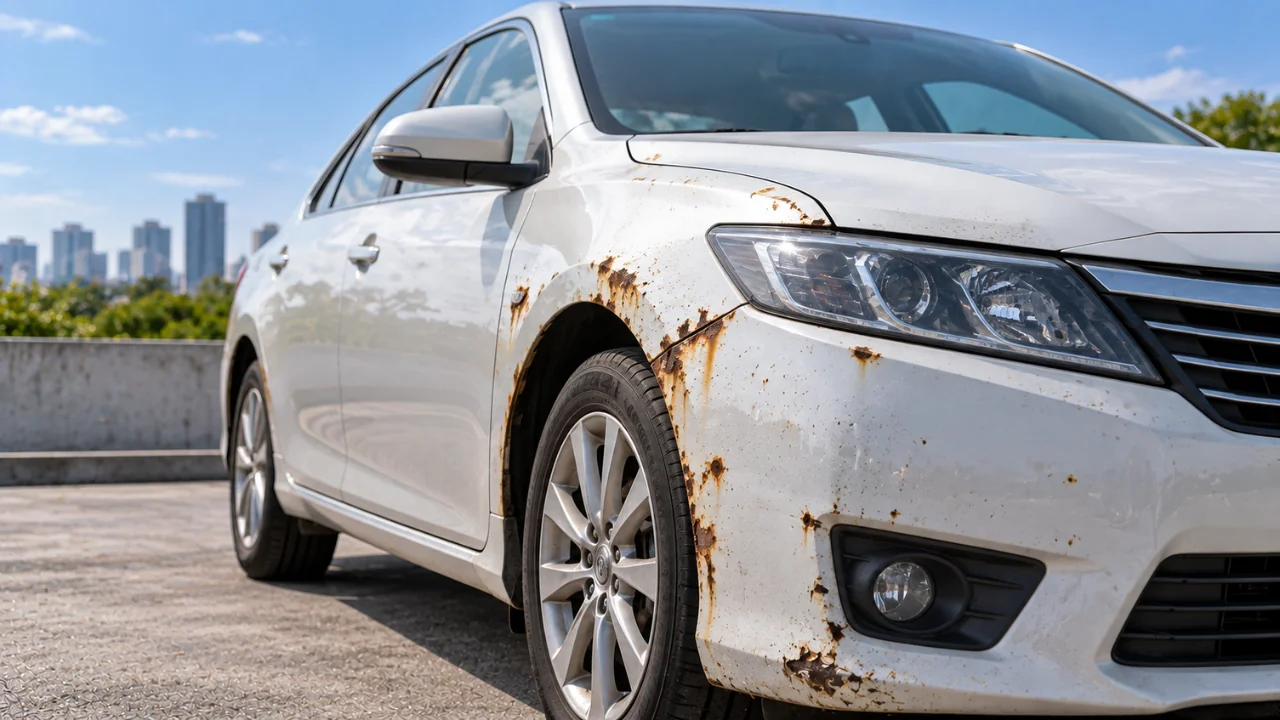
These front-facing panels are among the most damage-prone parts of a car when it comes to road debris. Driving at highway speeds turns small gravel, stones and sand into high-speed projectiles that chip away at the factory paint. Repeated stone chips can expose the underlying surface and, when they reach bare metal, increase the risk of corrosion.
Side Mirrors, Door Edges, and Handle Cups: Common Damage Areas
Parking lots are notorious for causing cosmetic damage. Side mirrors protrude from the vehicle and are easily clipped by passing cars or pedestrians. Similarly, door edges are highly susceptible to paint chips and dents when opened near walls, pillars or other vehicles in tight spaces. Door handle cups can also develop fine scratches from fingernails, rings and repeated use.
Windshield and Wipers: Common Causes of Damage
The windshield takes the brunt of flying rocks and severe temperature fluctuations, making cracks and chips incredibly common. Furthermore, worn-out wiper blades can drag hard rubber and trapped grit across the glass, causing permanent scratches that impair visibility. It is important to note that windshield protection requires dedicated glass protection solutions rather than conventional paint protection film.
How Paint Protection Film Protects Damage-Prone Car Parts
When evaluating how to protect car paint from damage and prevent stone chips, high-quality Paint Protection Film (PPF) is one of the most effective options for shielding painted exterior surfaces from stone chips, minor scratches and road debris. Applying PPF creates a physical, self-healing urethane barrier over your factory paint.
Knowing which parts of a car benefit most from PPF can help you prioritise coverage. Global Hi-Tech Films offers paint protection film with features such as a durable top coat, self-healing properties and optical clarity, making it suitable for high-impact areas including the front bumper, hood, front fenders, side mirrors and door edges. These properties can help minor surface scratches and swirl marks disappear with heat while keeping vulnerable panels looking cleaner and helping maintain the appearance of the factory paint.
The Most Commonly Damaged Mechanical Car Parts
While exterior damage is highly visible, mechanical wear and tear can also lead to costly repairs and compromised safety. Unlike exterior damage, which is best addressed with protective films, mechanical damage is primarily managed through consistent maintenance and sensible driving habits.
- Tires and Wheels: Tires endure constant friction, extreme temperature changes and the impact of potholes. Under-inflated or over-inflated tires can wear unevenly, affect handling and increase the risk of tire failure.
- Brake Pads and Rotors: The braking system generates immense heat and friction every time you slow down. Aggressive braking and heavy stop-and-go city traffic cause brake pads to wear down rapidly.
- Car Battery: Your vehicle's battery is highly sensitive to extreme weather. Excessive heat causes battery fluid to evaporate, while extreme cold reduces its cranking power. Frequent short trips may not give the alternator enough time to fully recharge the battery.
- Suspension System: Your suspension absorbs the impact of the road. Speeding over speed bumps, hitting deep potholes or consistently carrying heavy loads will prematurely wear out shock absorbers and struts.
Common Causes of Car Damage and How to Prevent Them
Many common causes of car damage are linked to driving habits, environmental exposure and vehicle neglect. Some simple precautions can help reduce unnecessary wear and protect your vehicle's exterior and mechanical components.
- Road debris: Maintain a safe following distance from trucks and other vehicles, especially on gravel or poorly maintained roads. PPF can provide additional protection for high-impact painted areas.
- Parking hazards: Choose wider parking spaces where possible and take care when opening doors near walls, pillars or other vehicles.
- Environmental exposure: Wash off bird droppings, tree sap and road contaminants promptly. PPF, ceramic coatings and other protective treatments can provide additional exterior protection.
- Driving habits: Avoid harsh acceleration, hard braking and hitting curbs or potholes at speed to reduce unnecessary mechanical wear.
- Vehicle neglect: Follow the manufacturer's service schedule and address warning lights or unusual noises promptly.
How to Prevent Car Damage and Extend Vehicle Lifespan
Protecting your vehicle requires a mix of immediate protective installations and consistent long-term habits.
Follow the Manufacturer Service Schedule
Your owner's manual contains a precise timeline for fluid changes, filter replacements and mechanical inspections. Following this schedule can help identify and address mechanical wear before it develops into more serious problems.
Wash Your Car Regularly to Protect the Exterior
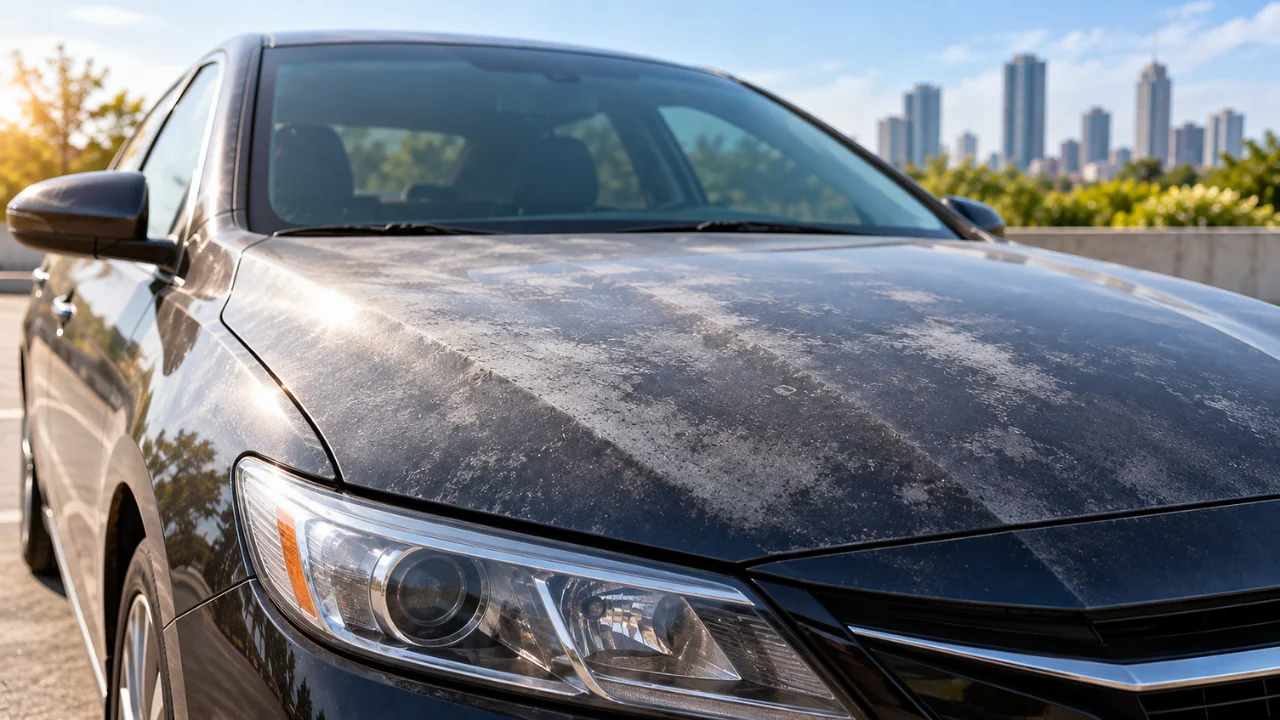
Environmental contaminants such as bird droppings, tree sap and industrial fallout can damage or etch the clear coat if left on the surface for too long. Regularly washing your car with a pH-neutral shampoo can help keep the paint clean and reduce the buildup of damaging contaminants.
Check Tire Pressure and Essential Fluids Regularly
Make it a habit to check your tire pressure when the tires are cold. Properly inflated tires improve fuel efficiency, ensure optimal handling and prevent premature tread wear. Simultaneously, check your engine oil, coolant and brake fluid levels to ensure all mechanical systems are properly lubricated.
Conclusion
Understanding which car parts are most prone to damage helps you take a more proactive approach to vehicle care. While mechanical components like tires and brakes require consistent maintenance and sensible driving habits, your vehicle's exterior requires physical protection against an unpredictable environment. By combining routine mechanical servicing with exterior protection solutions like Paint Protection Film, you can help shield vulnerable surfaces from common sources of car damage. This strategy can help maintain the vehicle's appearance and condition, which may support its resale appeal.
FAQs About Car Damage and Protection
- What are the most commonly damaged car parts?
The front bumper, hood, fenders, side mirrors, windshield, tires, brakes and suspension components are among the parts most exposed to damage or wear. - Which parts of a car are most prone to scratches and dents?
Door edges, door handle cups, side mirrors, bumpers and fenders are particularly vulnerable to scratches, dents and everyday impacts. - What causes the most damage to a car's exterior?
Road debris, stone chips, parking incidents, UV exposure, bird droppings, tree sap and harsh weather are common causes of exterior damage. - How do I protect my car from stone chips and road debris?
Maintaining a safe following distance and installing PPF on high-impact areas such as the bumper, hood and front fenders can help protect against stone chips. - Which parts of a car need PPF the most?
The front bumper, hood, front fenders, side mirrors, rocker panels, door edges and door handle cups are common areas for PPF protection. - Does PPF protect against scratches and stone chips?
Yes. PPF creates a protective layer over painted surfaces that helps reduce damage from stone chips, road debris and minor scratches. - What are the most common causes of mechanical car damage?
Potholes, aggressive driving, excessive loads, poor maintenance and normal wear can contribute to damage or premature wear of mechanical components. - How can I prevent common car damage and extend my vehicle's lifespan?
Follow the manufacturer's maintenance schedule, drive carefully, maintain correct tire pressure and use appropriate protective solutions for vulnerable exterior surfaces.


 English
 German
 Spanish
 French
 Arabic
 Chinese
 Turkish
 Russian