





What Is Car Paint Oxidation? Why It Happens and How to Prevent It
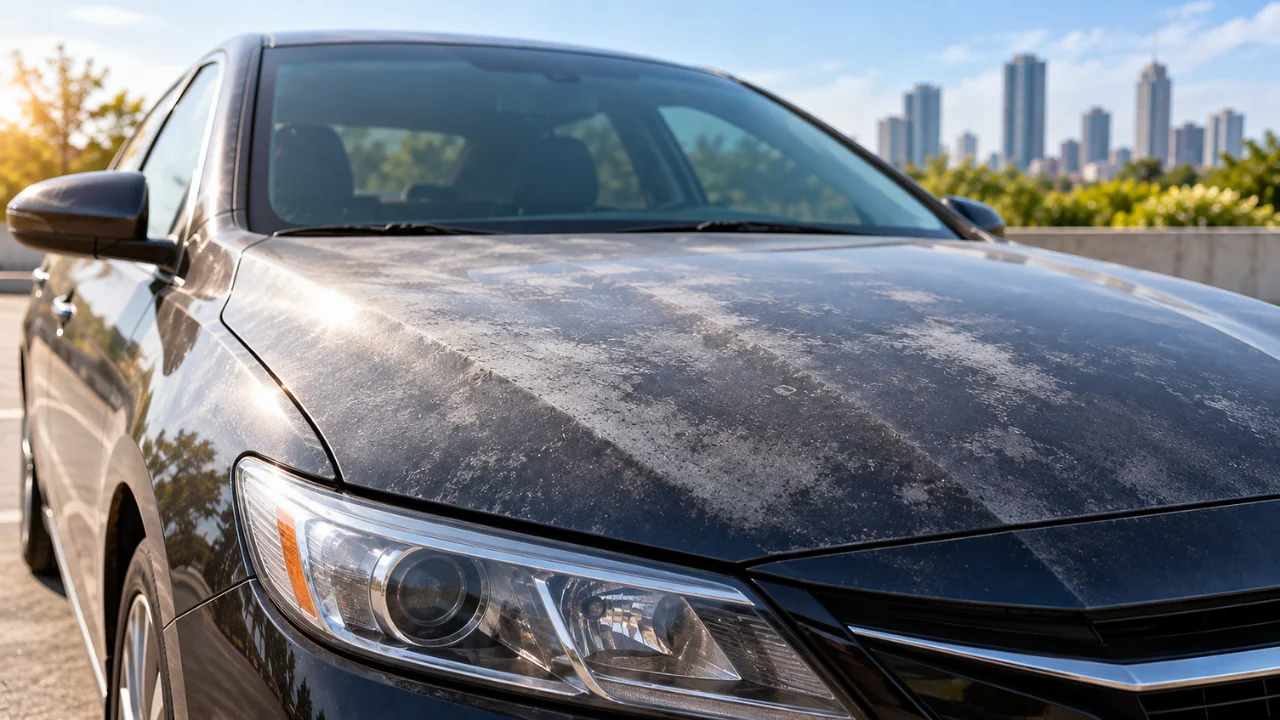
Car paint oxidation is a form of paint degradation that occurs when the clear coat and paint are affected by prolonged exposure to oxygen, UV radiation, heat, moisture, and environmental contaminants. As the protective layers deteriorate, the finish can lose its gloss and develop a dull, faded, hazy, or chalky appearance. Understanding what causes car paint oxidation is the first step toward protecting your vehicle's finish and preserving its long-term value.
What Is Car Paint Oxidation?
Automotive paint contains polymers and other materials that can degrade when exposed to UV radiation, oxygen, heat, moisture, and pollutants over time. The clear coat is designed to protect the underlying layers, but prolonged environmental exposure can cause it to deteriorate. As the finish weathers, it loses its smoothness and ability to reflect light evenly, resulting in a dull, hazy, or chalky appearance.
What Are the Signs of Car Paint Oxidation?
Identifying oxidation early is key to preventing permanent damage. If you suspect your vehicle's finish is degrading, look for these common indicators:
- Dull or faded appearance: The paint loses its vibrant color and looks washed out.
- Loss of gloss: The surface no longer reflects light sharply, appearing flat or matte.
- Hazy finish: A cloudy or milky film seems to sit on top of the paint.
- Chalky or rough surface: The paint feels dry, powdery, or rough to the touch rather than smooth and slick.
- Color fading: The color appears significantly lighter than non-exposed areas, such as under door handles or trim pieces.
- Peeling or flaking: In advanced cases, the clear coat begins to separate from the base coat.
Why Does Car Paint Oxidize? Common Causes
Oxidation is a gradual process driven by prolonged exposure to the elements and a lack of surface protection. To help you identify the primary risks to your vehicle, review the table below detailing the most common causes of car paint oxidation.
Cause | How It Contributes to Oxidation |
| UV Rays and Sunlight | Prolonged UV exposure can break down paint and clear-coat materials, accelerating fading and surface degradation. |
| Heat and Temperature Changes | Repeated heating and cooling can contribute to the deterioration of the paint and clear coat over time. |
| Environmental Contaminants | Pollution, road salt, acid rain, tree sap, and bird droppings can degrade the protective finish when left on the surface. |
| Lack of Surface Protection | Without regular washing and paint protection, the vehicle is more exposed to paint degradation from UV exposure and contaminants. |
What Happens If Car Paint Oxidation Is Left Untreated?
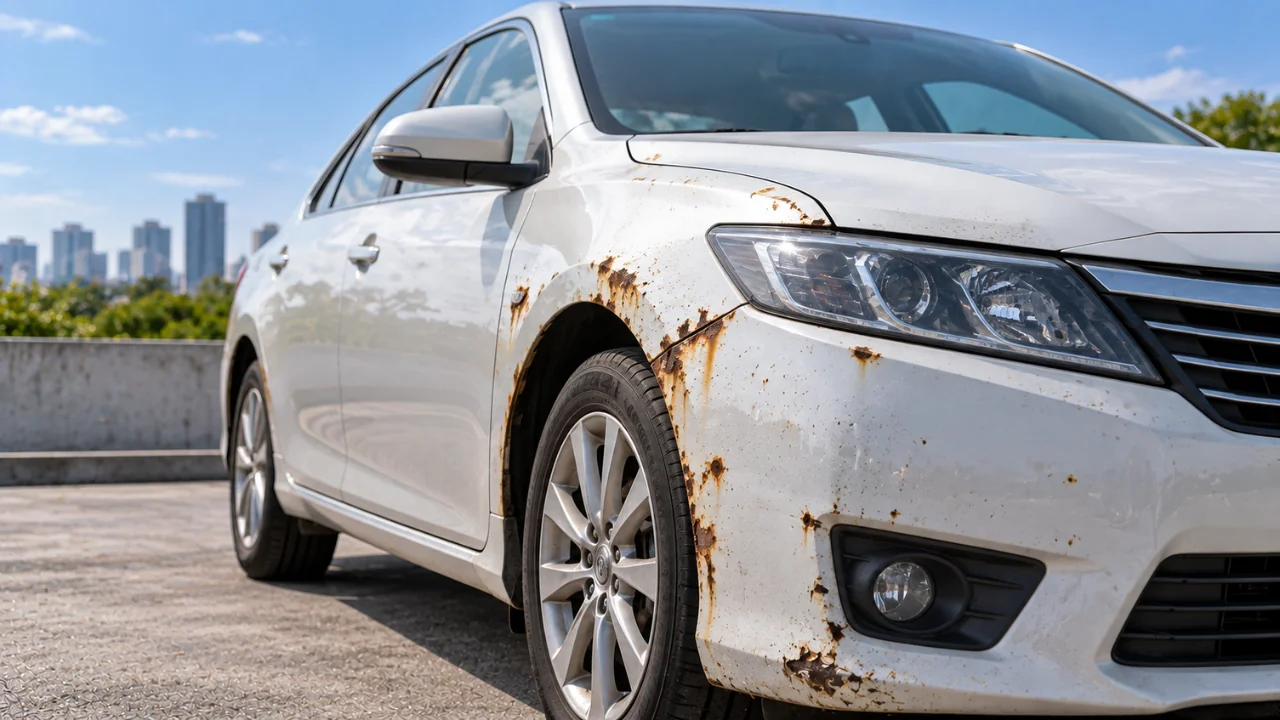
Beyond making a car look poorly maintained, severe oxidation can lead to complete clear-coat failure. In severe cases, paint and clear-coat failure can progress to peeling or flaking, potentially exposing the underlying paint layers. If the damage eventually reaches bare metal, moisture can contribute to corrosion and rust. Addressing early signs of oxidation is crucial to avoiding costly repairs down the line.
How to Prevent Car Paint Oxidation
While no paint job lasts forever, you can effectively delay or prevent oxidation from starting by creating a consistent barrier between the paint and the atmosphere.
Wash Your Car Regularly
Wash your vehicle regularly, particularly when it has been exposed to road salt, bird droppings, tree sap, or other contaminants. Using a pH-neutral car wash soap helps remove embedded debris without stripping existing protection.
Use Car Wax or a Paint Sealant
Wax and paint sealants add a protective layer over the finish that can help reduce exposure to UV radiation, moisture, and contaminants. Reapply according to the product manufacturer's recommended interval to maintain consistent protection.
Consider a Ceramic Coating
Ceramic coatings can provide a durable protective layer over the paint, helping improve resistance to UV exposure, chemicals, water, and environmental contaminants. Depending on the product and maintenance, professional-grade coatings can provide protection for several years.
Park in the Shade or Indoors
Whenever possible, utilize a garage, carport, or shaded parking area. Minimizing direct sunlight exposure drastically prolongs the life of the clear coat and reduces thermal stress on the paint.
Protect High-Impact Areas with PPF
Paint protection film creates a transparent physical barrier over painted surfaces, helping protect them from stone chips, road debris, scratches, and environmental contaminants. Many modern PPF products also offer UV resistance, which can help reduce UV-related paint degradation. Applying PPF to high-exposure areas such as the hood, front bumper, fenders, and side mirrors can therefore complement other paint-care measures and help preserve the finish. Advanced PPF products from manufacturers such as Global Hi-Tech Films are designed to provide optical clarity while protecting the underlying paint from everyday environmental and road-related damage.
How to Fix Oxidized Car Paint
For light to moderate oxidation, paint correction may restore the appearance of the finish. The process typically involves decontamination followed by machine polishing with an appropriate compound and polish to refine the damaged surface and restore gloss. This removes a very small amount of the surface or clear coat to level defects.
However, if severe deterioration has caused the paint and clear coat to peel away or exposed the primer or bare metal, polishing will not restore the missing coating. In such cases, professional refinishing may be required.
Protecting Your Car From Paint Oxidation
Paint oxidation and degradation can develop gradually through prolonged exposure to UV radiation, heat, moisture, oxygen, and environmental contaminants. Regular washing, appropriate paint protection, shaded parking, and protective solutions such as wax, ceramic coatings, or PPF can help slow this process and preserve the vehicle's finish. By identifying early signs of paint degradation and choosing the right level of protection, vehicle owners can maintain their car's appearance and reduce the need for more extensive paint correction or refinishing.
Frequently Asked Questions About Car Paint Oxidation
- What is car paint oxidation?
Car paint oxidation is a form of paint degradation caused by prolonged exposure to oxygen, UV radiation, heat, moisture, and environmental contaminants. It can cause the finish to become dull, faded, hazy, or chalky as the paint and clear coat deteriorate. - What causes car paint oxidation?
Car paint oxidation is primarily influenced by prolonged UV exposure, heat, moisture, oxygen, and environmental contaminants such as pollution, road salt, bird droppings, and acid rain. Inadequate washing and surface protection can also leave the paint more exposed to these factors. - What are the signs of car paint oxidation?
Common signs include a dull or faded appearance, loss of gloss, a hazy or cloudy finish, and a chalky or rough surface. In advanced cases, paint or clear-coat failure may result in peeling or flaking. - Can car paint oxidation be fixed?
Light to moderate oxidation can often be improved through professional paint correction, which typically involves decontamination and machine polishing. If the paint or clear coat has severely deteriorated, peeled away, or exposed the primer or bare metal, professional refinishing may be required. - How can I prevent car paint oxidation?
Regular washing, appropriate waxes or paint sealants, ceramic coatings, shaded or indoor parking, and paint protection film can help reduce exposure to UV rays and environmental contaminants. The right combination depends on the vehicle's usage and level of exposure. - Does PPF help prevent car paint oxidation?
PPF can help reduce UV exposure and protect the paint from environmental contaminants, stone chips, scratches, and road debris. While PPF is primarily designed for physical paint protection, its protective properties can also help reduce factors that contribute to paint degradation. - Can ceramic coating prevent paint oxidation?
Ceramic coating can help protect the paint from UV exposure, moisture, chemicals, and environmental contaminants. It can slow paint degradation, but it does not make the paint completely immune to oxidation or eliminate the need for regular maintenance. - Can severe car paint oxidation be removed?
Severe oxidation cannot always be removed through polishing. If the clear coat or paint is still intact, professional paint correction may improve the finish. However, if the paint has peeled away or the primer or bare metal is exposed, professional refinishing may be necessary.


 English
 German
 Spanish
 French
 Arabic
 Chinese
 Turkish
 Russian