



What Are Automotive Window Films? Types, Benefits, Cost & Uses Explained
For drivers in warm, sunny climates, excessive heat buildup inside the vehicle is a common problem. A car parked under direct sunlight can quickly become uncomfortable, while intense glare during driving can strain the eyes and reduce visibility. Constant exposure to sunlight can also lead to the car seats fading, dashboard cracking, and interior materials deteriorating. This is where automotive window films come into play.
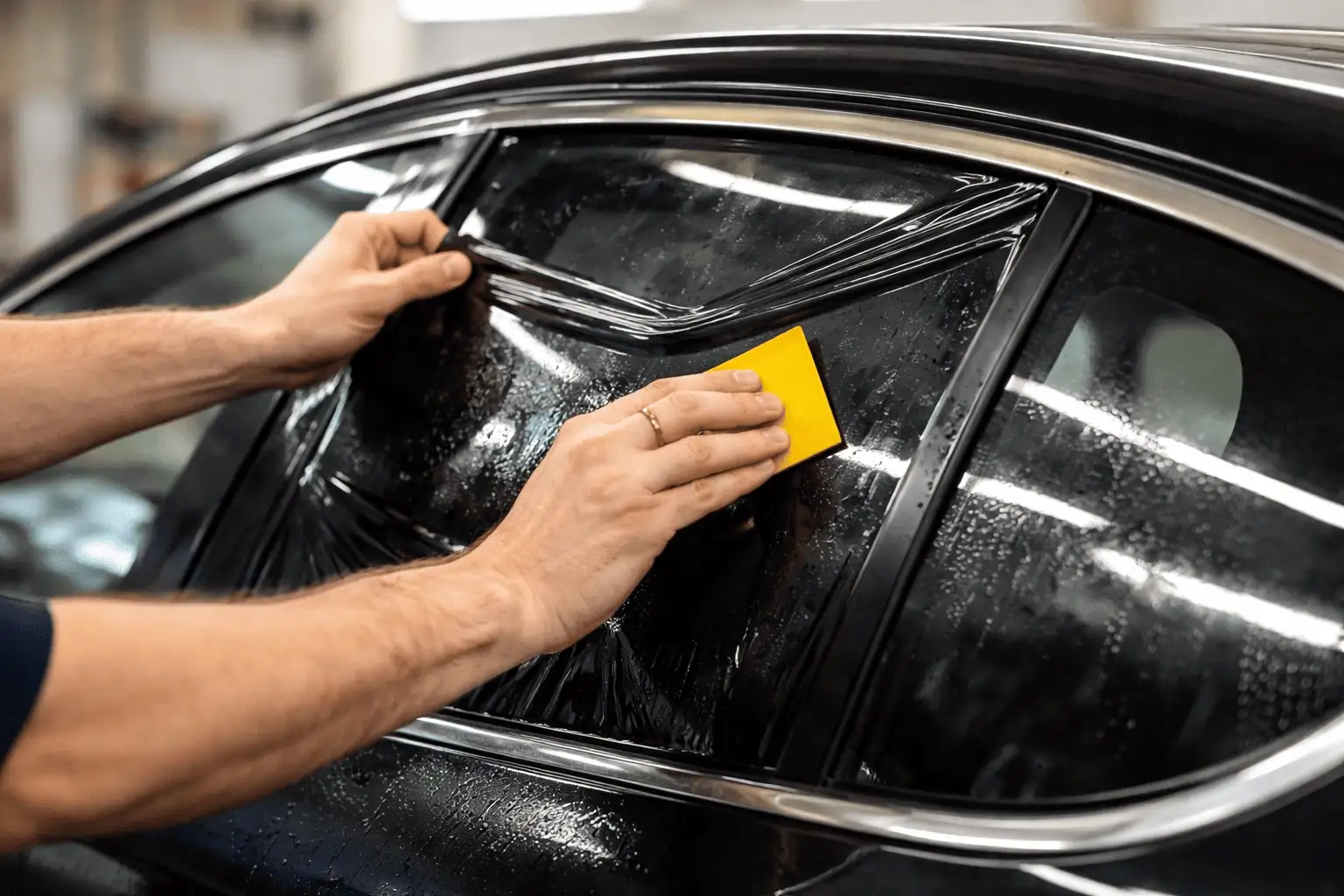
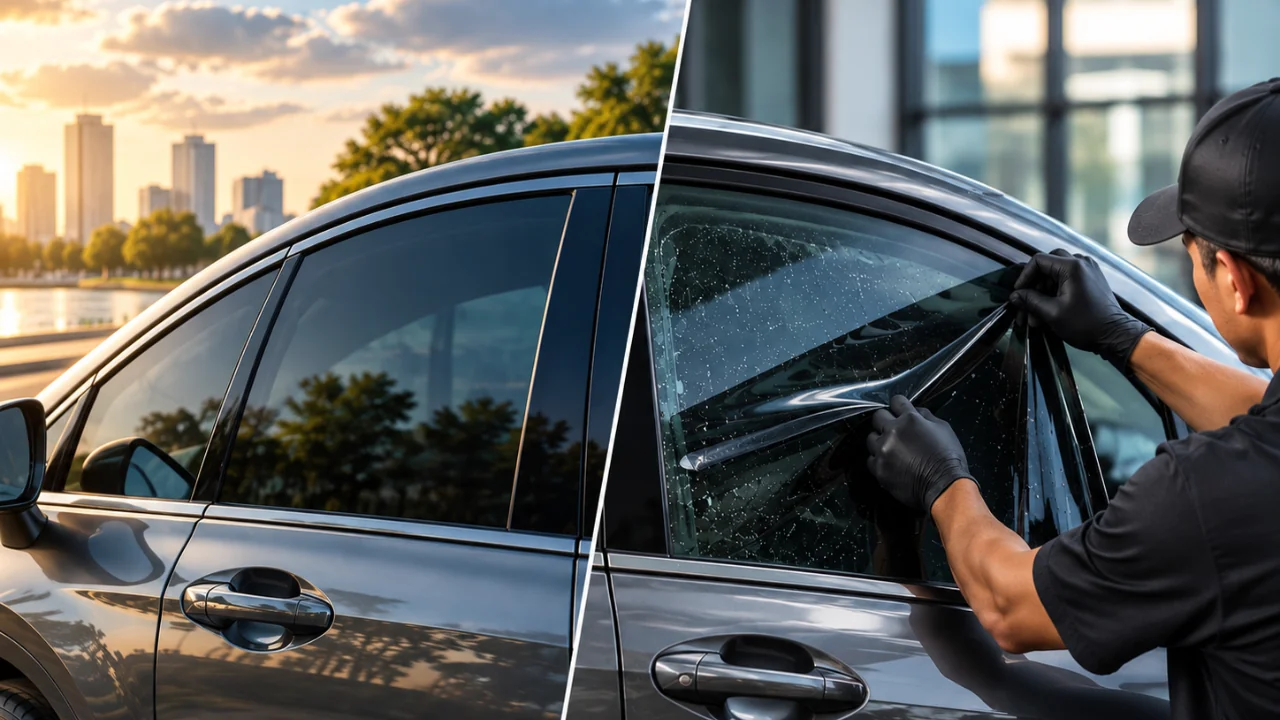
These films are a smart, technology-driven solution to this problem. These advanced films are applied directly to vehicle windows and windshields, helping control solar heat, reduce glare, block harmful UV radiation, and improve overall cabin comfort. Modern innovations in nano-ceramic, metallized, and infrared-blocking technologies have transformed them from car window tint films to high-performance protective systems.
In this blog, we will take a detailed look at automotive window tint benefits, its types, and how they contribute to a safer, more comfortable, and visually enhanced driving experience.
What Is Automotive Window Film? (Definition & How It Works)
Automotive window films are thin, multilayer laminates made of polyester, made to be applied to vehicle glass surfaces. These films use advanced coatings and materials designed to regulate sunlight, heat, and ultraviolet radiation while maintaining optical clarity and visibility. They are both functional and aesthetic, improving thermal comfort, increasing safety, and enhancing the vehicle’s overall appearance.
How Automotive Window Films Work
A car window tint film has the following main functions:
Heat Rejection & Cabin Cooling Benefits:
Window films significantly lower the amount of solar heat that enters the vehicle, which helps in maintaining a more comfortable temperature even during peak sunlight hours.
Block Harmful UV Rays:
High-quality films, like the window film range by Global Hi-Tech Films, can block up to 99% of harmful UV radiation. This helps protect passengers from prolonged sun exposure and prevents interior fading.
Reduce Glare For Safer Driving:
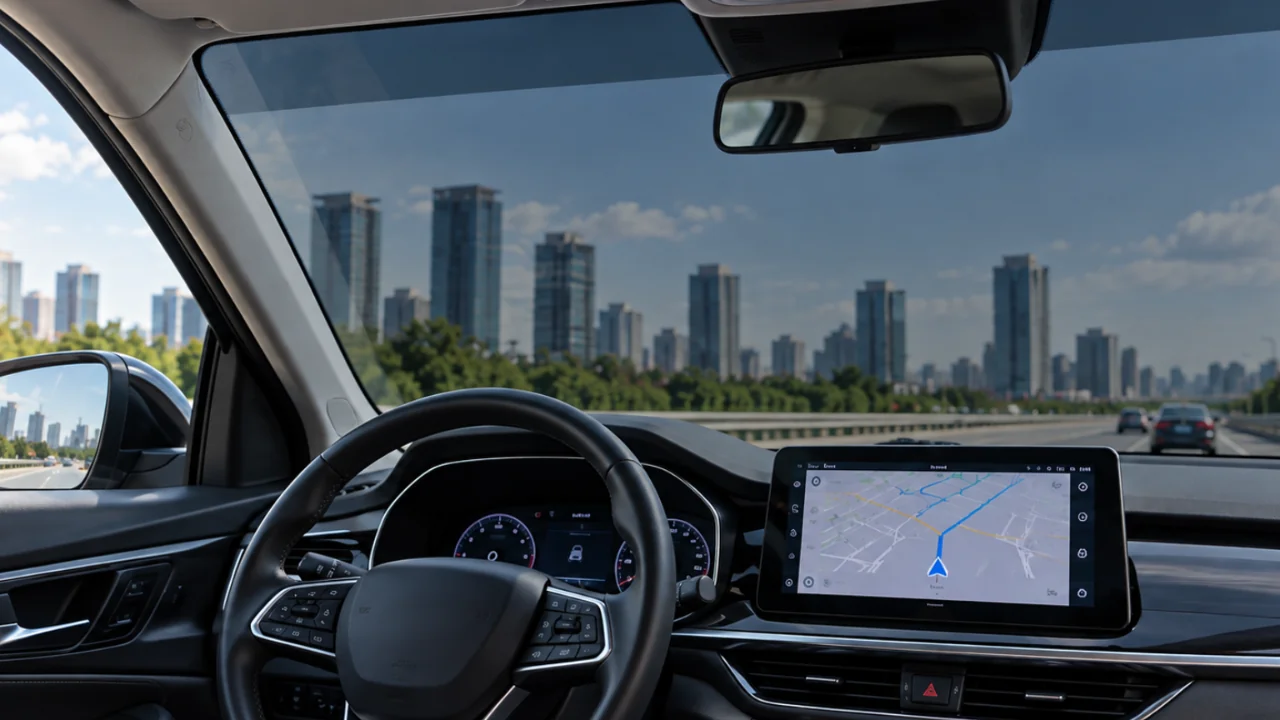
These films also minimize glare from sunlight, headlights, and reflective surfaces, thus improving visibility and reducing eye fatigue.
Enhance Vehicle Appearance:
Window films also provide a uniform, sleek finish that enhances the overall aesthetic appeal of the vehicle.
Types of Automotive Window Tint Films
There are several types of automotive window films, each of which comes with unique features. Let’s take a look at some of them:
High-Performance Charcoal Films (Metallized Technology)
These professional-grade films use advanced metallized layers to reflect solar energy effectively. They are designed for high heat rejection and long-term durability, maintaining color stability without fading or discoloration.
Available in multiple Visible Light Transmission (VLT) levels, they allow drivers to balance privacy, aesthetics, and regulatory compliance.
Nano-Ceramic Window Films
These films incorporate microscopic ceramic particles that provide solar heat rejection without using metal. This ensures that there is no interference with GPS, mobile, or radio signals. Nano-ceramic window films are known to deliver clarity, long-term durability, and consistent performance. Advanced variants include:
- QDP Ceramic Films: Reject up to 70% of infrared heat for noticeable cooling.
- IR Extreme Films: Block up to 90% infrared heat, significantly improving thermal comfort.
- IR Extreme Plus Films: This infrared heat-blocking window film provides up to 96% IR heat rejection for maximum performance.
Ice Cool Grey Films (NIR Blocking Technology)
This vehicle window tinting solution features nano-particle construction designed to block near-infrared heat, while maintaining a natural, non-reflective look. They provide a long-lasting cooling performance, high visibility, and low interior reflectivity for improved driving comfort.
Non-Reflective Quick Dry Films
These films use a fast-curing adhesive technology that allows for quicker installation and reduced downtime. They are especially suitable for modern vehicles that have embedded antennas and sensitive electronic systems, offering clear visibility with a refined, non-reflective finish.
Windshield Protection Finishes
Ultra-clear polyurethane window films are a high-performance window tint that protects against scratches, chips, and minor cracks caused by road debris. They feature self-healing surfaces and hydrophobic coatings that improve water runoff, enhance visibility during rain, and simplify cleaning.
Key Benefits of Automotive Window Tinting
There are several automotive window tint benefits. Let’s have a look at them:
Superior Heat & Infrared Rejection
Solar control window film for cars significantly reduces sun heat gain by blocking infrared and near-infrared radiation. This helps in maintaining a cooler cabin environment, reducing reliance on the AC, and contributes to improved energy-efficiency.
99% UV Protection & Interior Preservation
UV protection window film for cars blocks up to 99% of harmful ultraviolet rays. They protect the occupants from prolonged exposure to the sun while preventing fading, cracking, and deterioration of interior materials such as leather, plastics, and fabrics.
Safety & Anti-Shatter Protection Benefits
Automotive window films also reinforce glass strength by holding shattered fragments together during accidents or impacts. They also increase resistance to forced entry, helping deter smash-and-grab theft attempts.
Improved Driving Comfort & Reduced Eye Strain
By reducing glare caused by sunlight and reflective surfaces, vehicle window tinting solutions improve visual clarity and reduce eye strain, resulting in a more comfortable driving experience.
Cost-Effective, Long-Term Protection
High-performance window tints are durable and long-lasting. They help preserve interior components and maintain vehicle resale value. So, they provide multiple benefits at a fraction of the cost of replacing damaged interiors or glass.
Long-Term Value & Resale Protection
A non-metallic and ceramic film ensures a smooth connection with GPS, mobile networks, and onboard electronic systems. This automotive window tint benefit makes them ideal for modern vehicles.
Common Uses of Automotive Window Films
Automotive window films have several uses, such as:
Thermal Control for Hot Climates
They are heat rejection window films that help maintain cooler cabin temperatures when vehicles are parked or driven under direct sunlight.
Privacy & Security Enhancement
Window films also reduce visibility, thus protecting passengers and valuables that are inside the vehicle.
Vehicle Styling & Custom Tint Shades
High-performance window tints also often enhance the vehicle’s visual appeal with different kinds of tint shades and finishes.
Glass Strengthening & Accident Safety
These films also strengthen the window’s glass integrity, thus reducing the risk of dangerous shattering and injuries in case of accidents.
Are Automotive Window Films Worth It? Final Verdict
Automotive window films provide a comprehensive solution for improving comfort, safety, and vehicle aesthetics. They are an effective car window film for heat reduction, blocking UV radiation, minimizing glare, and protecting interiors from long-term damage.
Premium, high-quality ceramic films from brands like Global Hi-Tech Films deliver optimal performance, while metallized and hybrid films provide a mix of efficiency and affordability. Basic dyed films provide cost-effective privacy and appearance enhancement. Choosing the right automotive window film not only enhances daily driving comfort but also protects your vehicle’s interior, improving safety and supporting long-term value preservation.
Don’t wait; request expert consultation with the tinters at Global Hi-Tech Films, and book a professional installation assessment today!
FAQs on Automotive Window Films
- What are automotive window films?
Automotive window films are multi-layer polyester films that are applied to vehicle glass to control heat, UV radiation, glare, and privacy. - Do window films reduce heat inside a car?
Yes. Window films help lower heat significantly by blocking infrared and solar energy. - How much UV protection do automotive window films provide?
Premium films can block upto 99% of harmful UV rays. - What are the different types of automotive window films?
Common types of automotive window films include dyed, metallized, ceramic, hybrid, and infrared films. - Will window tint affect GPS, mobile, or radio signals?
Non-metallic and ceramic films do not interfere with radio or electronic signals and ensure a seamless connection to GPS and mobile networks. - Do automotive window films improve safety?
Yes. The films help hold shattered glass together and also increase the resistance to breakage. - How long do automotive window films last?
High-quality films typically last between 15+ years, with proper installation and maintenance. - Can automotive window films improve driving visibility?
Yes. Automotive window films help reduce glare and enhance visual clarity, thus improving overall driving comfort.

 English
 German
 Spanish
 French
 Arabic
 Chinese
 Turkish
 Russian