





Architectural Window Films: Complete Guide to Benefits, Types & Applications
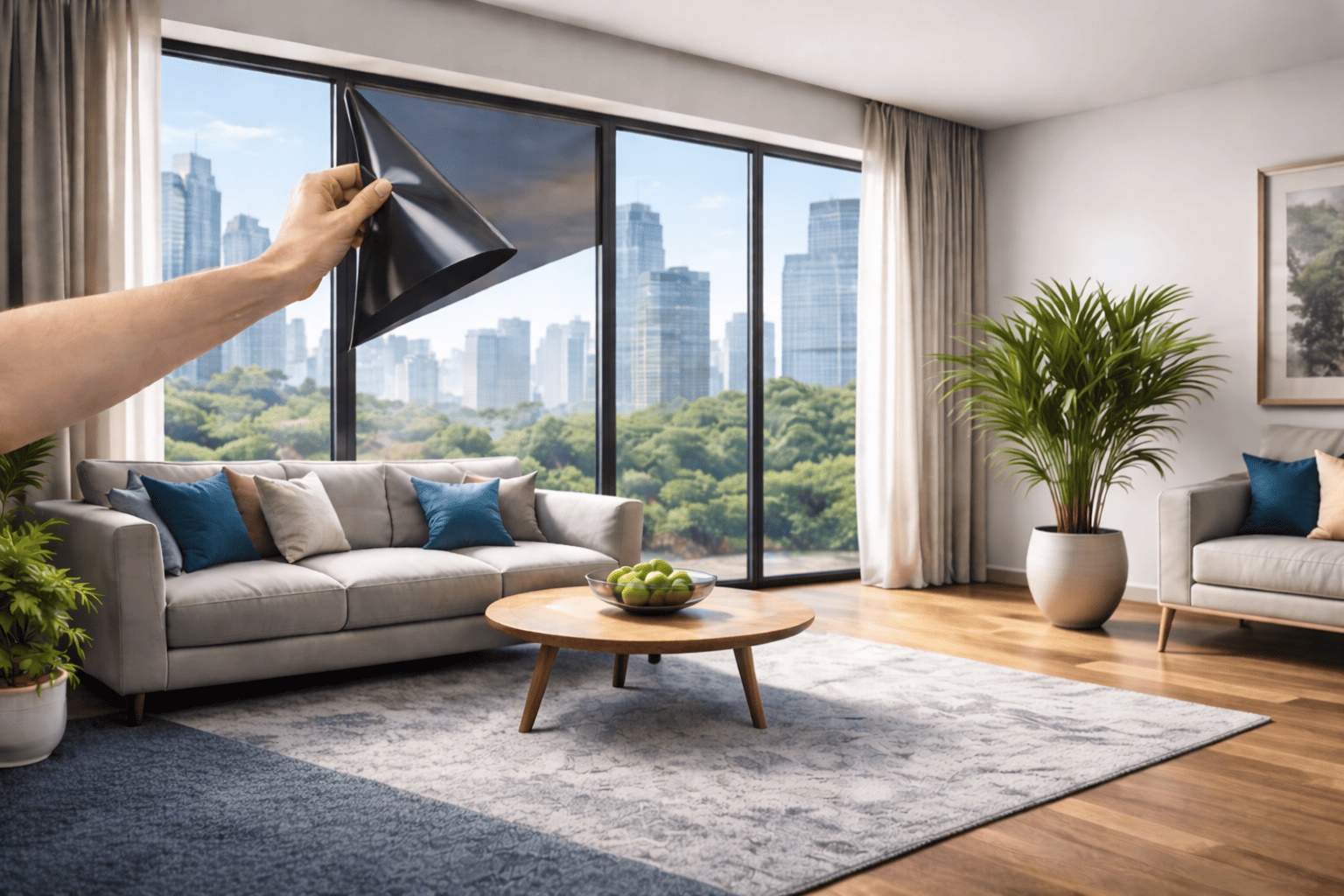
Architectural window films are advanced, thin laminate coatings that are applied directly to existing glass surfaces and help enhance performance without the need for costly window replacement. Designed for modern residential and commercial buildings, these films significantly improve the energy efficiency, safety, comfort, and visual appeal.
There are many window film benefits; they allow property owners to upgrade glass functionality quickly, in a cost-effective manner. They help regulate indoor temperatures, reduce glare, block harmful UV radiation, and add privacy, all while maintaining natural daylight and the building’s original design.
In this blog, we will learn more about what is an architectural window film, exploring its applications, types, and more.
What Are Architectural Window Films? Definition, Features & How They Work
Architectural window films are multi-layered laminates made from polyester, engineered to adhere to glass surfaces using pressure-sensitive adhesives. These films are specifically developed for large glass areas that are commonly found in offices, malls, homes, and institutional buildings.
Unlike automotive films, architectural glass film solutions are designed for long-term building performance, offering benefits such as solar heat rejection, UV protection, glare reduction, safety reinforcement, and enhanced privacy. They work by controlling how solar energy interacts with the glass - by reflecting, absorbing, or filtering sunlight to improve indoor environmental quality.
Benefits of Architectural Window Films for Homes & Commercial Buildings
Here is a list of some of the benefits of architectural window films for buildings:
Superior Energy Efficiency and Cooling Performance
Architectural films can reduce solar heat gain significantly by reflecting and absorbing infrared radiation. This helps keep interiors cooler, especially in spaces exposed to the sun. Further, by reducing heat infiltration, they lower the workload on air-conditioning systems, resulting in reduced electricity consumption and long-term energy savings. Buildings can achieve noticeable improvements in thermal comfort without increasing operational costs.
UV and Infrared Radiation Protection
High-quality building window films can block up to 99% harmful ultraviolet rays, which are responsible for fading and material deterioration. This protection helps preserve furniture, carpets, curtains, artwork, and other interior finishes, thus extending their lifespan while also protecting occupants from prolonged UV exposure.
Glare Reduction and Visual Comfort
Architectural window films also reduce excessive brightness and sunlight glare, thus creating a more comfortable indoor environment. This is especially beneficial in offices where glare on computer screens can affect productivity and in residential settings where harsh sunlight can cause visual strain.
Enhanced Safety and Glass Protection
Safety and security window films for glass protection reinforce glass strength by holding shattered fragments together in the event of impact or breakage. This reduces the risk of injuries caused by flying glass shards and provides additional protection during accidents, storms, or structural stress.
Privacy and Daytime Security
Certain window films also offer one-way visibility, allowing occupants to see outside while preventing outsiders from viewing interiors during daylight. This improves privacy in offices and homes while also discouraging unauthorised observation or intrusion attempts.
Aesthetic Enhancement and Design Flexibility
Decorative window films for buildings are available in a wide range of finishes, including tinted, frosted, reflective, and decorative patterns. They can enhance a building’s exterior appearance, complement the interior design themes, and even support branding through customized visuals.
Long-Lasting Durability and Color Stability
Another window film benefit is that they are engineered to resist fading, bubbling, and discoloration. With professional installation, they can deliver consistent performance for over a decade, requiring minimal maintenance and delivering clarity as well as effectiveness.
Types of Architectural Window Films: Sun Control, Safety, Privacy & Decorative
There are many different types of window films, each of which offers different advantages:
Sun Control Films
Sun control window films are designed to reduce solar heat gain while maintaining natural daylight. They improve indoor comfort by regulating temperature fluctuations and are widely used in offices, commercial buildings, and residential homes where energy efficiency is a priority.
Safety and Security Films
Safety and security window films strengthen glass surfaces, thus minimizing the risk of shattering during impact. They are commonly installed in high-traffic areas, schools, banks, and public buildings to enhance occupant safety and deter forced entry or vandalism.
Privacy Films
Privacy films also provide effective daytime privacy while allowing for natural light transmission. They are ideal for meeting rooms, healthcare facilities, bathrooms, and residential window films, where visibility control is essential without compromising on brightness.
Decorative Films
Decorative window films allow for aesthetic customization through frosted, textured, patterned, or gradient finishes. They are used in office partitions, retail interiors, and glass interiors, and can also serve functional purposes such as writable surfaces or temporary branding.
Specialty Films
- Sputtered and Reflective Films: Often considered the best window films for heat reduction, they use advanced metallic coatings to provide high levels of heat rejection and glare control while enhancing exterior reflectivity.
- Spectrally Selective Films: Designed to block heat and UV rays while allowing for maximum visible light, making them ideal for spaces that require clear daylight and minimal color distortion.
- Dual-Reflective Films: These decorative window films for privacy and design provide outward reflectivity during the daytime, while maintaining clear interior views.
- Ice Cool and High-Performance Films: Advanced films engineered for superior solar control, offering exceptional clarity and thermal performance in extreme climates.
Applications of Architectural Window Films in Commercial & Residential Spaces
There are also many different window film applications, such as:
Commercial Offices
Commercial window film solutions help by reducing glare, enhancing employee comfort, improving energy efficiency, and providing privacy in meeting rooms and workspaces.
Retail Storefronts
They protect merchandise from UV fading, improve the visual display clarity, and add an extra layer of security to protect from vandalism.
Residential Homes
Homeowners can benefit from residential window films, as it provides improved comfort in sun-facing rooms, reduced cooling costs, and enhanced privacy without sacrificing natural light.
Healthcare and Educational Facilities
Safety and security window films for glass protection help reduce risks in high-impact areas, while privacy films ensure confidentiality in medical and institutional environments.
Museum and Galleries
UV protection window film for interiors protects sensitive artwork, artifacts, and historical displays from light damage and helps maintain clear visibility.
Architectural Window Film Installation & Maintenance Guide
Architectural window films follow a simple installation process and are easy to maintain.
Application Process
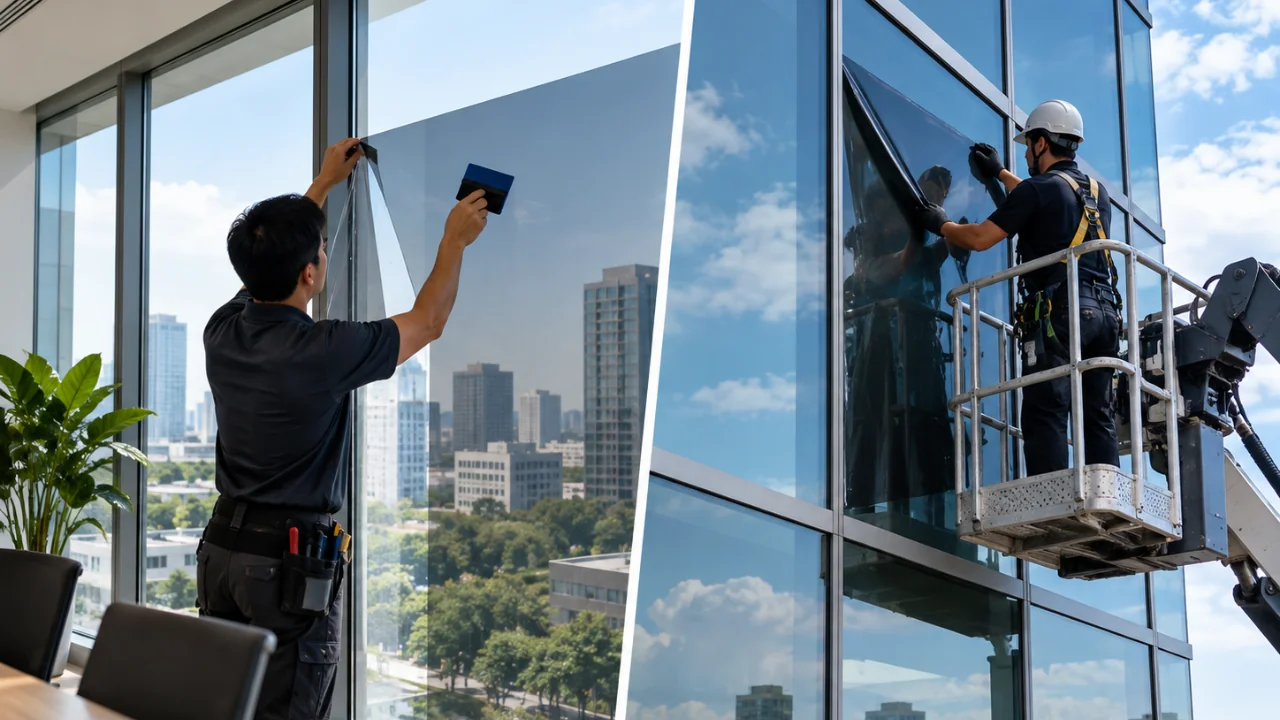
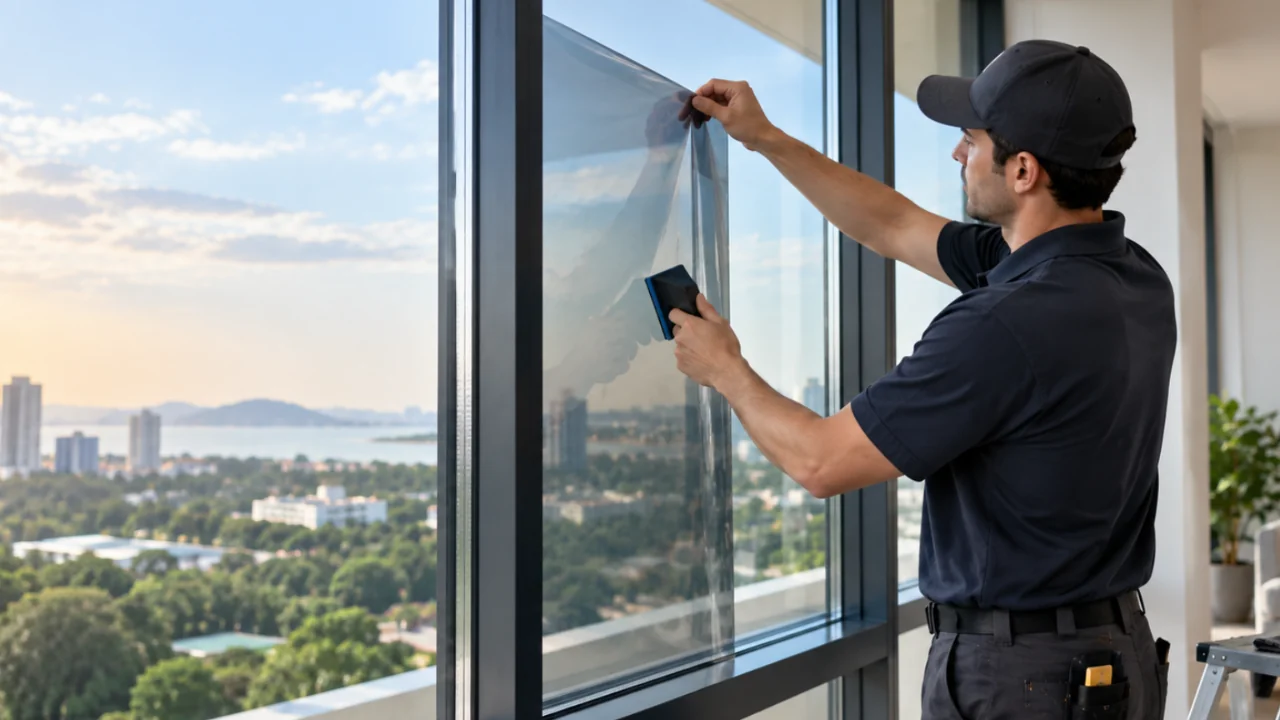
Architectural films can be installed on interior or exterior surfaces using a pressure-sensitive adhesive technology. If you choose professional installation with Global Hi-Tech Films, it will ensure proper alignment, bubble-free application, and long-term performance.
Durability and Lifespan
High-quality architectural films, like those by Global Hi-Tech Films, usually last for 10+ years, depending on the environmental conditions and film type.
Cleaning and Care
Architectural window films’ maintenance usually involves using non-ammonia cleaning solutions and soft cloths to preserve their film clarity and performance.
Are Architectural Window Films Worth It?
Yes. Architectural window films offer a strong return on investment through multiple long-term benefits, such as:
- Reduced energy consumption and cooling costs.
- Improved indoor comfort and glare control.
- Enhanced safety and glass durability.
- Increased privacy and security.
- Aesthetic upgrades without structural changes.
- Sustainable building performance improvements.
Final Verdict: Should You Install Architectural Window Films?
Architectural window films are a practical, cost-effective solution for those looking to upgrade glass performance in modern buildings. By enhancing energy efficiency, improving safety, increasing comfort, and adding design flexibility, they deliver both functional and aesthetic benefits.
These films also offer long-term investment benefits, helping property owners achieve sustainability goals, reduce operational costs, and improve overall indoor environmental quality.
FAQs on Architectural Window Films
- What are architectural window films?
Architectural window films are thin laminate coatings applied to glass surfaces to improve energy efficiency, safety, privacy, and comfort. - Do architectural window films reduce heat inside buildings?
Yes. They significantly reduce solar heat gain by blocking infrared radiation. - How much UV protection do window films provide?
Most high-quality films block up to 99% of harmful UV rays, protecting interiors from fading and damage. - Are architectural window films suitable for residential homes?
Yes, residential window films are widely used in homes to improve comfort, reduce energy costs, and enhance privacy. - How long do architectural window films last?
Architectural window films usually last for 10+ years, with proper installation and maintenance. - Do window films make rooms darker?
Not necessarily - many films are designed to maintain natural light while reducing glare and heat. - Can architectural window films improve safety and security?
Yes. Safety window films strengthen glass surfaces and minimize the risk of it shattering during impact, reducing the risk of injury. - Where are architectural window films commonly used?
They are commonly used in offices, homes, and retail stores, hospitals, educational institutions and museums.


 English
 German
 Spanish
 French
 Arabic
 Chinese
 Turkish
 Russian