





What Is Quick-Dry Window Film for Cars? Features and Benefits
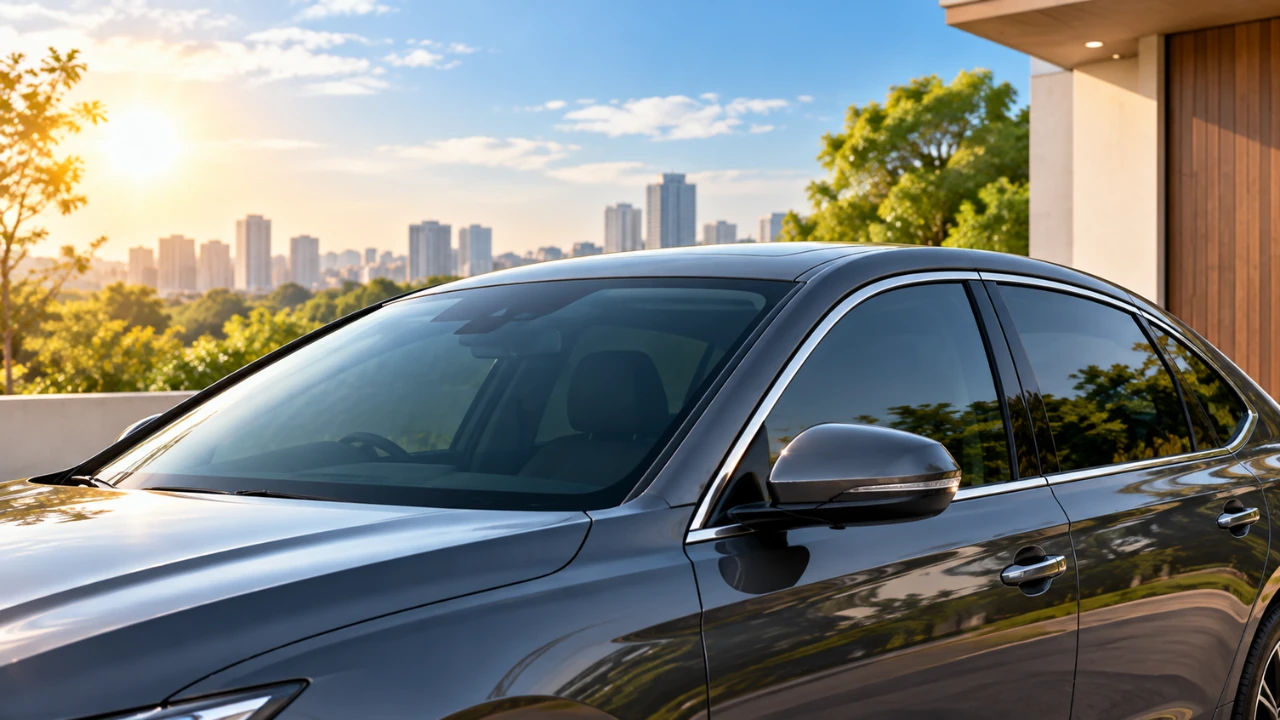
Upgrading your vehicle with window tint is a popular choice for enhancing privacy, reducing glare, and improving interior comfort. However, after installation, automotive window films require time to cure before the windows can be rolled down or the glass cleaned. Quick-dry window film for cars is designed to reduce this waiting period, offering greater convenience to vehicle owners.
Quick-dry automotive window film is designed to facilitate faster moisture dissipation after installation. The actual curing time depends on the film's construction, adhesive system, installation conditions, and manufacturer recommendations.
This guide explains what quick-dry window film is, how it works, how it compares with conventional car tint, and the factors to consider when choosing and maintaining it.
What Is Quick-Dry Window Film for Cars?
During automotive window film installation, a slip solution, typically consisting of water and a small amount of suitable application solution, helps the installer position the film accurately on the glass. Some moisture remains between the film and the window after installation and gradually dissipates as the film cures.
Quick-dry window films are designed to reduce the time required for this moisture to dissipate. Their drying characteristics depend on the adhesive system, film construction, and installation conditions. This can help reduce the waiting period associated with newly installed window tint.
Manufacturers offer different variations of quick-dry automotive window film. For example, Global Hi-Tech Films offers the Non-Reflective Quick Dry range and Quick Dry Plus. When comparing these options, review the product specifications and installation guidance to understand their construction, appearance, and performance characteristics.
How Does Quick-Dry Car Window Tint Work?
Understanding the installation process helps explain how quick-dry window tint works.
During installation, the installer applies a suitable solution to the glass to position the film correctly. Once the film is in place, the remaining moisture gradually evaporates through the film and its edges as the adhesive cures.
The time required for this process varies according to the film type, adhesive characteristics, temperature, humidity, and other environmental conditions. During the initial curing period, the glass may appear slightly hazy or show small moisture pockets. These effects can gradually disappear as the film dries.
Quick-dry automotive window film is designed to shorten the moisture-dissipation period compared with some conventional films. However, faster drying does not eliminate the need for proper installation or aftercare. Following the manufacturer's recommendations helps the film bond correctly and maintain its intended appearance.
Quick-Dry Window Film vs Regular Car Tint
Quick-dry window film and conventional car tint can differ in their drying characteristics. However, the exact differences depend on the products being compared.
Feature | Quick-Dry Window Film | Conventional Car Tint |
| Curing time | Designed to reduce the waiting period, depending on the product and conditions | Varies by film type and installation conditions |
| Moisture dissipation | Designed to facilitate faster moisture dissipation | Moisture dissipates gradually as the film cures |
| Initial appearance | Temporary haziness may occur during curing | Temporary haziness may occur during curing |
| Aftercare | Requires product-specific installation and aftercare guidance | Requires product-specific installation and aftercare guidance |
| Finish options | Available in selected finishes, including non-reflective options | Available in different finishes depending on the product range |
| Heat and UV rejection | Depends on the film's technical specifications | Depends on the film's technical specifications |
When comparing automotive window films, consider more than curing time. Factors such as visible light transmission, solar heat rejection, ultraviolet (UV) protection, glare reduction, optical clarity, and durability can also influence your choice.
What Are the Benefits of Quick-Dry Automotive Window Film?
Quick-dry automotive window film offers several potential advantages for vehicle owners and professional installers.
1. Reduced Waiting Time After Installation
The primary advantage is the potential for a shorter curing period. Depending on the product and installation conditions, quick-dry film may allow vehicle owners to resume certain normal activities sooner. Always follow the installer's instructions before rolling down the windows or cleaning the glass.
2. Greater Convenience for Vehicle Owners
A shorter drying period can make the installation process more convenient, particularly for people who use their vehicles daily. Understanding the recommended waiting period helps owners plan around installation and initial aftercare.
3. Faster Improvement in Appearance
Temporary haziness can occur when moisture remains between the film and the glass. A film designed for faster moisture dissipation may help the glass achieve its intended appearance sooner, although the actual result depends on the film and installation conditions.
4. Choice of Non-Reflective Finishes
Non-reflective automotive window films offer an alternative to highly reflective finishes. They can provide a more understated appearance while allowing vehicle owners to choose a tint suited to their preferences and the film's available specifications.
5. Access to Essential Window Film Performance Features
Quick-dry characteristics and solar-control performance are separate considerations. Depending on the selected product, automotive window film may offer benefits such as UV rejection, solar heat reduction, and glare control. Check the manufacturer's technical specifications to understand the performance of each film.
How Long Does Quick-Dry Car Tint Take to Cure?
The curing time for quick-dry car tint varies by product and installation conditions. Although some films are designed to dry faster than conventional alternatives, there is no single timeframe that applies to every automotive window film.
Several factors influence how long the film takes to cure:
- Temperature and Humidity: Environmental conditions affect moisture evaporation. Cooler temperatures and high humidity can extend the curing period.
- Film Construction: Film thickness, layers, and material characteristics can influence how quickly moisture dissipates.
- Installation Quality: Correct application and the appropriate use of installation solutions help the film adhere properly to the glass.
- Product Specifications: Different adhesive systems and film designs may have different curing requirements.
The installer should provide an estimated curing period based on the specific film and prevailing conditions. Avoid relying on a universal two-to-five-day timeframe unless it is confirmed by the product's technical documentation.
How to Care for Newly Installed Car Window Tint
Proper aftercare helps protect automotive window film while it cures. Follow these recommendations alongside the instructions provided by the installer and manufacturer.
1. Keep the Windows Rolled Up
Avoid rolling down the windows for the period specified by the installer. The film needs sufficient time to establish a secure bond with the glass, and moving the windows too early may disturb the film or its edges.
2. Avoid Cleaning the Interior Glass Too Soon
Wait until the recommended curing period has passed before cleaning the inside of the tinted windows. When cleaning is permitted, use a soft microfiber cloth and a cleaner approved for automotive window film.
3. Use Suitable Cleaning Products
Avoid abrasive materials and harsh cleaning products that could damage the film. Check the manufacturer's guidance before using ammonia-based cleaners or any other chemical cleaner.
4. Follow Guidance for Rear Window Defrosters
Ask the installer whether any temporary precautions are required for the rear window defroster. Follow the product-specific recommendations rather than assuming that every film requires the same restriction.
5. Monitor the Film During Curing
Minor haziness or small moisture pockets may appear during the initial curing period. These can gradually disappear as the film dries. If significant bubbles, persistent moisture pockets, or lifting edges remain beyond the expected curing period, contact the installer for an assessment.
Choosing Quick-Dry Window Film for Your Car
Quick-dry window film can be a practical option for vehicle owners who want to reduce the waiting period associated with automotive window tinting. Its main distinction is its intended drying behaviour, while other characteristics depend on the specific film selected.
Before choosing a product, compare its technical specifications, finish, visible light transmission, solar heat rejection, UV protection, and installation requirements. Also, confirm the expected curing time and aftercare instructions with the installer.
Global Hi-Tech Films offers options such as its Non-Reflective Quick Dry range and Quick Dry Plus. Reviewing the specifications of each product can help you determine which option suits your vehicle and requirements. Professional installation and appropriate aftercare remain important for achieving the intended finish and performance.
Frequently Asked Questions About Quick-Dry Car Window Film
- What is quick-dry window film for cars?
Quick-dry window film for cars is automotive window tint designed to reduce the time required for installation moisture to dissipate. Its actual drying and curing time depends on the film's construction, adhesive system, installation conditions, and manufacturer recommendations. - How long does quick-dry car tint take to cure?
The curing time varies by product, temperature, humidity, and installation conditions. Some quick-dry films are designed to cure faster than conventional alternatives. Consult the manufacturer or installer for the expected curing period for your specific film. - Does quick-dry window film provide heat rejection and UV protection?
Quick-dry technology primarily relates to the film's drying characteristics. Heat rejection and UV protection depend on the specific product and its technical specifications. Check the manufacturer's performance data before choosing a film. - Can I choose a non-reflective finish with quick-dry film?
Yes, non-reflective quick-dry window film options are available. Global Hi-Tech Films offers a Non-Reflective Quick Dry range. Check the product specifications to confirm the available finishes and performance characteristics. - Can I roll down my windows immediately after quick-dry tint installation?
Not necessarily. Even quick-dry films require time to settle and cure. Follow the installer's instructions regarding when it is safe to roll down the windows. - How should I clean my car windows after tint installation?
Wait until the installer confirms that cleaning can begin. Use a soft microfiber cloth and a cleaner approved for automotive window film. Avoid abrasive materials and products that may damage the film. - Does quick-dry window film eliminate installation haze?
No. Temporary haziness or small moisture pockets can still occur during curing. These may gradually disappear as the moisture dissipates. Persistent bubbles, lifting edges, or significant defects should be assessed by the installer.

 English
 German
 Spanish
 French
 Arabic
 Chinese
 Turkish
 Russian