



PPF or Ceramic Coating First? A Guide Based on Your Driving Habits
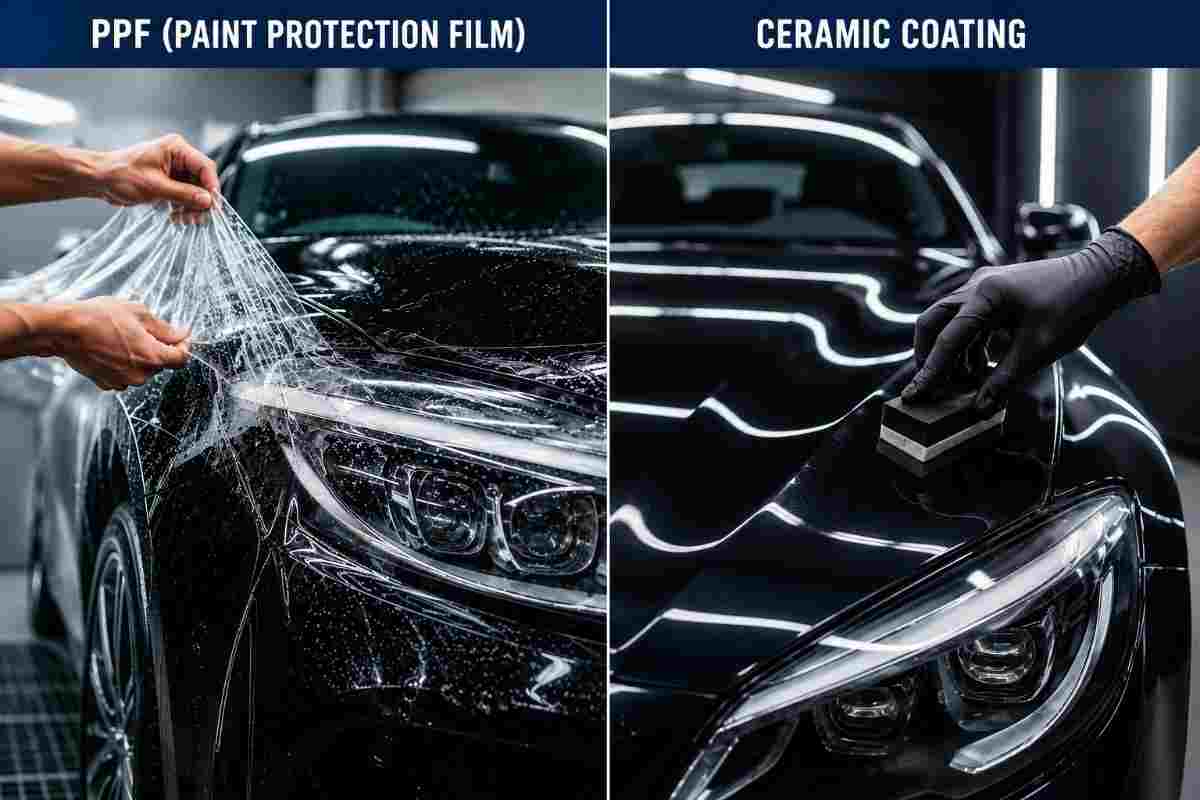
PPF and ceramic coating protect your car in different ways, so the right choice depends on how you drive. When it comes to choosing PPF or ceramic coating first, start by analyzing the type of protection your car needs most. Paint protection film helps guard against chips, scratches, and road debris. Ceramic coating is mainly useful for keeping the paint cleaner and making washing easier.
Using both? The order matters. PPF first or ceramic first comes down to one simple rule: PPF goes on prepared paint, followed by ceramic coating.
Let us look at the difference through actual driving conditions, parking habits, vehicle use, and protection priorities.
Why Should PPF Be Applied Before Ceramic Coating?
PPF needs a clean, prepared paint surface to stick properly. Applying ceramic coating first can make the surface too slick, which may affect how well the film adheres.
The order is paint correction, PPF, then ceramic coating. Ceramic coating over paint protection film can add gloss and make the surface easier to clean, while the PPF helps protect against impacts.
This order is especially important when installing car paint protection film on high-risk areas.
PPF vs Ceramic Coating: What’s the Difference?
The clearest way to understand Paint protection film vs ceramic coating is to separate physical protection from surface protection. This comparison involves two different technologies serving different purposes.
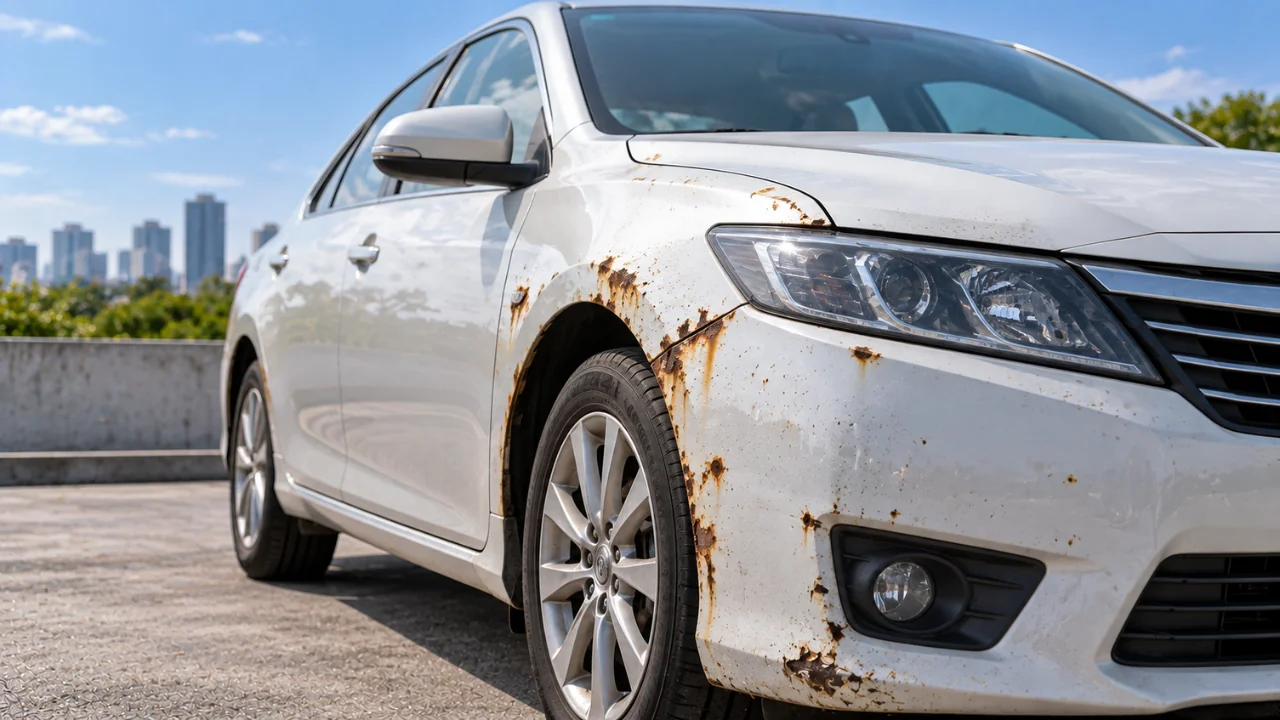
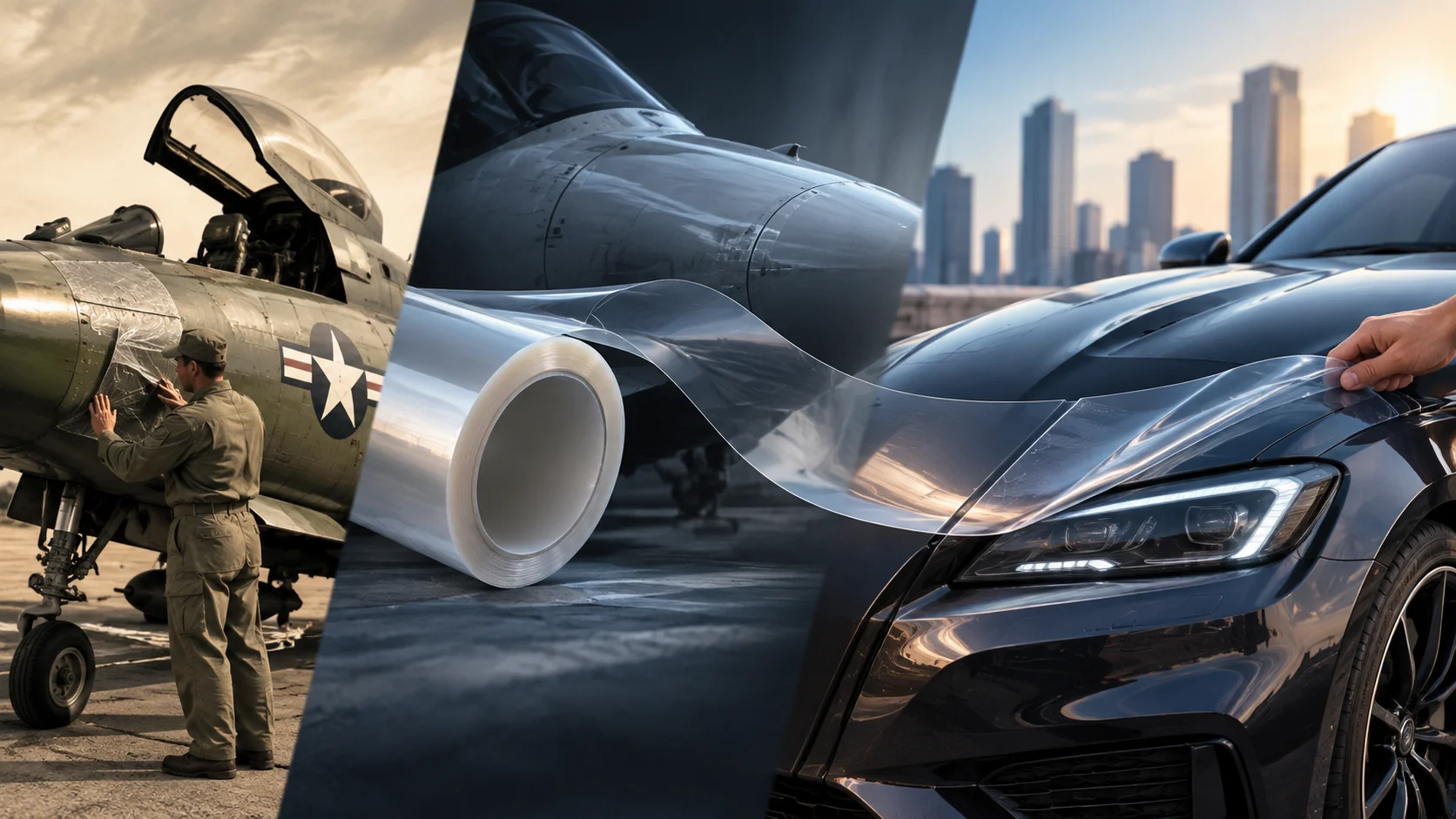
PPF is a transparent physical film that helps absorb and resist damage from rock chips, minor scratches, and flying debris. It is particularly useful around high-impact areas such as the front bumper, hood, fenders, and side mirrors.
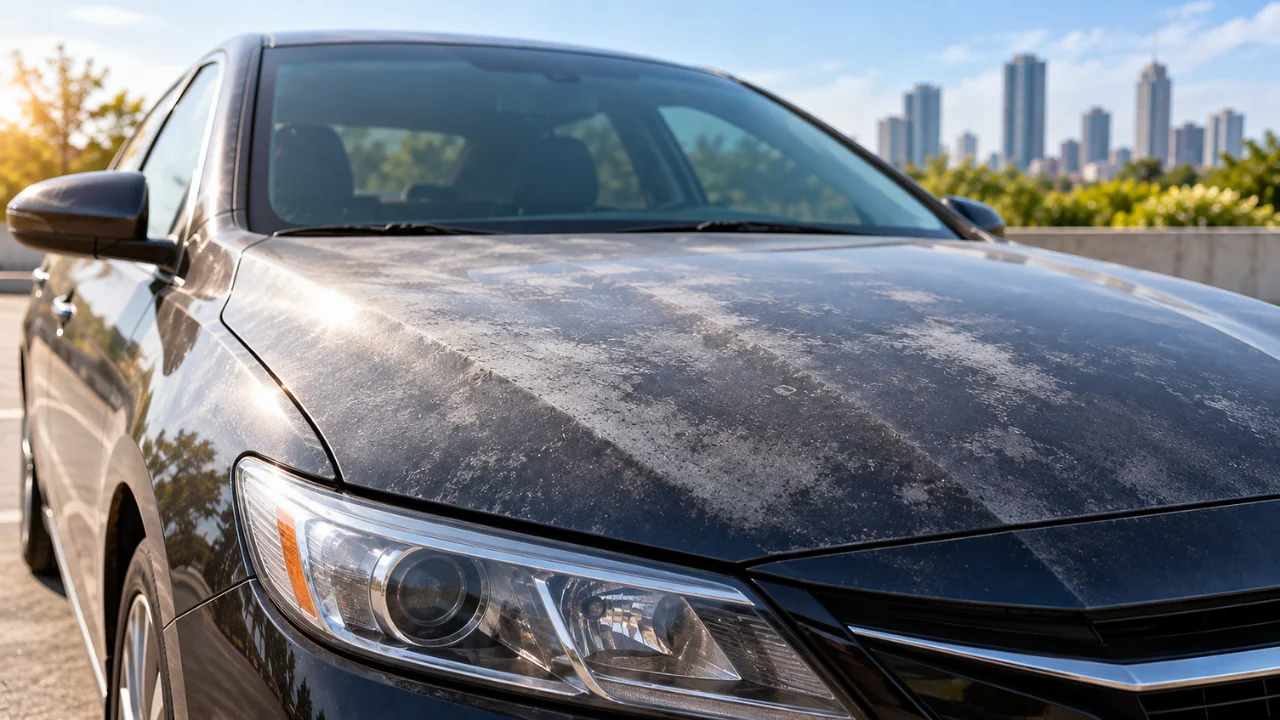
Ceramic coating for cars, in contrast, is a liquid-applied protective layer. Its main strengths include water repellency, easier cleaning, UV protection, and improved gloss protection. It can make contamination such as sap and bird droppings easier to remove, yet it should not be treated as a stone-chip shield.
PPF or Ceramic Coating: Which Is Right for Your Driving Habits?
How and where you drive can help you decide what level of car paint protection makes sense. Here is a quick look at common driving habits and the protection that may suit them best.
Driving Habit | Best Choice | Why |
| Daily highway driving | PPF priority | Helps protect against rock chips and debris |
| City commuting | Partial PPF or ceramic | Depends on parking and exposure |
| Outdoor parking | Ceramic coating priority | Helps with UV, dirt, sap, and bird droppings |
| Gravel or off-road driving | PPF priority | Helps protect against impact and scratches |
| Track driving | Full PPF + ceramic | Adds impact protection and easier cleaning |
| Luxury or new car ownership | PPF + ceramic | Protects paint and improves finish |
A car used mainly in the city has different needs from one used for highway or off-road driving. The budget and the value of the vehicle matter too.
When Should You Choose PPF for Your Car?
When frequent high-speed travel, for example, highway driving, exposes the front of the vehicle to stones and debris, PPF makes sense . As long commutes, following trucks, construction zones, and gravel roads all increase the potential for paint damage.
PPF is also a strong choice for new cars, luxury vehicles, performance cars, and cars used for regular track driving. Prioritize the front bumper, hood, fenders, side mirrors, rocker panels, and door edges according to exposure.
For drivers who regularly face physical impact, PPF offers protection that a coating cannot provide.
When Is Ceramic Coating Enough for Your Car?
When the car sees little impact, ceramic coating works well, especially for daily drivers. It can suit garage-kept cars, regular city use, and owners who want the paint to stay clean with less upkeep.
The coating helps surfaces shed water and contamination while adding slickness and shine. It can also help reduce exposure to sunlight, rain, dirt, bird droppings, and tree sap.
Ceramic coating remains a maintenance-focused layer rather than a solution for rock chips. Drivers who rarely encounter high-speed debris may not need extensive PPF.
When Should You Choose PPF and Ceramic Coating Together?
Choosing PPF and ceramic coating together provides complementary protection. PPF takes the primary role against chips, scratches, and impact, while ceramic coating helps keep the film and exposed paint cleaner and more hydrophobic.
This combination works particularly well for luxury cars, sports cars, EVs, highway vehicles, and cars intended for long-term ownership. Ceramic coating over PPF can also enhance the finished appearance.
Global Hi-Tech Films offers both, giving car owners the option to pair PPF with ceramic coating in one protection plan.
The right order is simple: prep the paint, install PPF, and finish with ceramic coating.
Common PPF and Ceramic Coating Mistakes to Avoid
Several decisions can undermine an otherwise effective protection plan:
- Applying ceramic coating before PPF.
- Expecting ceramic coating to stop rock chips.
- Installing PPF after visible paint damage.
- Choosing a film based only on price.
- Ignoring high-impact areas.
- Skipping paint correction.
- Failing to check ceramic compatibility with PPF.
- Assuming every car needs full-body PPF.
Preparation and product compatibility are important too.
Finding the Right Protection for Your Car
The PPF vs ceramic coating choice comes down to what your car needs. PPF is better for impact protection, while ceramic coating helps with gloss, water, and easier cleaning. If you use both, PPF or ceramic coating first has a clear answer: PPF goes on first, followed by ceramic coating.
The best car paint protection depends on highway driving, city parking, off-road use, budget, and vehicle value. The right setup is the one that fits how the car is actually used.
FAQs
- Should PPF or ceramic coating be applied first?
PPF should go on first, followed by ceramic coating. This helps the film bond properly to the paint. - Can ceramic coating be applied over PPF?
Yes. A compatible ceramic coating can be applied over PPF to add gloss and make the surface easier to clean. - Is PPF better than ceramic coating for rock chips?
Yes. PPF is made to handle physical impacts such as rock chips, while ceramic coating is not. - Is ceramic coating enough for a daily driver?
It can be, especially if the car sees mostly city driving and little exposure to road debris or impacts. - Do highway drivers need PPF?
PPF is a good choice for frequent highway driving, where the car is more likely to encounter stones and road debris. - Which areas of a car need PPF the most?
The front bumper, hood, fenders, and side mirrors usually face the most impact from road debris. - Is PPF and ceramic coating together worth it?
For many owners, yes. PPF handles impact protection, while ceramic coating makes the surface easier to maintain. - Does ceramic coating protect against scratches?
It can offer some surface protection against minor marks, but it should not be relied on to prevent deeper scratches or chips.

 English
 German
 Spanish
 French
 Arabic
 Chinese
 Turkish
 Russian