

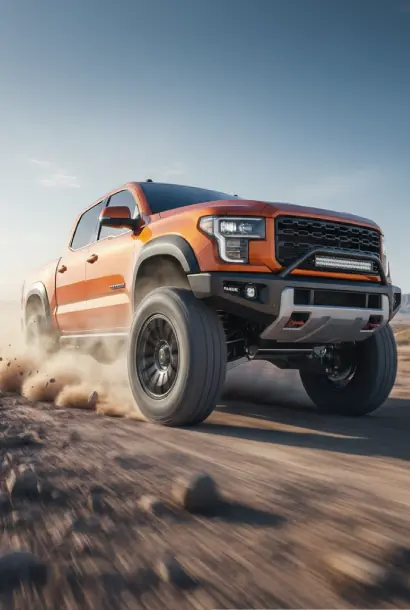




How Can PPF Help a Two-Year-Old Car Retain Its Like-New Appearance?
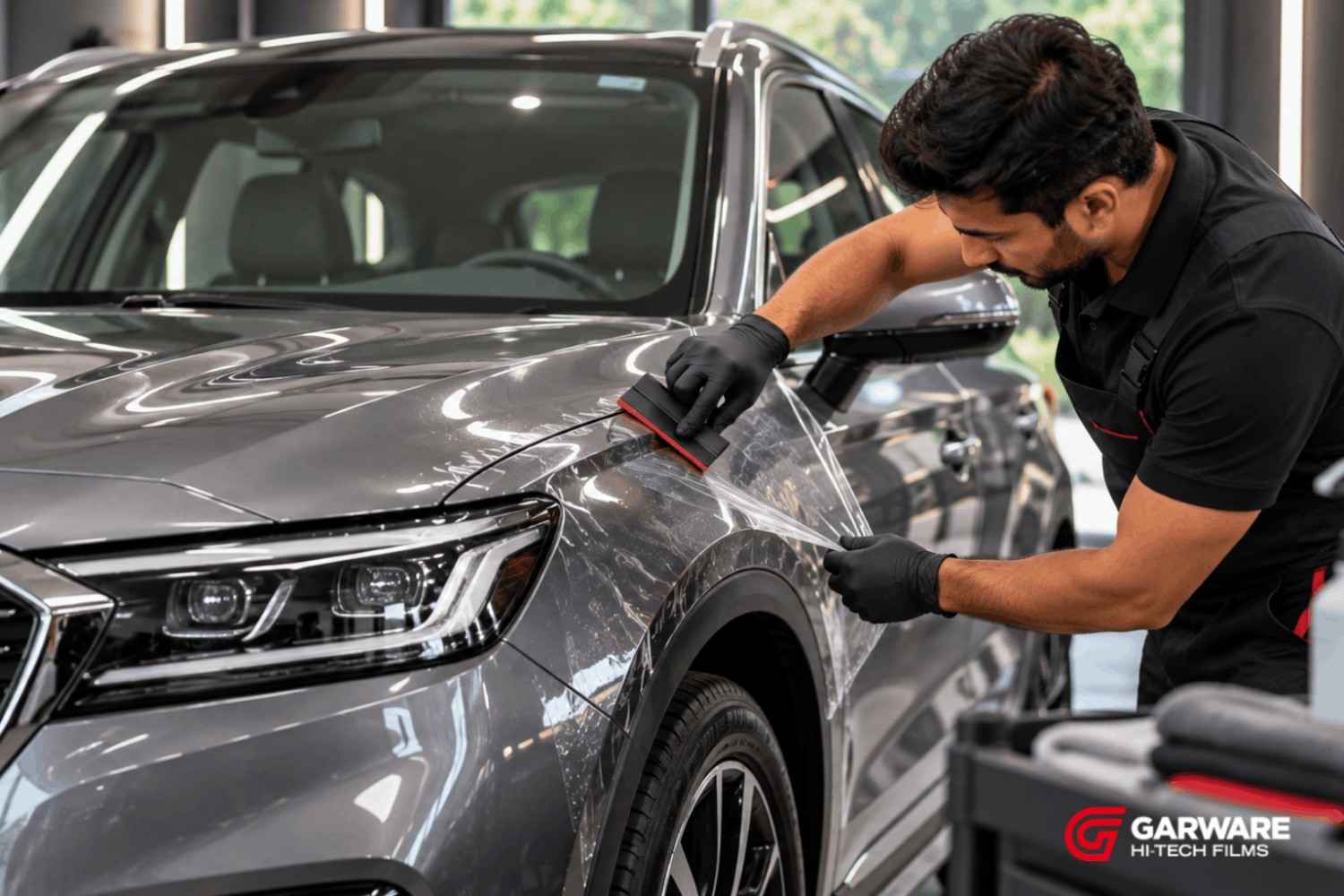
A two-year-old car may still have its original factory paint, yet daily driving, highway trips, improper washing and exposure to environmental contaminants can leave visible marks. PPF for used cars offers a way to protect the existing finish from further wear and maintain its appearance for longer. The results, however, depend on the paint’s current condition and the quality of preparation and installation.
Applying PPF to a two-year-old car does not mean covering every imperfection and expecting a flawless finish. Existing scratches, stone chips and clear coat damage need assessment before installation. Let us explore how the right preparation, film selection and maintenance can help an older car retain its refreshed appearance.
Is Your Two-year-old Car’s Paint Ready for PPF?
A professional paint inspection helps determine whether the car is ready for PPF. Applying PPF on existing paint is possible when the finish is stable and in suitable condition. The inspection should identify surface defects, clear coat damage and previous repairs that may affect the final result.
Inspect the panels under suitable lighting for swirl marks, stone chips, water spots, stains and signs of clear coat deterioration. Peeling paint, rust and poorly repaired areas require particular attention, as PPF cannot stabilise an already failing surface.
Cars with repainted panels need additional assessment. The paint must be sufficiently cured, stable and compatible with the installation process to support reliable paint adhesion. Where the finish is unstable, corrective work may be necessary before proceeding.
What Preparation Does the Paint Need?
The paint needs to be clean and free of contaminants before PPF installation. The amount of preparation depends on its current condition, so extensive polishing may not always be necessary.
Start with a thorough wash and paint decontamination to remove dirt and bonded particles. Existing wax, sealants or coatings may also need to be removed to help the film adhere properly.
Paint correction before PPF may help reduce surface defects, including light swirls and fine scratches, when the clear coat has sufficient thickness. Healthy paint does not need unnecessary polishing, while deep scratches, chips and clear coat failure require separate attention.
Before installation, agree on the expected finish with the installer. Clear film can preserve the prepared surface, but it will not reliably conceal existing defects or restore damaged paint.
How Does PPF Help Protect a Used Car’s Appearance?
Once the surface is ready, paint protection film for older cars can help preserve its appearance in three practical ways.
Reduces Scratches and Minor Stone Chip Damage
Quality TPU film can help shield vulnerable panels from minor abrasions, road debris and small stone impacts. This is particularly useful for cars that regularly travel on highways, where loose gravel and debris can mark the bumper, bonnet and mirror caps. PPF reduces exposure to everyday damage, although it cannot prevent every scratch, dent or impact.
Helps Preserve the Paint’s Gloss
Clear gloss film can maintain a consistent-looking finish while protecting the underlying paint from certain forms of surface wear. A quality self-healing topcoat may reduce the appearance of minor marks under the conditions specified by the manufacturer. This feature does not repair scratches in the paint beneath the film.
This helps the paint retain its gloss for longer, provided the surface is in good condition and the film is cared for properly.
Makes Routine Cleaning Easier
Depending on the product, a hydrophobic surface can encourage water to bead and improve resistance to certain stains. This can make routine cleaning more manageable, although dirt and contaminants still require proper removal.
Product-specific resistance to staining and UV exposure should be verified through the manufacturer's specifications. Bird droppings, insect residue and other contaminants should be removed promptly to minimise the risk of lasting marks.
Should You Choose Full-Body or Partial PPF for a Used Car?
The right coverage depends on driving habits, budget and how long the car is expected to remain in use. Two-year-old vehicles do not automatically require a full-body installation.
- Highway driving: Consider the front bumper, bonnet and mirror caps, which face regular exposure to road debris.
- Daily handling: Door cups, door edges and the boot loading lip can benefit from targeted protection against fingernail marks, scuffs and loading scratches.
- Broader appearance protection: Full-body PPF covers more painted surfaces and offers wider protection against everyday wear.
Partial PPF coverage protects selected panels, leaving the rest of the car exposed to everyday wear. The film’s edges or finish may also be visible under certain lighting. Choose the coverage based on your driving habits, budget and the areas most likely to get damaged.
How to Maintain a Car After PPF Installation?
PPF requires regular care to maintain its appearance and performance. Follow the installer's specified curing period before washing, along with the manufacturer's cleaning recommendations.
Use PPF-safe cleaners and a soft, clean wash mitt to avoid swirl marks. Remove bird droppings and insect residue as soon as possible, and avoid pulling at the film’s edges. Keep the pressure washer away from seams to prevent the film from lifting.
Check the film regularly for peeling, stains or damage. Fixing these issues early can help keep the film and paint in good condition.
Conclusion
Two years is not too late to protect a car's original finish. The deciding factor is the condition of the existing paint, not the vehicle's age alone. A thorough inspection, appropriate preparation and carefully selected coverage can help preserve a refreshed appearance for longer.
Explore Garware's PPF range and seek guidance from a qualified installer to determine a suitable product and coverage plan for your car.
FAQs About PPF for a Two-Year-Old Car
1. Is two years too late to apply for PPF?
No. PPF can protect a two-year-old car if the paint is stable and properly prepared.
2. Does every used car need polishing before PPF?
No. Polishing is needed only if the paint has correctable defects.
3. Can PPF hide existing stone chips?
No. Stone chips may remain visible beneath clear film. Repairing them beforehand can improve the finish.
4. Can PPF be applied over a ceramic coating?
The coating may need to be removed to ensure proper adhesion. Follow the manufacturer's guidance.
5. Is PPF suitable for a car with repainted panels?
Yes, if the paint is fully cured, stable and compatible with the film.
6. Can PPF be removed safely from older paint?
Usually, with proper technique. Older, damaged or repainted surfaces carry a higher risk.
7. Is partial PPF worthwhile for a daily-driven car?
Yes. It protects high-impact areas without the cost of full-body coverage.
8. Will PPF increase a used car's resale value?
It may improve the car's appearance, but a higher resale price is not guaranteed.

 English
 German
 Spanish
 French
 Arabic
 Chinese
 Turkish
 Russian