


What Car Owners Ask About PPF and How Experts Answer
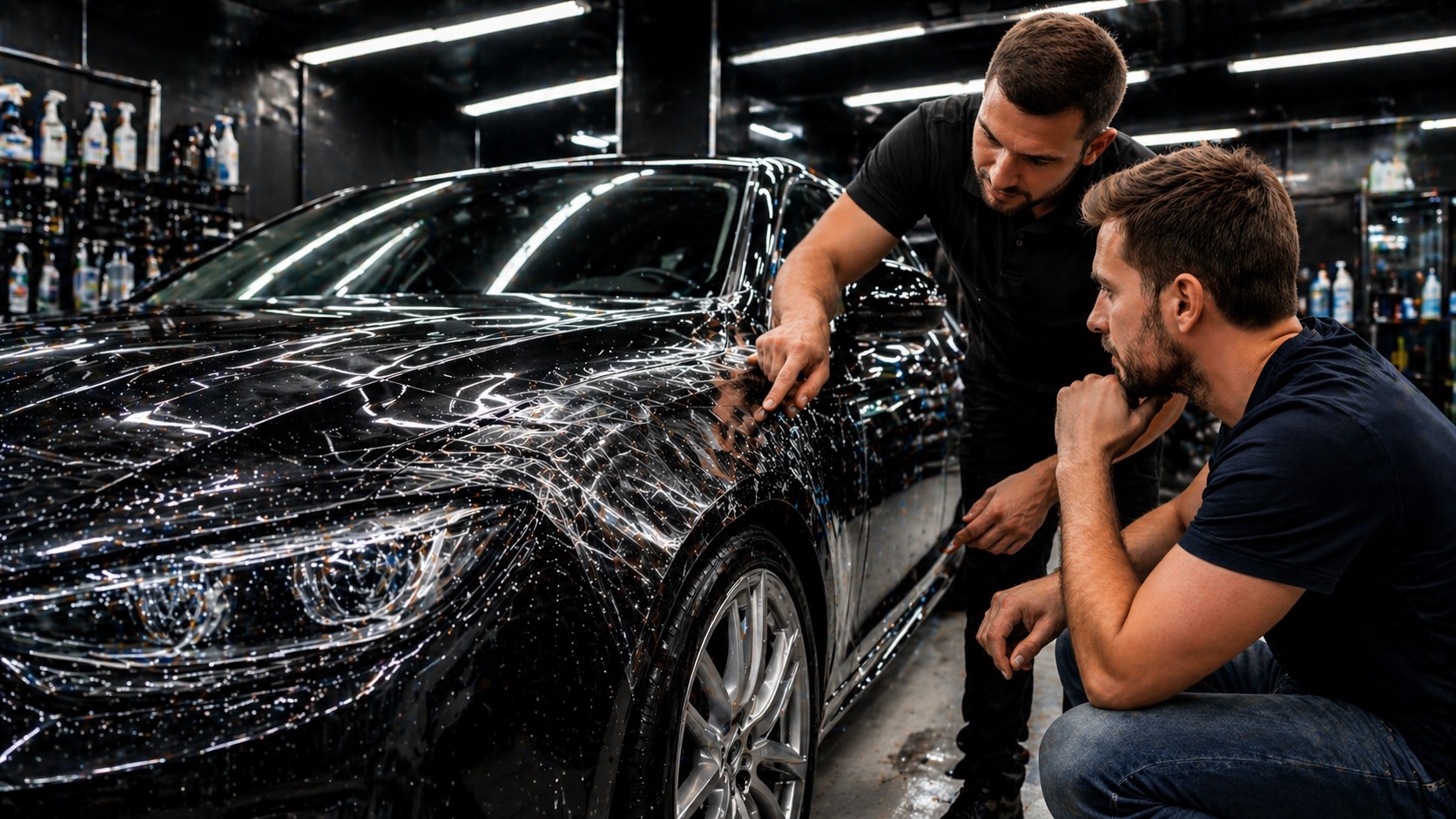
Car owners looking into paint protection film often hear different things from different people. Common PPF questions usually come down to three things: cost, performance, and how long it really lasts, and that’s where most of the confusion starts.
Most of them have similar concerns about PPF, especially regarding cost, durability, and real-world performance. These are the things that matter when deciding if it’s worth it.
Let us know the answers to these clear bra questions simply and practically, focusing on how PPF holds up over time, what maintenance entails, and what to expect in everyday use.
Why Car Owners Have So Many Questions Before Getting PPF
Interest in paint protection film has grown as car prices increase and owners look for ways to keep the original finish intact. Paint is no longer seen as just a visual element; it plays a big role in resale value and overall ownership cost.
The price is often what makes people hesitate. Compared to waxing or polishing, PPF costs more upfront, so it feels like a bigger commitment.
At the same time, there’s an expectation that it should last for years and handle daily wear without much effort. That’s where most of the doubt comes in, whether it actually holds up well enough over time to justify the cost.
Another big reason is the paint itself. Factory paint tends to hold its value better than a repainted surface, so protecting it becomes important. That is where paint protection film starts to make more sense, especially when the PPF benefits explained are looked at in terms of long-term value.
Is Paint Protection Film (PPF) Worth It?
Owner Question: “PPF is expensive. Is it actually worth it?”
Expert Answer:
The question, ‘Is PPF worth it?’ usually comes down to how the car is used and what the owner expects from it. For a new car, it helps keep that fresh, untouched look for longer. Luxury cars benefit more since repainting them can be quite expensive. Even daily-driven cars see the advantage, especially with constant exposure to dust, stones, and road debris.
PPF works like a protective layer that takes the damage instead of the paint underneath. Small scratches and chips affect the film, not the original surface, which helps avoid frequent repairs.
Over time, spending on polishing, paint correction, or repainting can add up. In many cases, that total ends up being more than the one-time cost of PPF, which is why its value becomes clearer in the long run.
Can PPF Damage Your Car’s Original Paint?
Owner Question: “Can PPF damage my car’s paint?”
Expert Answer:
One of the most common concerns around does PPF damage paint comes from confusion about how it sticks and how it’s removed. In reality, good-quality PPF is made for car surfaces and is safe to use on factory paint.
Problems usually show up in specific situations:
- Repainted panels where the paint is already weak
- Low-quality films with poor adhesion
- Incorrect removal that pulls on the surface
When the original paint is in good condition, PPF can be applied and removed without causing harm. Proper installation and careful removal make a big difference in keeping the paint safe.
Does PPF Turn Yellow or Lose Clarity Over Time?
Owner Question: “Does PPF turn yellow over time?”
Expert Answer:
The concern about does PPF turn yellow mostly comes from older types of films that didn’t handle sunlight very well. Modern PPF, especially those made from TPU, is built with UV protection to prevent discoloration.
Yellowing is more likely with cheaper PVC films, especially when the car is exposed to strong sunlight for long periods. In most cases, the issue is linked to the quality of the film rather than PPF itself.
With good-quality material, the film stays clear for years and keeps the car looking the way it should, without noticeable changes in appearance.
How Does Self-Healing Paint Protection Film Work?
Owner Question: “How does self-healing PPF work?”
Expert Answer:
To understand PPF self-healing and how it works, think of it like this: modern PPF is made from a flexible material that can ‘bounce back’ from small marks.
When the surface gets light scratches, heat from the sun, warm water, or even the car’s engine can soften the film slightly. As it warms up, the material settles back into place, and those fine scratches start to fade.
It only works on minor surface-level marks, though. If the scratch is deep, the film won’t be able to fix it on its own.
This is what makes PPF easier to maintain over time, since it helps keep the surface looking smooth without needing constant polishing.
PPF vs Ceramic Coating: Which One is Better for Your Car?
Owner Question: “PPF vs ceramic coating – which is better?”
Expert Answer:
The comparison of PPF vs ceramic coating can be confusing because they do different jobs.
PPF is mainly for protection. It takes the hit from things like stone chips, scratches, and road debris. Ceramic coating doesn’t protect against impact, but it helps the surface resist stains, adds shine, and makes the car easier to clean.
In many cases, using both works best. PPF protects the paint from physical damage, while ceramic coating sits on top and adds gloss, along with water-repelling properties.
This way, the car stays better protected and also looks cleaner for longer.
How Much Does Paint Protection Film Cost?
Owner Question: “How much does PPF cost?”
Expert Answer:
The cost of paint protection film isn’t fixed. It can change a lot depending on a few things.
It mainly depends on how much of the car is covered, just a few panels, the front portion, or the entire vehicle. Bigger cars or ones with complex shapes usually cost more. The type of film and the installer’s skill level also make a difference.
Partial coverage is more affordable, while full-body PPF is a bigger investment, especially with high-quality films.
Even though the upfront cost is higher, it can help avoid frequent paint repairs later. Over time, that makes the overall cost easier to justify.
Which PPF Coverage Option Should You Choose?
Owner Question: “Which PPF coverage option should I choose?”
Expert Answer:
Choosing the right PPF coverage comes down to how the car is used and what kind of damage it’s likely to face.
Partial PPF Coverage
This is the most basic option. It covers areas that get hit the most, like the front bumper, side mirrors, and door edges.
It gives a decent level of protection without costing too much, which makes it a good starting point.
Full Front Coverage
This is the most popular choice among car owners. It includes the bumper, hood, fenders, and mirrors, covering the zones most exposed to road debris.
Full Body PPF Coverage
This option covers the whole car, not just certain areas. Every panel is protected, so the chances of scratches or chips are much lower. It’s usually chosen for new or high-value cars where keeping the paint in good condition matters more.
The right option depends on driving habits, budget, and how much protection is needed.
How Do You Choose the Right PPF Film?
Owner Question: “How do I choose the right PPF?”
Expert Answer:
Choosing the right PPF comes down to a few basics: what it’s made of, how thick it is, the overall quality, and how well it’s installed.
TPU vs PVC Material
TPU is the more commonly used option today. It lasts longer, can handle minor scratches better, and doesn’t yellow easily in the sun.
PVC is cheaper, but it doesn’t hold up as well over time. It’s more likely to wear out and lose its clarity sooner.
Film Thickness
Most PPF comes in a thickness of around 6 to 10 mil. Thicker films usually offer better protection against things like stone chips.
At the same time, thickness isn’t everything. The film still needs to be flexible and sit well on the surface for a clean finish.
Brand Quality
Good quality films stay clear, stick well, and last longer. With brands like Global Hi-Tech Films, the film is made to resist yellowing and hold up over time. Lower quality films can turn yellow, start peeling at the edges, or wear out much faster.
Installer Experience
How the film is installed matters just as much as the film itself. Even a good PPF can cause problems if the job isn’t done properly. A clean workspace, proper alignment, and neat edge finishing all make a big difference in how well it looks and lasts.
This combination of factors determines whether PPF performs as expected or falls short over time.
Can You Install PPF Yourself or Should You Go Professional?
Owner Question: “Can I install PPF myself?”
Expert Answer:
The question, ‘Can I install PPF myself?’ comes up a lot, especially with DIY kits now available. While it’s possible, it’s not as easy as it looks.
Small issues like dust getting trapped, air bubbles, or the film not lining up properly can affect the final result. Edges can also lift if they’re not sealed well.
Professional installation usually gives a cleaner finish and lasts longer. DIY jobs often end up with visible flaws and may not hold up as well over time.
How Do You Maintain a Car After Installing PPF?
Owner Question: “How do you maintain a car with PPF?”
Expert Answer:
Following the right PPF maintenance tips helps keep the film looking clear and working well for a long time. The care routine isn’t complicated, but it does need to be done regularly.
Right after installation, it’s important to give the film some time to settle before doing anything.
- Wait at least 48 hours before washing the car
- Use a mild, pH-neutral shampoo for regular cleaning
- Avoid spraying high-pressure water directly on the edges
With simple and consistent care, PPF stays clear and lasts longer without issues.
How Long Does Paint Protection Film Actually Last?
Owner Question: “How long does PPF last?”
Expert Answer:
The answer to how long does PPF last isn’t the same for every car. In most cases, good-quality PPF can last around 5 to 10 years.
How long it actually holds up depends on a few things:
- The quality of the film
- Weather and road conditions
- How well the car is maintained
Cars that are often in strong sunlight, pollution, or rough conditions may see the film wear out faster. With better film and proper care, it tends to last much longer.
Will PPF Change the Look or Finish of Your Car?
Owner Question: “Will PPF change the look of my car?”
Expert Answer:
A common concern is how the car will look after PPF is applied. With good quality film, it’s barely noticeable and keeps the original paint just as it is.
There are also options like matte or gloss finishes if a slightly different look is preferred, without making any permanent changes.
Overall, it protects the car while keeping its original appearance intact.
Final Verdict: Is PPF the Right Long-Term Protection for Your Car?
Most PPF questions usually come down to cost, durability, and how well it works. When paint protection film is installed properly and maintained well, it handles all of these quite reliably over time.
It helps preserve the paint, reduces regular maintenance, and protects against everyday damage. Over time, this makes a noticeable difference compared to repeated paint repairs or corrections.
As a long-term paint protection solution, PPF works more as a practical investment than just a cosmetic upgrade.
FAQs About Paint Protection Film
- Is paint protection film (PPF) worth the investment for my car?
It can be worth it if long-term paint protection matters, as it helps avoid frequent repairs and keeps the car looking newer. - Can PPF damage my car’s original paint when removed?
No, not if the paint is original and in good condition, and the film is removed properly. - Does PPF turn yellow over time or lose clarity?
Good quality PPF usually stays clear, while cheaper films may turn yellow or dull over time. - How does self-healing paint protection film actually work?
Heat softens the film slightly, allowing light scratches to fade as the surface settles back into place. - What is the difference between PPF and ceramic coating?
PPF protects against physical damage, while ceramic coating adds shine and makes cleaning easier. - Can I install PPF myself, or should I choose a professional installation?
It can be done as a DIY process, but mistakes are common. Professional installation usually results in a smoother, cleaner finish. - How long does paint protection film last on a vehicle?
It typically lasts 5 to 10 years, depending on the film and how the car is used. - How do I maintain a car after installing PPF?
Regular washing is enough. Just use a gentle shampoo and don’t aim strong water directly at the edges. - Will PPF change the look or finish of my car?
Not really, it mostly looks the same. Only matte or gloss variants slightly change how the surface looks.TPU-based films are generally better as they last longer and handle wear more effectively. - What type of PPF is best for long-term protection?
TPU-based films are generally better as they last longer and handle wear more effectively.

 English
 German
 Spanish
 French
 Arabic
 Chinese
 Turkish
 Russian