





How to Remove Tar From Car Paint Without Damaging the Finish
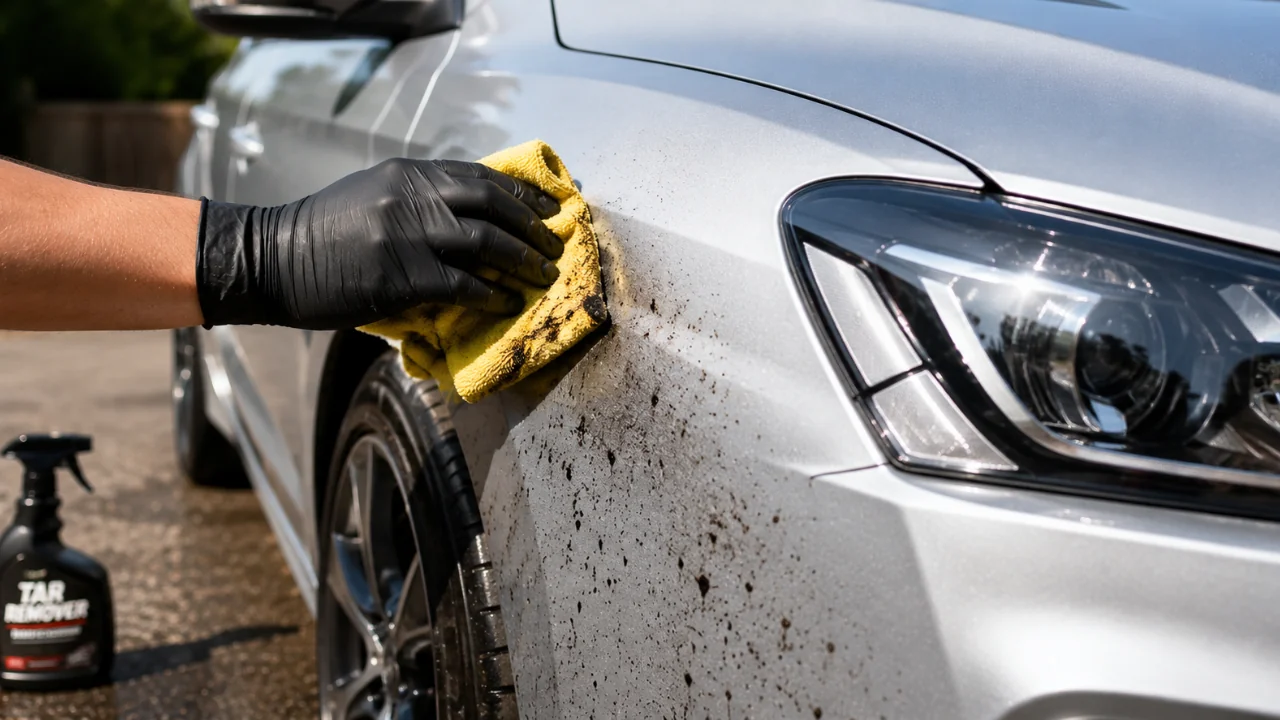
Driving on freshly paved roads or traveling behind construction vehicles often leaves behind stubborn black speckles on your vehicle. If you are wondering how to remove tar from car paint without causing harm, the key is using an automotive-safe tar remover and gentle techniques. Road tar and asphalt residue stick to the lower sections of a vehicle, and removing it incorrectly, such as scraping or aggressive rubbing, can damage the clear coat. The safest approach is to soften the residue, use a paint-safe remover, and gently wipe it away.
This comprehensive guide explains exactly how to get tar off a car safely, preserving your vehicle's appearance and long-term resale value.
Why Does Road Tar Stick to Car Paint?
Road tar is essentially liquefied asphalt mixed with petroleum-based binding agents. When it splatters onto your vehicle, it cools and hardens, adhering strongly to the surface and becoming increasingly difficult to remove. Prolonged exposure to heat and sunlight can make tar more difficult to remove as it hardens on the surface. Because tar is oil-based, standard car shampoo and water will simply slide right over it, requiring a specialized solvent to break down the chemical bond safely.
Tar commonly accumulates on the lower sections of the vehicle. You will typically find it on the rocker panels, lower doors, wheel arches, rear bumper, and directly behind the wheels where tire spray kicks up road contaminants.
Can Tar Damage Your Car's Paint?
Tar itself may not immediately destroy your paint, but leaving any foreign contaminant on the surface for extended periods is not ideal. The real danger lies in the removal process. Aggressive scraping or rubbing can create deep scratches in the clear coat. Furthermore, using incorrect household chemicals or harsh solvents can strip the protective wax, degrade the clear coat, or permanently dull the finish. Removing road tar gently is crucial to avoiding these costly paint corrections.
How to Safely Remove Tar From Car Paint
Follow this systematic approach to safely dissolve and lift tar without harming your vehicle's finish.
Wash the Car Before Removing Tar
Always start with a thorough wash using a pH-neutral car shampoo. This removes loose dirt, dust, and road grime. If you attempt to wipe tar off a dirty surface, you risk rubbing embedded dirt into the paint and causing swirl marks.
Identify the Tar Spots on the Paint
Inspect the lower body panels under good lighting and identify any visible black or brown spots or sticky residue.
Apply an Automotive-Safe Tar Remover
Spray a dedicated, automotive-safe tar remover directly onto the affected areas. These products are specifically formulated to break down petroleum-based stains without harming automotive clear coats.
Let the Tar Remover Soften the Residue
Do not immediately scrub. Allow the remover to dwell for the time specified on the product label. The solvent needs time to penetrate and soften the hardened asphalt.
Gently Wipe Away the Softened Tar
Using a clean, soft microfiber towel, gently wipe the area. The tar should lift away easily. If it does not, apply more remover and let it dwell longer. Avoid aggressive rubbing, which can cause friction damage.
Wash and Rinse the Treated Area
Once the tar is removed, wash the panel again with car shampoo and water. This removes any remaining product residue and loosened tar, preventing the remover from drying on the paint.
Inspect the Paint After Tar Removal
Dry the vehicle and inspect the paint under good lighting. Check for any remaining contamination, scratches, or surface damage. If the area feels smooth, the process was successful.
What Should You Avoid When Removing Tar From Car Paint?
To safely remove tar, avoid these common mistakes:
- Scraping tar with a knife, razor blade, or plastic scraper.
- Using abrasive pads, magic erasers, or stiff-bristled brushes.
- Aggressive rubbing or scrubbing the affected area.
- Using unknown household solvents like gasoline, acetone, or nail polish remover.
- Removing tar from hot paint or when the vehicle is in direct sunlight.
- Using dirty microfiber towels that may contain trapped grit.
- Leaving tar on the surface indefinitely, allowing it to bake into the clear coat.
Where Does Road Tar Usually Build Up on a Car?
To help you identify the most vulnerable areas during your inspection, review the table below detailing where road tar on car paint typically accumulates and why these spots are at risk.
Area | Why it is vulnerable |
| Front bumper | Direct exposure to road debris and asphalt residue |
| Rocker panels | Close to the road surface and exposed to tire spray |
| Lower doors | Exposed to road spray and kicked-up contaminants |
| Wheel arches | Tire spray can carry tar and other road contaminants |
| Rear bumper | Can collect road grime and contaminants thrown up by the vehicle |
| Behind wheels | Frequently exposed to kicked-up road debris and residue |
Can PPF Protect Car Paint From Tar and Road Contaminants?
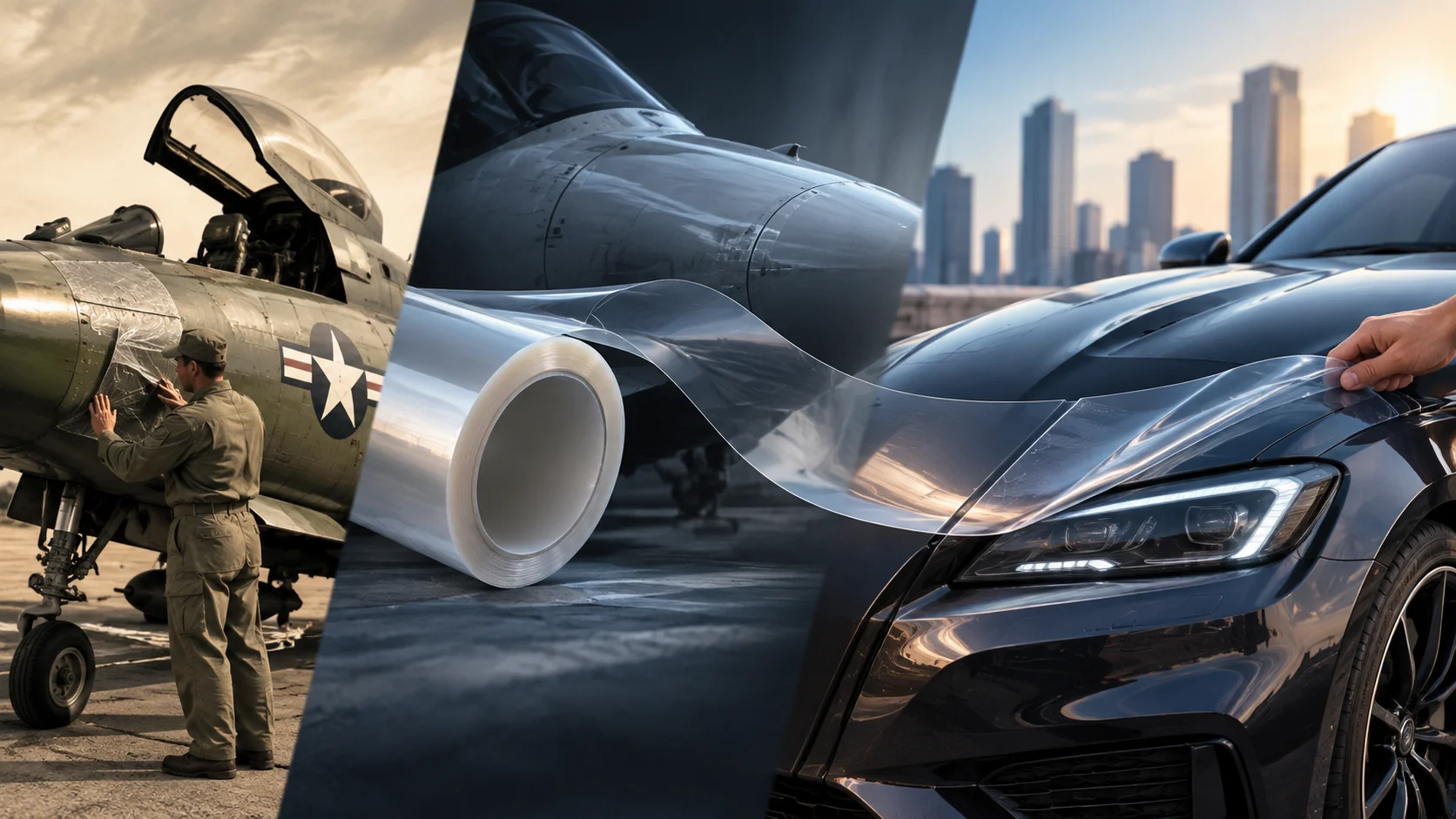
PPF creates a physical barrier between the road environment and the vehicle's factory paint. While tar can still settle on the film, a quality PPF can help protect the underlying paint from direct exposure to road contaminants and minor surface damage. Some PPF products also feature stain-resistant or easy-clean top coats that can make routine maintenance easier. For vehicles frequently exposed to highways, construction zones, or poor road conditions, PPF can be applied to vulnerable areas such as the front bumper, hood, rocker panels and other high-impact sections. Trusted brands like Global Hi-Tech Films offer premium PPF solutions designed to shield your vehicle's most exposed panels.
How Should You Remove Tar From PPF?
If your vehicle is protected by PPF, you must adjust your cleaning approach slightly to maintain the film's integrity:
- Always follow the PPF manufacturer's specific care instructions.
- Use tar removers that are explicitly compatible with polyurethane films.
- Avoid aggressive rubbing, which can dull the film's top coat over time.
- Avoid abrasive tools and chemicals that are not approved for use on PPF.
- Clean contamination promptly to prevent it from staining the film's top layer.
- If you are unsure whether a tar remover is compatible with the film, check the PPF manufacturer's care instructions before applying it.
How to Prevent Tar From Sticking to Car Paint
While you cannot completely avoid driving on treated roads, you can minimize buildup through proactive habits:
- Wash the vehicle regularly to remove contaminants before they harden.
- Clean tar spots promptly before the sun bakes them into the surface.
- Avoid parking near freshly paved roads or construction zones when possible.
- Pay special attention to lower body panels during your routine washes.
- Consider installing PPF on high-exposure areas to create a sacrificial barrier.
- Maintain the PPF according to the manufacturer's recommendations to preserve its protective and surface properties.
When Should You Get Professional Help to Remove Tar?
While DIY removal is highly effective for minor spots, professional detailing is recommended in the following situations:
- The tar has been left on the vehicle for an extended period and has baked into the clear coat.
- Large areas of the vehicle are heavily contaminated.
- The paint has already been scratched by previous removal attempts.
- Your DIY removal efforts are not yielding results.
- You are unsure whether a specific chemical product is safe for your finish.
- The vehicle has PPF and you need professional-grade, compatible cleaning solutions.
How to Keep Your Car Paint Free From Tar Damage?
Successfully removing tar from your vehicle requires patience and the right products. The formula for safe removal is simple: soften the residue with an automotive-safe solvent, allow it to dwell, and gently wipe it away with a clean microfiber towel. By avoiding abrasive tools and harsh chemicals, you protect your clear coat from permanent damage. For long-term peace of mind, investing in Paint Protection Film provides an additional layer of defense against road contaminants, making future cleanup easier and helping to preserve your vehicle's factory finish for years to come.
FAQs About Removing Tar From Car Paint
- What is the safest way to remove tar from car paint?
The safest approach is to wash the vehicle first, apply an automotive-safe tar remover according to its instructions, allow it to soften the residue, and gently wipe it away with a clean microfiber towel. Avoid scraping or aggressive rubbing. - Can I remove tar from my car with household products?
It is better to use a product specifically formulated for automotive paint. Household solvents such as gasoline, acetone and nail polish remover can damage the clear coat or dull the finish. - Does car shampoo remove tar?
Regular car shampoo can remove loose dirt and road grime but may not be effective against stubborn, bonded tar. An automotive-safe tar remover may be needed to soften and loosen the residue. - Can dried tar damage car paint?
Dried tar can become increasingly difficult to remove, particularly after prolonged exposure to heat and sunlight. Attempting to scrape or aggressively rub hardened tar can also scratch the clear coat. - Can you remove tar from a car without scratching the paint?
Yes. Washing the surface first, using a paint-safe tar remover and gently wiping the softened residue can help minimise the risk of scratching. Avoid abrasive tools and excessive rubbing. - Can tar be removed from PPF?
Yes, but you should use a tar-removal product that is specifically compatible with PPF and follow the film manufacturer's care instructions. Avoid abrasive tools and unapproved chemicals that could affect the film's top coat. - How soon should I remove tar from my car?
It is best to remove tar as soon as reasonably possible. Prompt cleaning prevents the residue from hardening further and becoming more difficult to remove. - Does PPF prevent tar from sticking to car paint?
PPF does not prevent tar from landing on the vehicle, but it creates a physical barrier between the road contaminants and the factory paint. Depending on the product, its protective top coat may also make routine cleaning easier.

 English
 German
 Spanish
 French
 Arabic
 Chinese
 Turkish
 Russian