



How to Maintain Your Car After Installing Paint Protection Film (PPF)
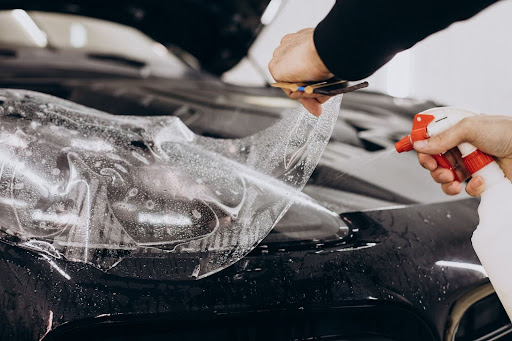
Investing in Paint Protection Film (PPF) is one of the smartest decisions a car owner can make. It shields your vehicle’s paint from scratches, stone chips, UV damage, and environmental contaminants, preserving its pristine appearance and long-term value.
But like any high-performance solution, PPF requires proper maintenance to deliver on its promise. Installation is just the beginning. How you care for your car afterward determines how well the film performs, how long it lasts, and whether it retains its clarity and self-healing properties.
At Global Hi-Tech Films, we don’t just deliver advanced PPF technology; we empower our customers with the knowledge to protect their investment. In this guide, we’ll walk you through everything you need to know about maintaining your car after PPF installation.
Why PPF Maintenance Is Non-Negotiable
PPF is not a “set and forget” product. It’s an engineered polymer layer designed to absorb impact, resist chemical damage, and self-heal minor surface scratches. However, improper care can compromise its performance.
Without proper maintenance, you risk:
- Hazing or water spotting from mineral deposits or incorrect cleaning products
- Edge lifting due to aggressive washing or exposure to contaminants
- Loss of hydrophobic properties from wax buildup or chemical exposure
- Reduced self-healing ability caused by heat-trapping residues
A well-maintained PPF system can last up to 10 years and keep your car looking showroom-fresh. The key? A consistent, correct care routine.
The First 7 Days: Critical Curing Period
After installation, your PPF needs time to fully bond with the paint. This curing phase is critical — and often overlooked.
What to Do:
Wait at least
- 7 days before washing your car
- Park in a covered or indoor area to avoid rain, dust, and debris
- Avoid touching or wiping the film
What to Expect:
- A slight foggy or wavy appearance is normal and will clear as the film dries
- Small water bubbles may appear — they will evaporate naturally over time
Step-by-Step: How to Wash a Car with PPF
Once the curing period is complete, regular washing is essential. But not all methods are safe for PPF.
Follow this professional-grade washing routine to keep your film in optimal condition:
1. Use a pH-Neutral, PPF-Safe Shampoo
Regular car soaps often contain waxes, silicones, or solvents that can damage the film’s top coat. Always use a pH-neutral, non-abrasive shampoo specifically formulated for PPF or ceramic coatings.
2. Follow the Two-Bucket Method
This prevents dirt and grit from scratching the film:
- Bucket 1: Soapy water for washing
- Bucket 2: Clean water for rinsing the wash mitt
- Rinse the mitt in Bucket 2 after every panel to avoid transferring contaminants
3. Use Soft Microfiber Tools Only
- Wash mitt: Use a plush, high-pile microfiber mitt
- Drying towel: Use a clean, absorbent microfiber towel
- Avoid sponges, brushes, or rough cloths that can cause swirl marks
4. Rinse Thoroughly and Dry Immediately
- Rinse all soap residue to prevent water spots
- Dry the car immediately using a waffle-weave microfiber towel
- Pay extra attention to edges and crevices where water can pool
PPF Do’s and Don’ts: Quick Reference Guide
Do’s | Don’t |
|---|---|
| Wash every 1–2 weeks | Use automatic or brush-based car washes |
| Use PPF-safe cleaning products | Apply waxes or sealants with silicones |
| Clean bird droppings within 48 hours | Spray high-pressure water directly on film edges |
| Inspect annually for lifting | Park under trees or near construction zones |
| Consider a PPF-safe ceramic coating | Use tire dressings that splatter on the film |
Handling Common Threats to PPF
Even with careful driving, your car faces daily threats. Here’s how to respond:
Bird Droppings & Tree Sap
- Act fast: Clean within 48 hours using a damp microfiber cloth and mild cleaner.
- Left too long, they can etch into the film
Stone Chips & Road Debris
- PPF is designed to absorb impact, but inspect regularly for deep scratches
- Minor scratches will self-heal with heat (sunlight or hot water)
Sun Exposure & UV Damage
- Quality PPF includes UV inhibitors to prevent yellowing
- Still, park in shade when possible to extend film life
Hard Water & Mineral Deposits
- Dry your car immediately after washing
- Use deionized water if available, especially in high-mineral areas
When to Seek Professional Maintenance
While home care is essential, annual professional servicing ensures long-term performance.
At a Global Hi-Tech Films Certified Center, your car receives:
- Decontamination wash with clay bar to remove bonded contaminants
- Inspection for edge lifting, delamination, or wear
- Reapplication of the hydrophobic layer to restore water beading
- Warranty validation and service records
We recommend a professional detail every 12–18 months, depending on usage and environment.
Why Global Hi-Tech Films PPF Is Built to Last
Not all PPFs are created equal. Our films are engineered for real-world conditions and tested for:
- Self-healing technology: Minor scratches disappear with heat exposure
- 9H scratch resistance: One of the highest in the industry
- UV stability: No yellowing for up to 10 years
- Hydrophobic finish: Water and dirt slide off effortlessly
- 10-year manufacturer warranty: Backed by a global network of certified installers
With precision application and long-term support, Global Hi-Tech Films ensures your vehicle stays protected, mile after mile.
FAQs: PPF Maintenance After Installation
- Can I take my car to an automatic car wash after PPF installation?
No. Brush-based automatic washes can damage the film. We recommend hand washing only using PPF-safe products.
- Should I apply ceramic coating over PPF?
Yes, a PPF-compatible ceramic coating enhances gloss, hydrophobicity, and makes cleaning easier. Global Hi-Tech offers certified top-coat solutions.
- How long should I wait before washing my car after PPF installation?
Wait at least 7 days to allow the film to fully cure and bond with the paint.
- Does PPF need special shampoo?
Yes. Use pH-neutral, wax-free, and silicone-free shampoos to avoid hazing or chemical degradation.
- Can bird droppings damage PPF?
- Yes, if left for more than 48 hours. Their acidity can etch the film. Clean immediately with a damp microfiber cloth.
Conclusion: Protect What Matters Most
Your car is more than a vehicle — it’s an investment, a passion, and often, a reflection of who you are. Installing PPF is the first step in protecting it. Maintaining it correctly is what ensures that protection lasts.
By following these expert-recommended practices — waiting 7 days, using the right products, washing correctly, and scheduling professional care — you ensure your car stays protected, glossy, and resale-ready for years.
At Global Hi-Tech Films, we believe in total protection, from installation to aftercare. Because your car deserves nothing less.


 English
 German
 Spanish
 French
 Arabic
 Chinese
 Turkish
 Russian