





How to Choose a Professional Window Tint Installer: Quality and Warranty Checks
Knowing how to choose a professional window tinter can make a difference to how well your automotive window tint looks and performs over time. The quality of the film matters, but so does the person installing it. Dust trapped beneath the film, poorly finished edges, and incorrect application can spoil the appearance even when the product itself is good. Checking the film's authenticity, understanding the warranty, and looking at the installer's previous work can help you avoid these problems.
Before booking an appointment, evaluate the installer's experience, working methods, and accountability. Here is what to look for when selecting a reliable professional for your vehicle.
What Makes a Window Tinter Professional?
A skilled professional window tint installer should understand how different vehicle windows are designed and how to work around defroster lines, sensors, and electronic components. Experience with different vehicle models also helps achieve a neat, consistent finish.
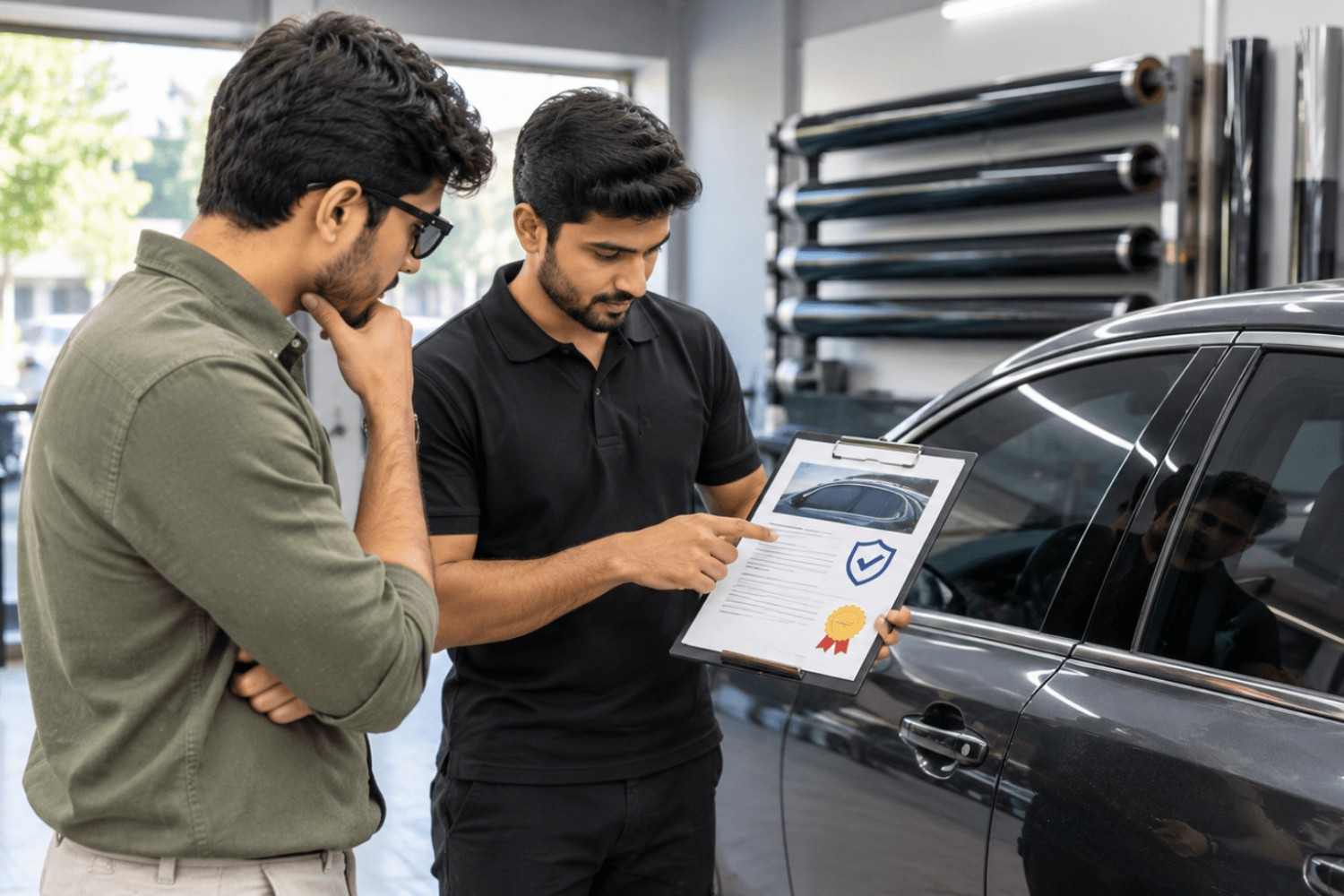
Ask about the installer's training and experience with your vehicle type. Previous installation work can give you a better idea of their skills. An authorised window tint dealer should know the films they sell and be able to discuss their specifications, prices, and warranty terms.
Check the workshop before handing over your vehicle. A clean installation bay helps keep dust off the glass while the film is being applied. Ask for a clear price breakdown and find out exactly what the service includes before choosing a professional car tinting service.
Installation Standards to Check Before Booking
The film is only part of the job; how it is fitted matters just as much. Ask the installer how they prepare the glass, deal with dust, and work around the vehicle's sensitive components.
The following window tint installation standards are worth checking:
- Glass preparation: The glass should be thoroughly cleaned to remove dirt, grease, and residue that could become trapped beneath the film.
- Precision cutting: The film must follow the window's shape closely, without leaving rough cuts or marks on the glass.
- Edge finishing: Check that the edges sit evenly against the glass, with no visible gaps or rough patches.
- Component protection: Defroster lines, antennas, sensors, window seals, and nearby trim need careful handling during application.
- Dust control: Indoor installation and a clean work area help prevent dust and other particles from getting trapped under the film.
Ask if the shop has a dedicated indoor space for tinting. The way the glass is prepared and the film is applied has a direct bearing on window tint installation quality and the chances of defects appearing later.
How to Verify Window Tint Quality and Film Authenticity
Before going ahead with the installation, find out the film's brand and exact product series. The installer should be able to explain its heat-rejection performance, UV protection, and visible light transmission (VLT) rather than simply describing it as a high-quality film.
The VLT rating is worth checking before settling on a shade, as window tint regulations vary by location. A shop claiming authorised dealer status should also be able to show its association with the film manufacturer.
Don't take film authenticity for granted when comparing premium options. Brands like Global Hi-Tech Films offer different automotive film options, so look at the specifications of the particular series being considered. Check its VLT compliance, heat-rejection figures, and product details instead of making a decision based on labels such as "ceramic" or "premium."
What Should a Window Tint Warranty Cover?
A window tint warranty comes into play if the film starts showing defects after installation. Its value depends on what is covered, how long the coverage lasts, and how easily you can raise a claim.
Pay attention to these details:
- Product warranty: Find out if the manufacturer covers bubbling, peeling, cracking, fading, or changes in film color.
- Workmanship warranty: Check if the installer takes responsibility for application problems such as edge lifting or trapped contamination.
- Exclusions: Look for conditions related to accidental damage, incorrect cleaning, and other reasons for rejecting a claim.
- Claim process: Know whom to approach and whether film removal or reinstallation is covered.
A product warranty and a workmanship warranty may offer different levels of protection. Request the terms in writing and retain the invoice, as these documents may be required when making a claim.
Quality Checks Before You Leave the Shop
Take a close look at the finished tint under good lighting. Check the edges for gaps or lifting and look for dust, hair, creases, or other particles trapped beneath the film. View the glass from different angles to spot any distortion, and make sure the windows operate as they should.
A little moisture, haze, or a few small water pockets may remain after installation. These usually settle during the curing period, though the time required depends on the film and weather conditions. Find out when you can roll down the windows or clean the glass.
Your window tint quality check should also cover the aftercare instructions. Ask which cleaning products to avoid and how long to wait before cleaning the glass. Point out any visible defects before leaving the shop.
Warning Signs to Avoid When Choosing a Car Window Tint Installer
Certain warning signs can indicate that a shop may not deliver consistent results. An installer who cannot identify the film brand, explain the warranty, or provide an invoice makes it difficult to verify what has been purchased.
Look at the work area and the finish on the glass. Dust around the workshop, rough edges, or a low quote with no clear product details are reasons to look elsewhere. The installer should also tell you when you can use the windows and how to clean the film.
A dependable car window tint installer should be willing to explain the process and answer questions about materials, window tint workmanship, and product limitations. Clear communication is an important part of accountability.
Final Checks Before Choosing a Window Tint Installer
A good window tint job depends on more than the film you buy. The person fitting it, the condition of the workshop, and the warranty all deserve attention when deciding how to choose a professional window tinter.
Visit the shop, look at some of its completed work, and get the film and warranty details in writing. Once the job is done, inspect the glass before driving away. These simple checks can help you avoid a poor installation and the cost of getting it fixed.
FAQs
1. How can I tell if a window tint installer is professional?
Ask how long they have been tinting cars and look at a few completed jobs. They should know the film they use and its warranty.
2. What installation standards should a professional tinter follow?
The glass needs a thorough clean, the film must fit the window, and the edges should sit flat. Vehicle components should remain undamaged.
3. How can I verify genuine window film?
Find out the exact brand and product series. The installer should provide its technical sheet and an invoice; dealer status can be checked with the manufacturer.
4. What should a window tint warranty cover?
It should state whether bubbling, peeling, cracking, fading, and fitting defects are covered. Check the exclusions before signing up.
5. What should I check before leaving the tint shop?
Look across each window for dust, creases, gaps, or lifted edges. Also check that visibility is clear and the windows move freely.
6. Which defects indicate poor tint installation?
Rough edges, uneven cuts, creases, and dirt trapped under the film are signs of a poor finish. Persistent lifting or distortion also needs attention.
7. What documents should I receive after installation?
Take the invoice, product details, and written warranty. Keep the installer's curing and cleaning instructions too.
8. What are the biggest red flags when choosing a tinter?
Be wary if the installer cannot identify the film or explain its warranty. A dirty workspace, vague pricing, and inflated claims are also reasons to walk away.
.png)
.png)
 (1).png)

 English
 German
 Spanish
 French
 Arabic
 Chinese
 Turkish
 Russian