



How Long Does PPF Last? Complete Paint Protection Film Lifespan Guide
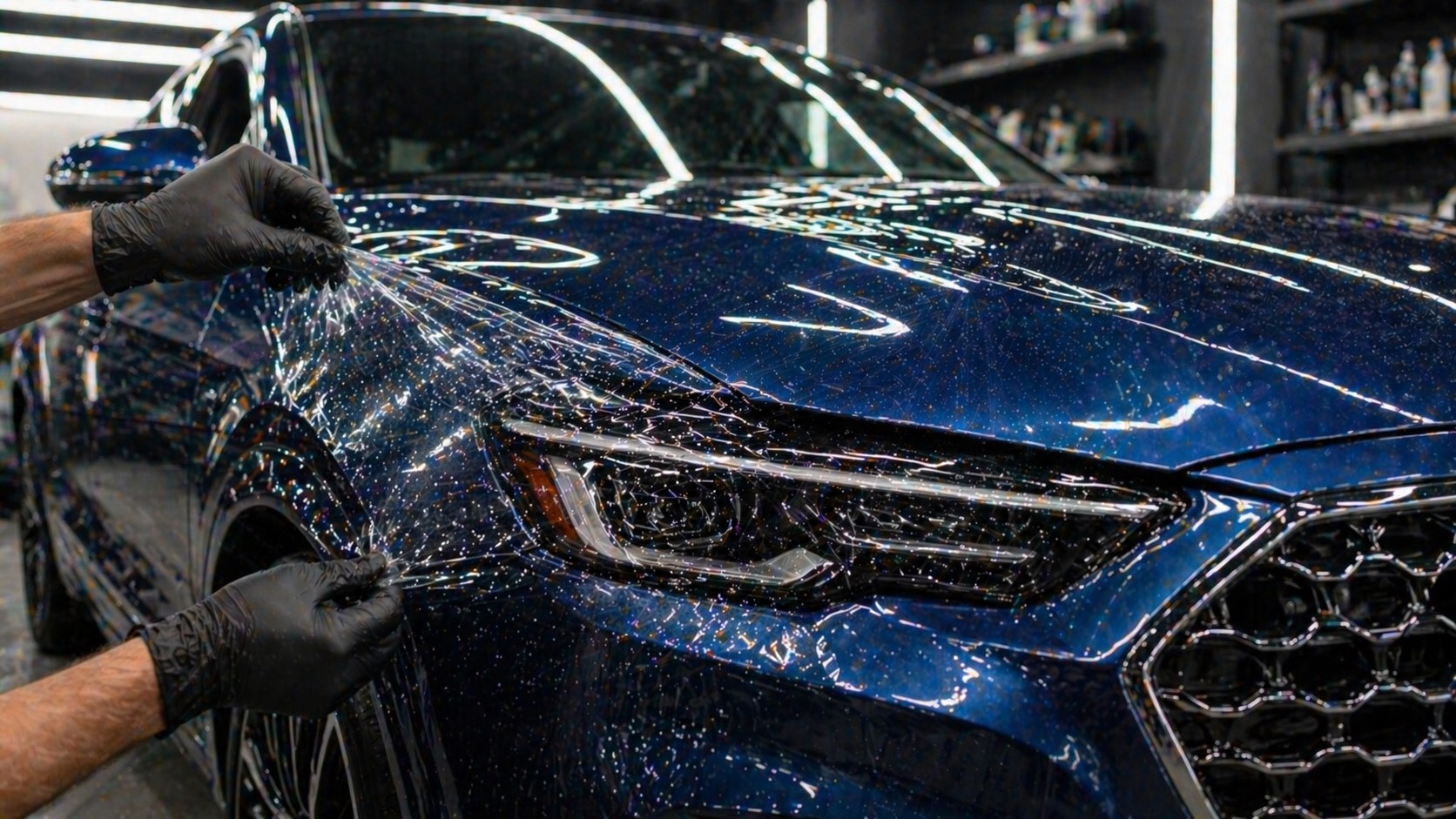
Car owners often choose Paint Protection Film (PPF) to keep their vehicle looking new; however, a common question still comes up: how long does PPF last? Some say it lasts only 3 years, while others claim it can go up to 10 years. The truth lies somewhere in between. The actual PPF’s lifespan depends more on the quality of the material, how well it is installed, and the conditions the car is exposed to, rather than just what brands promise.
If you are planning to invest in a PPF for the long run, it helps to know how it actually performs in everyday conditions. A Paint Protection Film’s durability is not just about what is claimed on paper; it is about how well the film holds up over time on your car.
Let us now look in detail at how long does a Paint Protection Film lasts and the main factors that influence its lifespan.
What is the Average Lifespan of Paint Protection Film (PPF)?
The average PPF’s life expectancy usually falls between 5 and 10 years. However, this is not a fixed number. It can change depending on how the car is used and the conditions it is exposed to.
Premium-quality films generally last longer and can remain in good condition for 7–10 years or more if well-maintained. In comparison, lower-quality films may start showing signs of wear much earlier. Things like weather, how often the car is driven, and how well it is cared for all play a role in the car’s PPF’s durability over the years.
Most brands mention a PPF warranty period, but that number is more of a guideline than a guarantee. In real life, how long the film lasts comes down to how it holds up with regular driving, weather exposure, and day-to-day use.
PPF Lifespan by Material Type: TPU vs Mid-Range vs PVC Films
Material composition plays a defining role in determining the durability and performance of a PPF. The following categories highlight how lifespan varies across different film types.
Premium TPU Films
Thermoplastic Polyurethane (TPU) films are seen as the most advanced option and offer the longest TPU PPF lifespan. They are made to be strong, flexible, and long-lasting.
These films handle UV exposure well and keep their clear, glossy finish over time. One of their biggest advantages is their self-healing ability; light scratches can fade away with heat, helping the surface stay smooth.
With proper care and the right conditions, premium TPU films can usually last around 7–10 years.
Mid-Range Films
Mid-range PPF falls in the middle in terms of price and performance. It usually lasts around 5–7 years and does a decent job of protecting the car in everyday driving.
It may not be as tough or long-lasting as premium TPU films; however, for many car owners, it works well as a more budget-friendly option that still offers solid protection.
Budget / PVC Films
Budget PPF, usually made from PVC, doesn’t last as long as other PPFs. The clear bra’s lifespan here is typically 2 to 5 years.
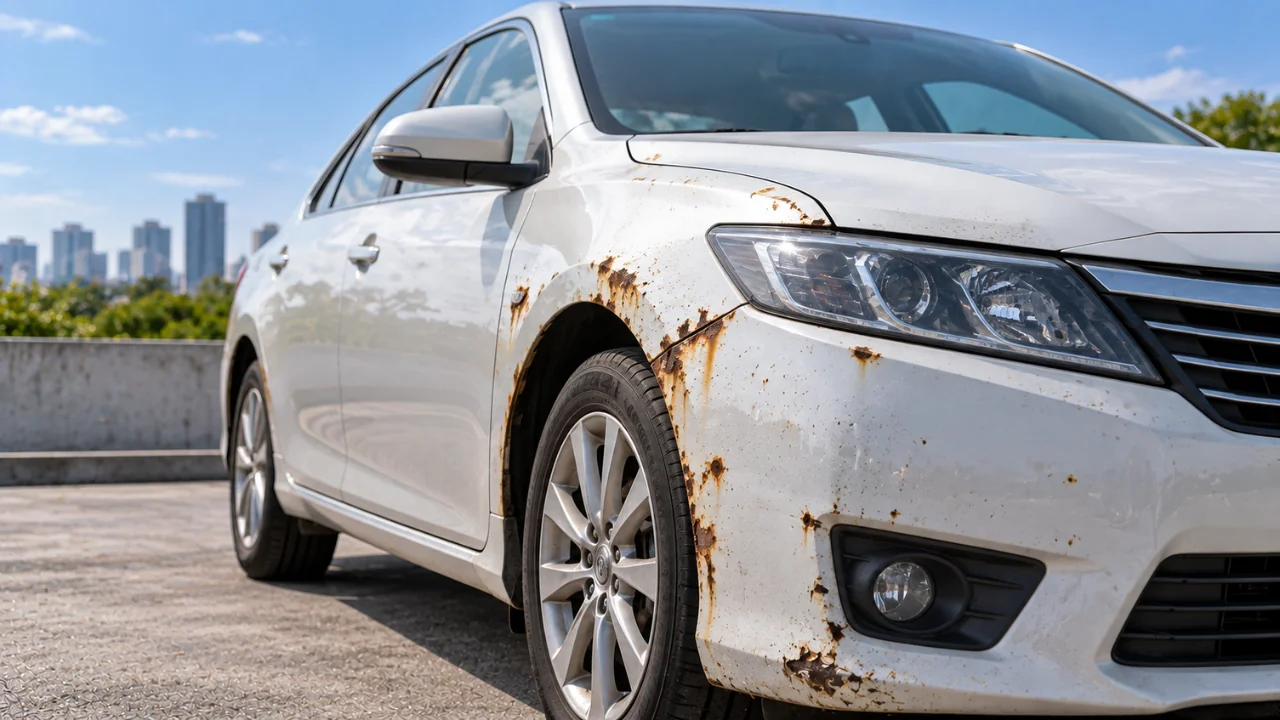
With time, these films can start to yellow, lose their shine, or even crack, especially if the car is often out in the sun. They also don’t stay as clear as better-quality films.
They are cheaper at the start, but since they wear out faster, you might end up replacing them sooner.
In simple terms, the material you choose plays a big role in how long PPF will last, so it is worth considering before installation.
What Factors Affect the Lifespan of PPF?
Apart from the material, a few everyday factors also affect the Paint Protection Film’s durability. These are the things that decide how well the film holds up over time, which is why the lifespan can vary from one car to another.
Installation Quality
How the PPF is installed makes a big difference in how long it lasts. A proper, professional job helps the film sit smoothly and stick well to the surface.
If the installation is not done right, you might notice issues like edges lifting or air bubbles showing up early. On the other hand, when it is applied correctly, the film blends in well with the paint and stays in place longer, which improves the overall PPF’s life expectancy.
Environmental Exposure
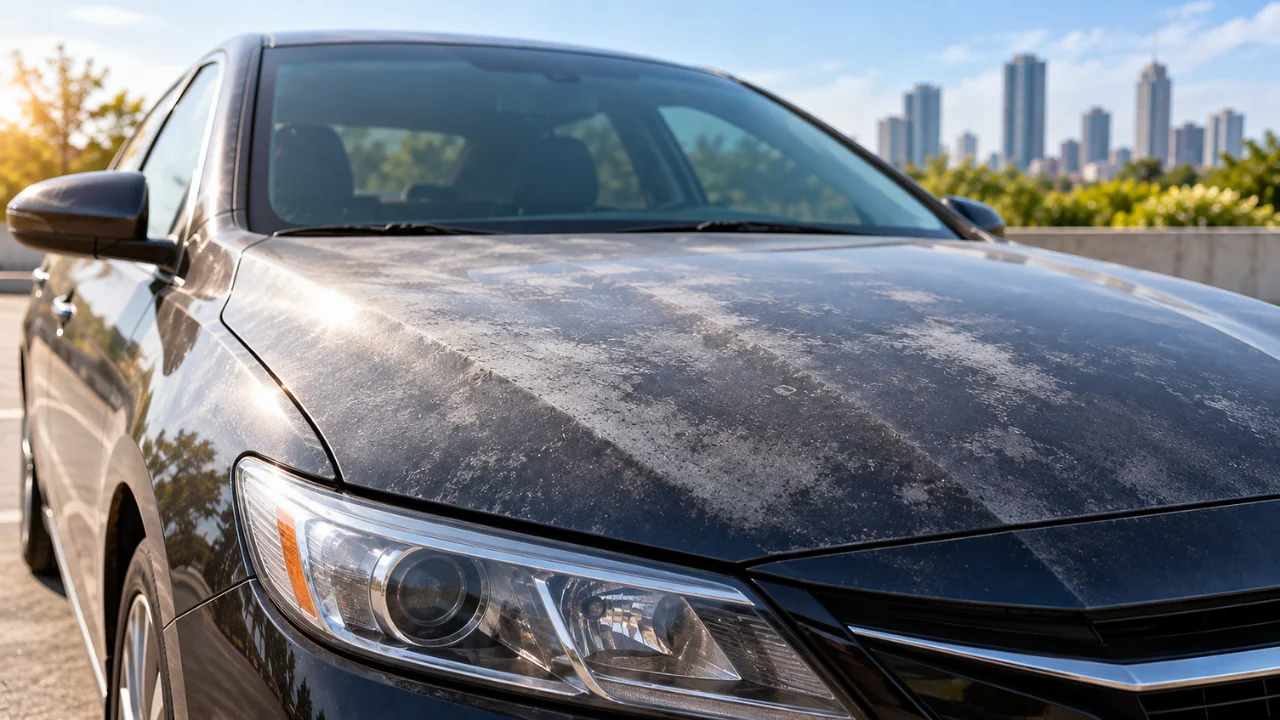
The environment your car is in has a big impact on how quickly PPF wears out. Many people wonder, ‘Does a PPF wear out faster in harsh conditions?’ The answer is yes. Cars that are often exposed to strong sunlight, pollution, or rough weather tend to wear out sooner.
Over time, UV rays can slowly weaken the film. Things like bird droppings, dust, and road dirt can also affect the surface if they are not cleaned off regularly.
Maintenance
Maintenance is something you can control, and it plays a big role in how to extend a PPF’s life. Regular washing and basic care help the film stay clear and do its job properly.
If the film is not cleaned often, dirt and contaminants can build up, which can make it wear out faster and lose its effectiveness.
In simple terms, how well the PPF is installed, the conditions it faces, and how you maintain it all come together to decide how long it will actually last.
Signs Your Paint Protection Film Needs Replacement
Over time, every PPF starts to show signs of wear. Spotting these early makes it easier to decide when to replace PPF before the paint underneath gets affected.
Some common signs to look out for include:
- Yellowing or discoloration, which is more noticeable on light-colored cars
- Edges starting to peel or lift
- Small bubbles forming under the film
- Cracks or a rough, brittle feel
- Loss of shine, making the surface look dull or hazy
When you notice these signs, it usually means the film is no longer giving the level of protection it should.
How to Extend the Lifespan of Your PPF
Taking care of your car properly can make a big difference in the durability of its PPF over the years. Small, regular habits go a long way in helping the film last longer.
Some simple PPF maintenance tips you can follow:
- Wash your car regularly using a gentle hand-wash method
- Avoid using strong chemicals or rough cleaning products
- Go easy on high-pressure automatic car washers; they can be a bit harsh on the film
- Try to park in the shade or under cover whenever possible
- Use PPF-safe sealants or ceramic boosters if you want that extra layer of protection
Doing these small things helps the film stay in better shape for longer.
At the end of the day, how you look after your PPF is what really makes the difference in how long it lasts.
When Should You Replace Paint Protection Film?
Even with proper care, PPF won’t last forever. Knowing when to replace the PPF helps you keep the paint underneath protected.
Once the film starts looking tired, loses its clarity, or doesn’t sit flat like before, it’s usually time to change it. Peeling edges or lifting areas are easy signs to spot.
Replacing it at the right time helps protect the paint and keeps the car looking neat.
Is PPF Worth It for Long-Term Car Protection?
For many owners, PPF does make sense over time. It may feel expensive at first; however, it can help you avoid bigger expenses later.
It protects the paint from small scratches, chips, and daily use, so you don’t have to worry about repainting as often. The car also tends to look better for longer, which can help when you plan to sell it.
In simple terms, spending on a good-quality PPF once can save you from repeated costs and effort down the line. Choosing a reliable option can make things easier in the long run, as better quality means you won’t have to replace it too soon.
With strong protection and steady performance, PPFs by Global Hi-Tech Films are built to last, so the investment feels more worthwhile over time.
Final Checklist to Maximize Paint Protection Film Lifespan
If you want your PPF to last as long as possible, a few simple steps can make a big difference:
- Go for a good-quality TPU film for better performance
- Get it installed by someone experienced to avoid early problems
- Clean the car regularly and follow a basic care routine
- Try to avoid leaving the car in harsh conditions for too long
These small habits help the film stay in good shape and do its job for a longer time.
Final Verdict: How Long Does PPF Really Last?
The answer to ‘how long does PPF last?’ is not fixed. It depends on a few things working together, not just one factor. Good-quality films can last 7–10 years or even longer, while lower-quality ones may need to be replaced sooner.
In the end, how long the PPF lasts depends on the film you choose, how well it is installed, and how you care for it. If you invest in better materials and maintain them properly, you can expect them to protect your car and keep it looking good for years.
FAQs about PPF Lifespan
- How long does paint protection film last on a car?
Usually around 5–10 years, depending on the film quality and how well you take care of it. - Does PPF really last 10 years?
Yes, but mostly with high-quality films and proper maintenance; not all PPF will last that long. - What factors affect the lifespan of PPF?
Things like material quality, installation, weather conditions, and how you maintain the car all matter. - How do I know when my PPF needs to be replaced?
If it starts looking yellow, dull, or you notice edges lifting or small bubbles, it’s probably time to replace it. - Does PPF turn yellow or peel over time?
It can, especially with cheaper films or cars that sit in the sun a lot, but better-quality ones hold up much longer. - Can PPF be replaced without damaging the paint?
Yes, as long as it’s removed carefully by a professional, the paint underneath is usually fine. - How can I extend the lifespan of my PPF?
Just keep it clean, handle it gently, and try not to leave the car in harsh conditions for too long. - Is PPF worth it for long-term car protection?
For most people, it is; it keeps the paint safer and can help prevent more extensive repair costs later on.

 English
 German
 Spanish
 French
 Arabic
 Chinese
 Turkish
 Russian