





How Can You Prevent Car Dashboards and Leather Seats from Fading?
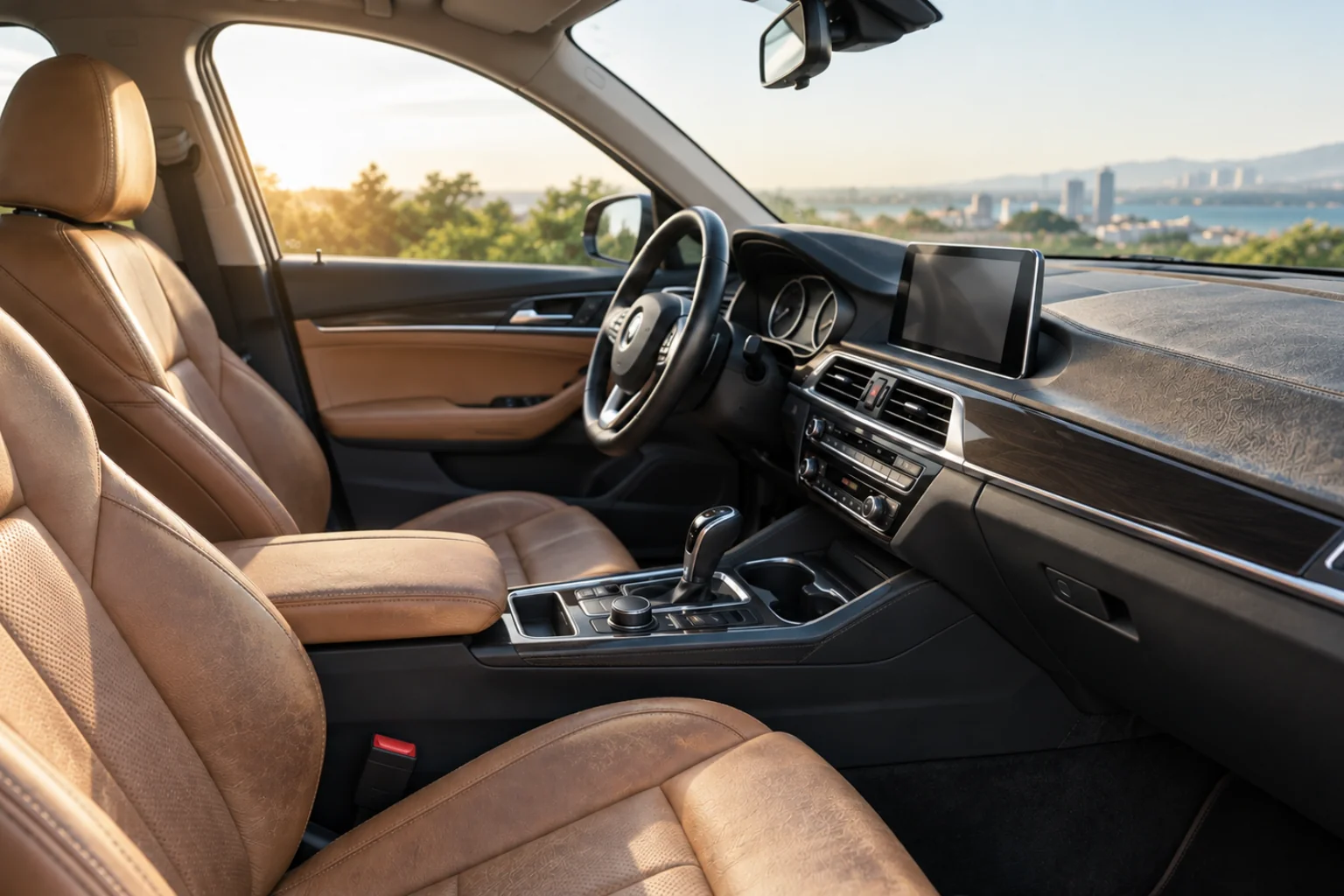
A faded, cracked dashboard or dried-out leather seats can make even a well-maintained vehicle look aged and neglected. To prevent car dashboards and leather seats from fading, it is essential to combine physical sun barriers with regular cleaning and UV-protectant conditioning. The primary contributors to interior degradation are ultraviolet (UV) radiation and extreme heat, which can accelerate material ageing and discoloration over time. By implementing a consistent care routine and utilizing protective measures, you can significantly extend the life and appearance of your vehicle's interior.
Why Do Car Dashboards and Leather Seats Fade or Crack?
Understanding the root cause of interior damage is the first step in preventing it. Automotive interiors are subjected to harsh conditions, primarily when parked outdoors.
- UV Radiation: Ultraviolet rays from the sun can degrade the finishes, pigments and polymers used in automotive interior materials. Prolonged exposure can contribute to color loss, resulting in a faded, chalky, or bleached appearance.
- Extreme Heat: The greenhouse effect inside a parked car can cause cabin temperatures to rise significantly. Repeated exposure to high temperatures can accelerate the ageing and drying of leather, vinyl and plastic surfaces, making them more susceptible to stiffness, discoloration and cracking.
- Oxidation: Over time, exposure to oxygen, heat and environmental pollutants can contribute to the ageing and deterioration of vinyl, leather and other interior materials. This can make surfaces more susceptible to discoloration, stiffness and cracking.
How to Protect Your Car Interior from UV Rays and Heat
The most effective way to prevent fading is to stop the damaging elements from reaching the interior in the first place.
Park in Shaded or Covered Areas
Whenever possible, park your vehicle in a covered garage, under a carport, or beneath the shade of a large tree. Limiting direct exposure to UV rays and extreme heat is the simplest and most effective preventative measure.
Use a Windshield Sunshade When Parking Outdoors
Placing a reflective sunshade across the front windshield every time you park outside provides an immediate barrier. It reflects much of the incoming solar energy, helping reduce heat buildup around the dashboard and other front-cabin surfaces.
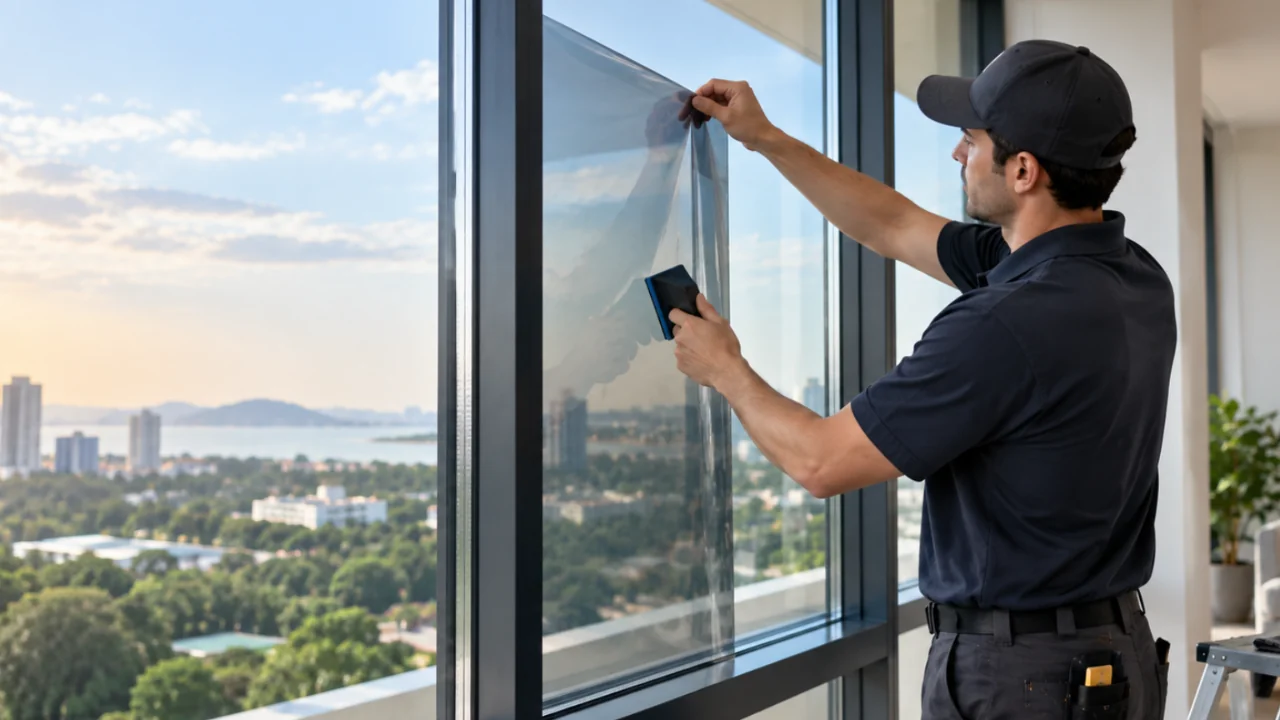
Install UV-Blocking Automotive Window Film
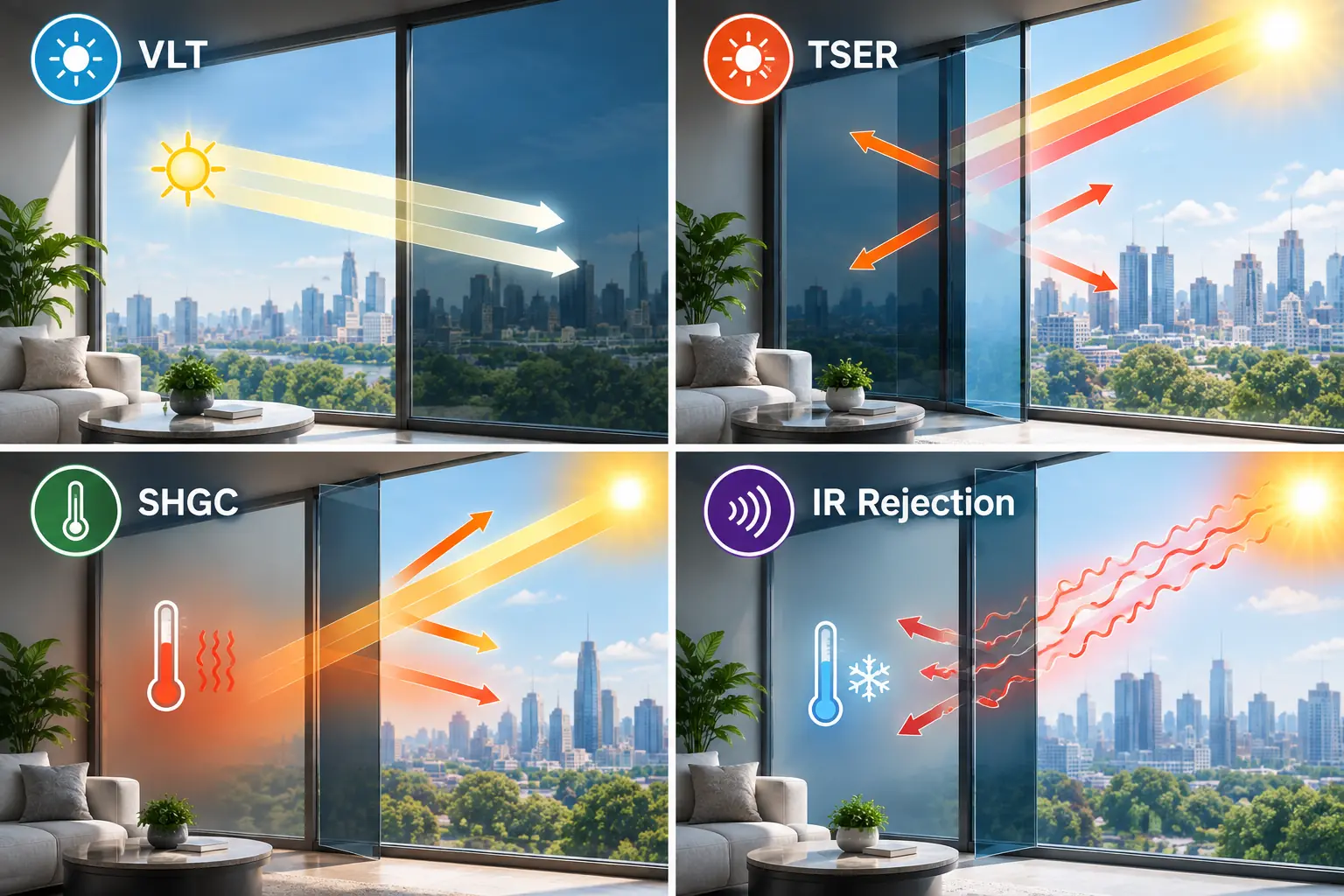
While automotive glass provides some protection from UV radiation, additional window film can provide further UV and solar-energy rejection, depending on the film and glass combination. Advanced car window films from manufacturers like Global Hi-Tech Films are engineered to reject solar energy and can block up to 99 percent of UV rays, depending on the specific film. By reducing the amount of solar energy entering the cabin, these films help protect the dashboard and leather seats from the primary causes of fading and cracking.
Use Breathable Seat Covers for Added Protection
If your vehicle must sit vacant in the sun for extended periods, covering leather seats with breathable, light-colored fabric or suitable seat covers can reduce direct sunlight reaching the upholstery. Choose breathable materials designed for automotive use to avoid unnecessary heat and moisture buildup.
How to Clean and Maintain Dashboards and Leather Seats
Physical barriers are highly effective, but they must be paired with proper maintenance to keep the materials resilient.
Clean Dashboard and Interior Surfaces Regularly
Dust and grit act like fine sandpaper. When you sit on leather seats or wipe a dusty dashboard, the friction can grind these particles into the material, causing micro-scratches that accelerate wear. Remove loose debris frequently using a soft microfiber cloth or a soft-tipped vacuum attachment. Additionally, address any spills or stains promptly with a damp cloth to prevent them from setting into the material.
Apply a Suitable UV Protectant to the Dashboard
Treat your dashboard, door panels, and trim with a dedicated interior protectant spray. These products are formulated to create a protective barrier against the sun while helping protect the surface from UV exposure and reducing the effects of drying over time. Look for products that explicitly state they offer UV protection and avoid those with heavy silicones that can leave a greasy, unnatural shine.
Clean and Condition Leather Seats Regularly
Leather is a natural material that benefits from regular cleaning and conditioning to help maintain its flexibility and finish. Use a dedicated, pH-balanced leather cleaner followed by a leather conditioner according to the product manufacturer's instructions, particularly in vehicles exposed to intense heat and sunlight. This helps maintain the material's suppleness and prevents the drying and cracking that often precede severe fading.
How to Keep Your Car Interior Looking New for Longer
Preventing car dashboards and leather seats from fading requires a proactive approach to vehicle care. By minimizing direct sun exposure with windshield sunshades, shaded parking, and UV-rejecting window films, you address the root cause of interior degradation. When combined with a consistent routine of gentle cleaning, prompt spill management, and proper conditioning, these protective measures can help preserve the color, texture and overall condition of your vehicle's interior for longer.
FAQs About Car Interior Fading
- How can I prevent my car dashboard from fading?
Park in shaded or covered areas, use a windshield sunshade, install UV-blocking window film, and regularly clean and treat the dashboard with a suitable UV-protectant product. - Can window film help prevent car interior fading?
Yes. Window films with UV-blocking properties can reduce the amount of ultraviolet radiation entering the cabin. Some films also reject solar energy, helping reduce heat buildup and protect interior materials from prolonged sun exposure. - Does UV protection help prevent leather seats from fading?
Yes. Reducing UV exposure can help slow color fading and deterioration of leather surfaces. Combining UV protection with regular cleaning and conditioning can help maintain the appearance and condition of the upholstery. - How can I protect leather car seats from sun damage?
Use shaded or covered parking whenever possible, install UV-blocking window film, use suitable breathable seat covers when the vehicle is parked for long periods, and clean and condition the leather according to the manufacturer's recommendations. - Can a windshield sunshade prevent dashboard cracking?
A windshield sunshade can reduce direct sunlight and solar heat reaching the dashboard, which may help limit heat-related ageing. It works best as part of a broader interior-protection routine. - How often should I clean and condition leather car seats?
The ideal frequency depends on the type of leather, climate, vehicle usage and product recommendations. For many vehicles, conditioning every three to six months can be a reasonable starting point, with more frequent care potentially needed in hot, sunny conditions. - Can faded leather car seats be restored?
Light fading may be improved with a suitable leather color restorer or dye, depending on the condition and type of leather. Severely cracked, damaged or extensively faded upholstery may require professional restoration or replacement. - What is the best way to protect a car interior from sun and heat?
A combination of shaded parking, a windshield sunshade, UV-blocking window film, regular interior cleaning and appropriate surface care provides comprehensive protection against prolonged sun and heat exposure.


 English
 German
 Spanish
 French
 Arabic
 Chinese
 Turkish
 Russian