






What Causes Hard-Water Spots on Cars and How Can You Prevent Them?
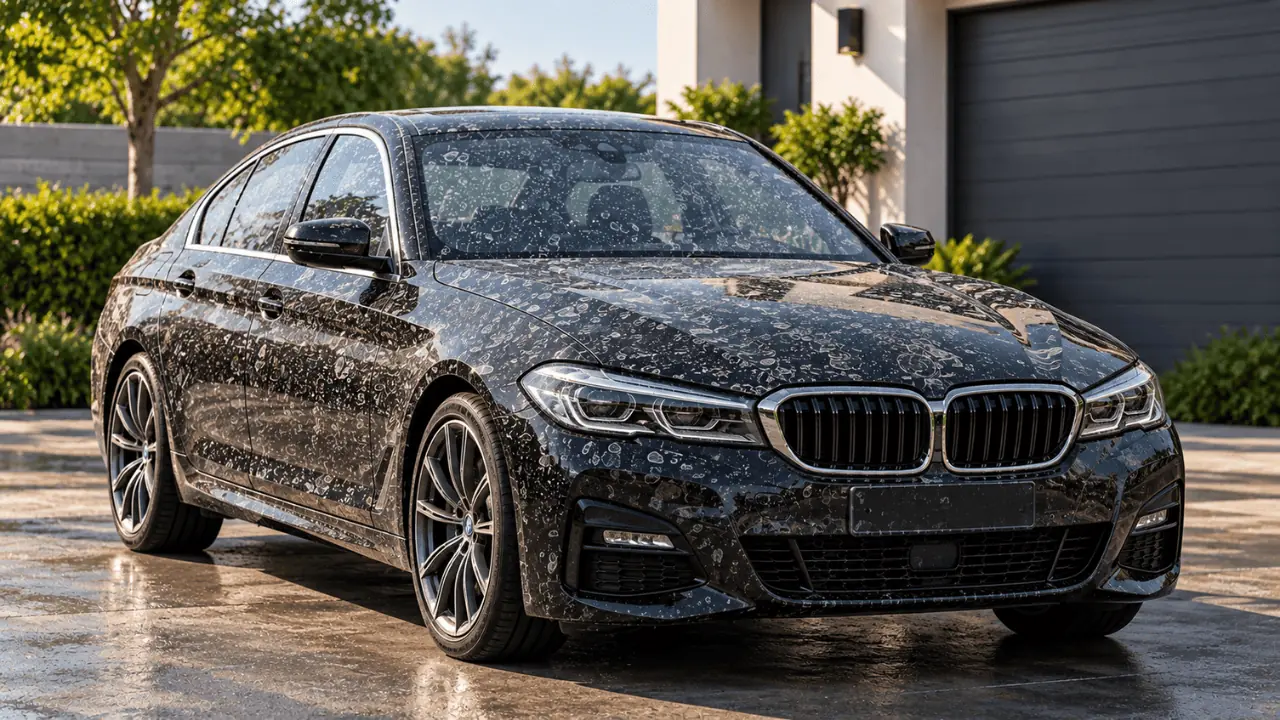
You have just finished washing your vehicle, and as the water dries, unsightly white rings begin to appear on the paint. These frustrating marks are hard water spots on car surfaces, and they are one of the most common detailing challenges vehicle owners face. They occur when mineral-rich water evaporates, leaving behind calcium and magnesium deposits that bond to your clear coat. Understanding what causes these spots and implementing the right prevention strategies is essential for maintaining a flawless finish. This comprehensive guide explains the science behind water spotting and provides actionable methods to keep your vehicle's paint protected and spot-free.
What Causes Hard Water Spots on Cars?
Hard water spots form due to the mineral content in your water supply. When water contains high concentrations of dissolved minerals, primarily calcium and magnesium, it is classified as hard water. During the washing process or when your vehicle is exposed to rain or sprinklers, these mineral-laden droplets sit on the paint surface. As the water evaporates into the air, the dissolved minerals cannot evaporate with it. Instead, they remain behind as solid deposits on your vehicle.
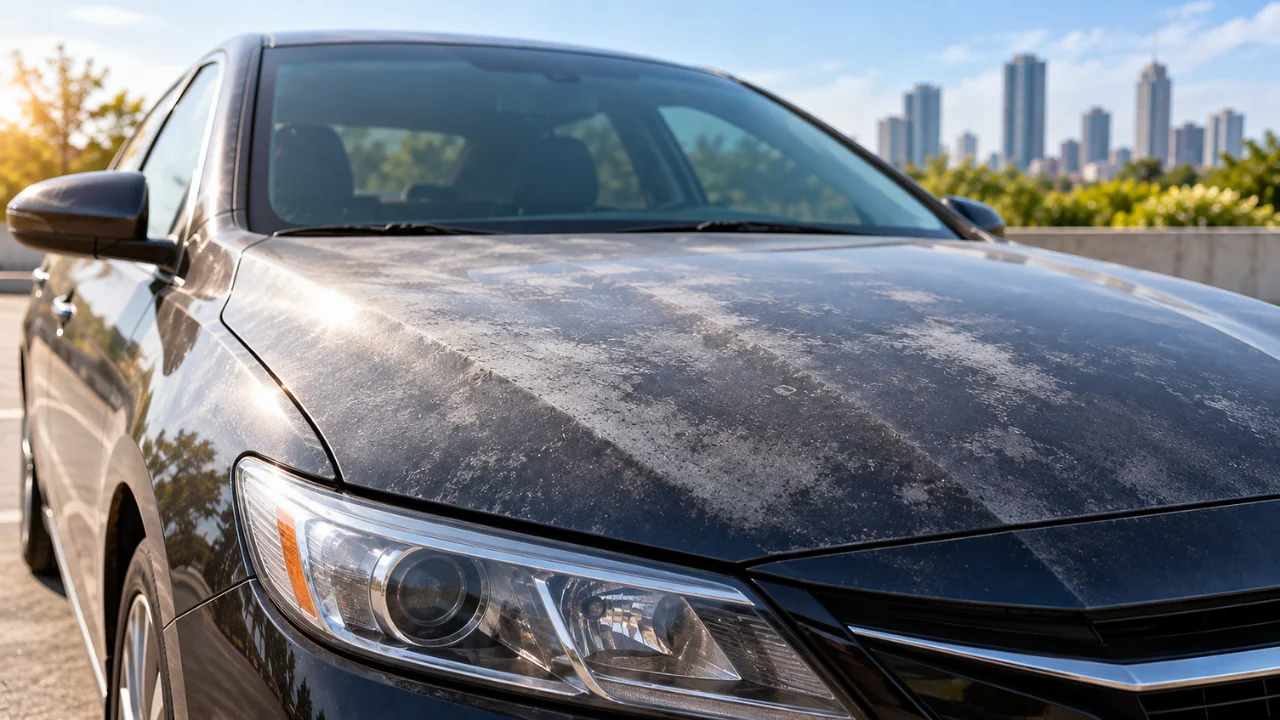
The problem intensifies when these water spots are exposed to heat and sunlight. The sun's thermal energy causes the water to evaporate more rapidly, and the minerals bake onto the surface. This process can cause the deposits to contract and push deeper into the microscopic texture of the clear coat, making them significantly more difficult to remove. Over time, these mineral deposits on car paint can progress from simple surface contamination to permanent chemical etching if left untreated.
Does Hard Water Damage Car Paint?
Hard water damage to car paint is a legitimate concern that goes beyond simple cosmetic annoyance. Initially, water spots sit on top of the clear coat and can be removed with proper cleaning techniques. However, if these spots are left untreated for extended periods, the story changes. Mineral deposits can become bonded to or etch the clear coat when left on the surface, particularly under heat and sunlight.
This etching process creates permanent dull spots or microscopic pits in the paint that cannot be simply washed away. At this stage, the damage requires professional paint correction, polishing, or in severe cases, repainting of the affected panels. Therefore, addressing hard water stains on car paint promptly is crucial to preventing long-term damage to your vehicle's finish and preserving its resale value.
How Can You Prevent Water Spots on Car Paint?
Preventing water spots on car paint is far easier and more cost-effective than removing them after they have formed. By adjusting your washing techniques and environmental habits, you can significantly reduce the risk of mineral deposits bonding to your vehicle.
Prevention Strategy | How It Helps | Implementation |
| Wash in the Shade | Keeps panels cool, slowing down evaporation | Wash on cloudy days or in a garage to prevent water from flashing off |
| Work Panel by Panel | Prevents water from sitting on the paint | Wash, rinse, and dry one section completely before moving to the next |
| Use DI or RO Water | Removes minerals before they touch the paint | Install a deionized or reverse osmosis filter on your wash hose |
| Dry Immediately | Removes water before it can evaporate | Use a plush microfiber towel or a dedicated car blower to remove all moisture |
| Avoid Lawn Sprinklers | Prevents exposure to highly mineralized groundwater | Park in a garage or away from landscaping zones when irrigation is active |
Using deionized (DI) or reverse osmosis (RO) water is one of the most effective ways to manage this issue. These systems strip away calcium and magnesium ions, producing pure water that can significantly reduce water spotting, including when water is allowed to dry on the surface. For vehicle owners in areas with extremely hard water, this investment can significantly reduce spotting and transform the washing experience.
Can Paint Protection Help Prevent Water Spots?
While proper washing techniques are the first line of defense, adding a layer of protection to your vehicle's paint can significantly reduce the severity and frequency of water spotting. It is important to understand the difference between the two main types of protection. Ceramic coatings primarily provide surface-level protection, enhancing hydrophobicity and making routine maintenance easier. Paint Protection Film (PPF), on the other hand, provides a physical barrier for the underlying paint, and many premium films also feature hydrophobic top coats.
Hydrophobic surfaces change the way water behaves on your vehicle. Instead of spreading out and pooling, water beads up tightly and sheets off the surface rapidly. This reduced contact time means minerals have less opportunity to bond to the clear coat as the water evaporates. Premium paint protection solutions, such as high-quality Paint Protection Film from manufacturers like Global Hi-Tech Films, feature advanced top coats that enhance water shedding. These protective layers create a smoother surface with lower surface energy, making it more difficult for mineral residue to adhere strongly. While they do not make the vehicle entirely immune to water spots, they make routine cleaning safer and much easier.
How to Safely Remove Hard Water Spots from a Car
If you already have water spots on car paint, it is important to remove them safely to avoid scratching the clear coat. The appropriate removal method depends entirely on whether the deposit is sitting on the surface or has etched into the clear coat.
- Wash the Vehicle First: Start by washing the vehicle with a pH-neutral car shampoo to remove loose dirt and debris.
- Treat Fresh Spots: For surface-level spots, a dedicated automotive water spot remover applied with a soft microfiber towel is often sufficient. Allow the product to dwell according to the manufacturer's instructions to dissolve the mineral deposits, then rinse thoroughly.
- Address Bonded Deposits: For more stubborn spots that have bonded to the surface but not deeply etched, a clay bar treatment with ample lubrication can physically lift the minerals from the paint.
- Correct Etched Damage: In cases of severe etching where the minerals have penetrated the clear coat, chemical removers and clay bars will not be enough. Professional polishing or paint correction is required to level the surface and restore the gloss.
Always test any removal product in an inconspicuous area first to ensure compatibility with your vehicle's existing finish or protective coatings.
Preventing Hard Water Spots on Your Car
Hard water spots on car paint are a common but manageable issue caused by mineral deposits left behind after water evaporation. By understanding what causes these spots and implementing proactive prevention strategies, you can maintain a pristine finish. Wash in the shade, dry immediately, use mineral-free water when possible, and avoid environmental hazards like sprinklers. For long-term protection, consider applying advanced paint protection solutions that enhance water shedding and make maintenance easier. With the right techniques and care, you can keep your vehicle's paint free from unsightly mineral stains and preserve its showroom shine for years to come.
FAQs About Hard Water Spots on Cars
- What causes hard water spots on cars?
Hard water spots form when mineral-rich water dries on a car’s surface, leaving behind calcium, magnesium and other mineral deposits. - Does hard water damage car paint?
Yes. Repeated exposure can cause mineral deposits to etch into the clear coat, affecting the paint’s appearance and finish. - How can I prevent water spots on my car?
Use clean or filtered water, avoid letting water dry on the surface, and dry the car with a clean microfiber towel. Regular detailing and paint protection can also help. - Can rain cause water spots on a car?
Yes. Rainwater can leave spots when it evaporates, especially if it contains or picks up minerals, dust or pollutants. - How do you remove hard water spots from a car?
Wash and dry the car thoroughly, then use a suitable water-spot remover for mild deposits. Stubborn spots may require polishing or professional paint correction. - Are hard water spots on cars permanent?
Not always. Fresh spots can usually be removed, while older spots that have etched into the clear coat may require polishing or professional correction. - Can PPF help protect car paint from water spots?
PPF can help protect the underlying paint from mineral deposits and contaminants, but it cannot completely prevent water spots. Proper maintenance is still needed. - Can ceramic coating prevent hard water spots on a car?
Ceramic coating can make the surface more water-repellent and easier to clean, but it cannot completely prevent water spots. Regular washing and drying are still important.


 English
 German
 Spanish
 French
 Arabic
 Chinese
 Turkish
 Russian