



Coloured PPF vs Vinyl Wrap: Differences in Paint Protection, Finish and Cost
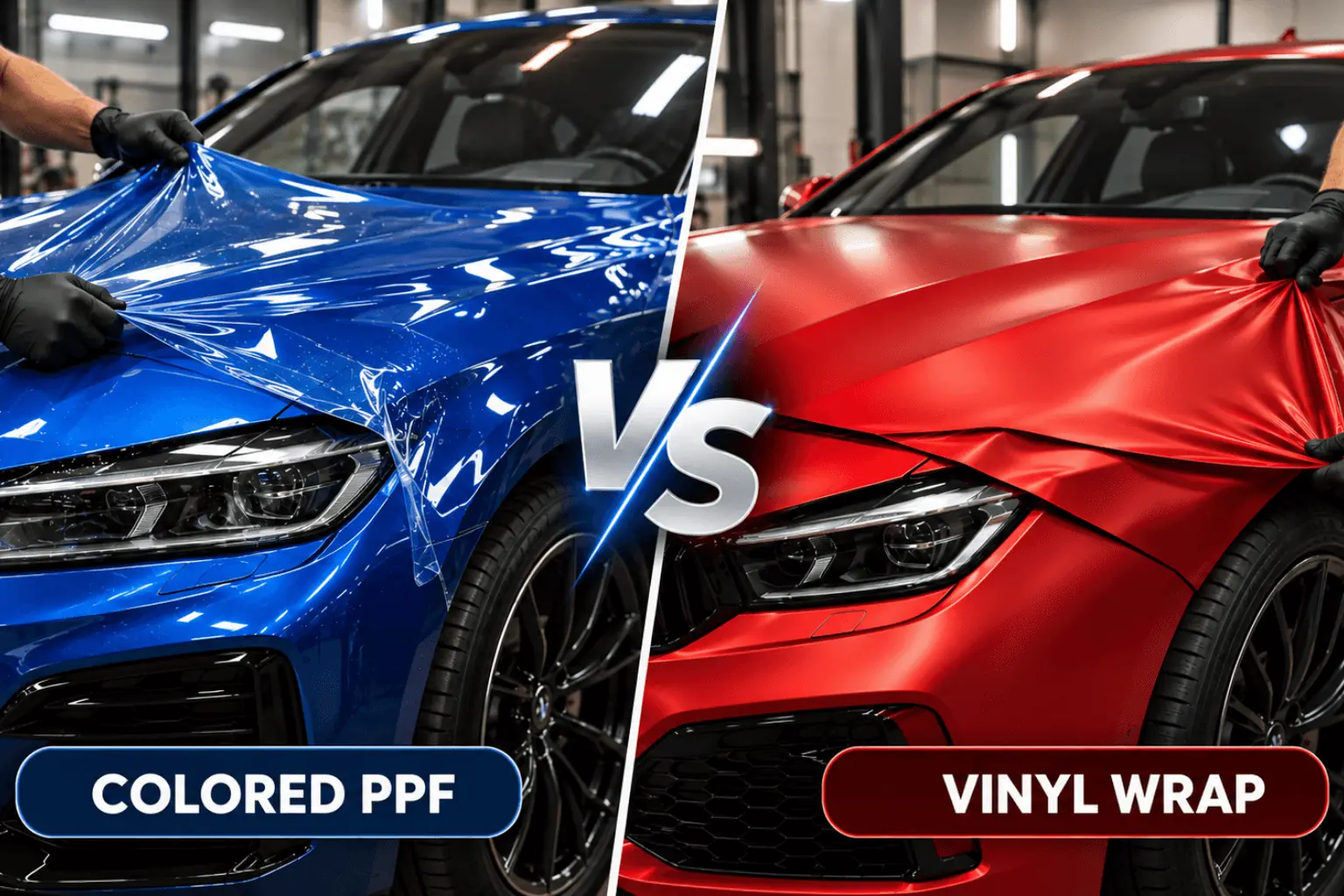
Colored Paint Protection Film (PPF) provides superior stone-chip resistance and self-healing properties, whereas a vinyl wrap is primarily designed for budget-friendly cosmetic color changes. While both transform your vehicle's appearance, colored PPF offers long-term paint preservation, while vinyl provides a temporary, highly customizable aesthetic.
Colored PPF vs Vinyl Wrap: Key Differences
To help you evaluate your options quickly, here is a side-by-side overview of the key differences.
Feature | Colored Paint Protection Film (PPF) | Vinyl Wrap |
| Primary Material | Thermoplastic Polyurethane (TPU) | Typically PVC; premium wraps use cast vinyl |
| Thickness | ~7.5 to 10 mils (approx. 190–254 microns) | ~3.0 to 4.0 mils (approx. 75–100 microns) |
| Paint Protection | High (helps reduce stone chips and abrasion) | Low (primarily for appearance, offers minimal chip protection) |
| Self-Healing | Yes (minor scratches can diminish with heat) | No |
| Finish Quality | Smooth, consistent gloss or matte mimicking factory paint | Varies widely by film range, color, and installation quality |
| Expected Lifespan | Product-dependent; often backed by 7–10 year warranties | Product-dependent; typically 3–5 years depending on exposure |
| Cost | Higher-tier investment | More economical |
Colored PPF and Vinyl Wrap: Materials and Thickness
The core difference lies in the materials and their intended purpose:
- Colored PPF: Made from durable thermoplastic polyurethane (TPU), this material is engineered primarily for physical protection. Modern colored PPF features color-stable formulations that integrate aesthetic appeal with robust defense, typically measuring around 7.5 to 10 mils (approximately 190 to 254 microns) thick.
- Vinyl Wrap: Typically made from polyvinyl chloride (PVC), though premium vehicle wraps commonly use cast vinyl. This material is engineered primarily for visual customization. It is thinner and more pliable, making it easier to conform to complex curves, but it lacks the structural density required for heavy impact absorption.
Which Offers Better Protection Against Stone Chips and Scratches?
When evaluating paint protection film vs vinyl wrap, the level of defense each provides is the most critical distinction.
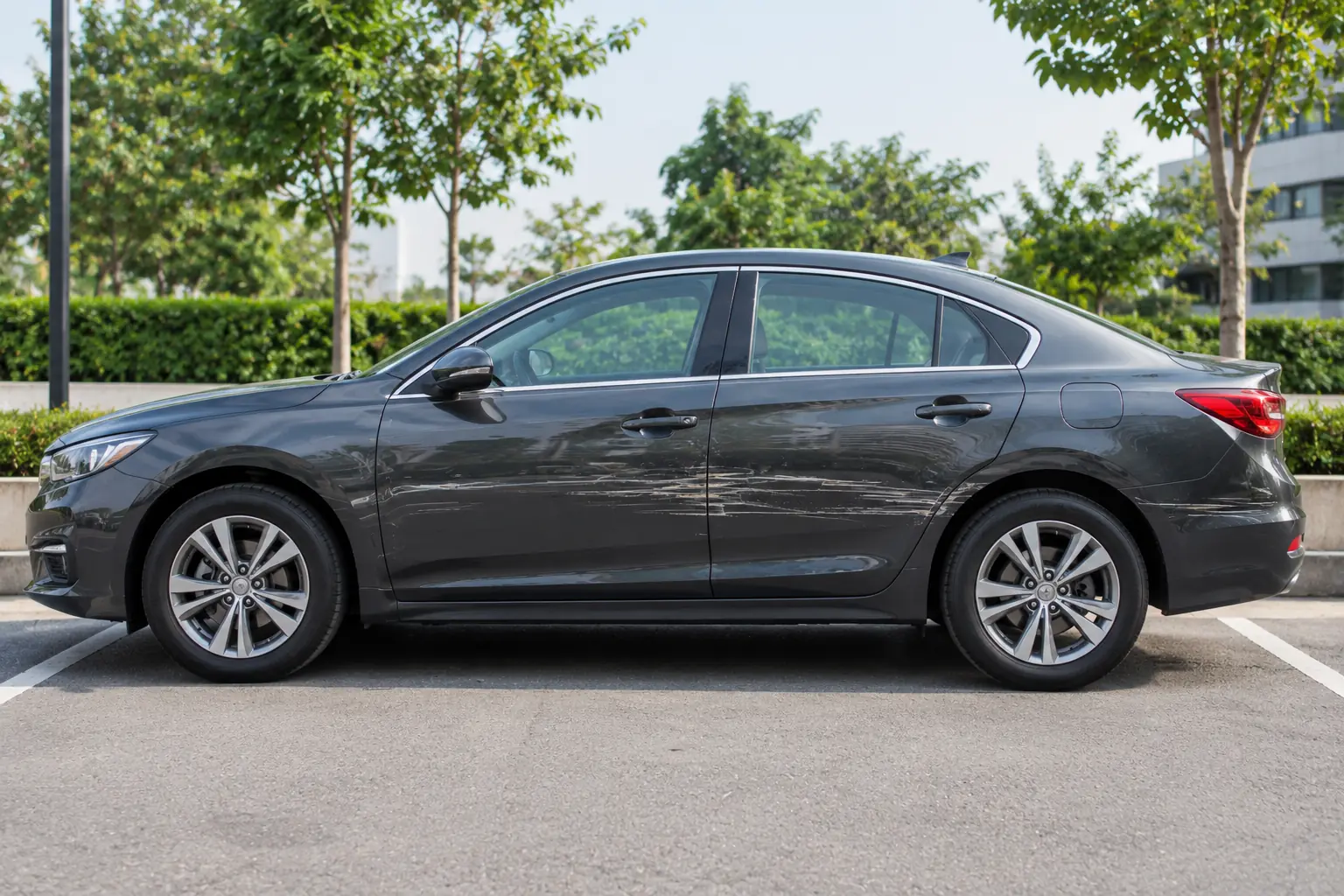
- Colored PPF: Due to its thickness and TPU construction, colored PPF is designed to help reduce damage from stone chips, road debris, and light surface abrasion. Furthermore, it features a heat-activated self-healing topcoat. When exposed to ambient heat or warm water, this topcoat can help minor scratches and swirl marks diminish, maintaining a pristine surface.
- Vinyl Wrap: At approximately half the thickness of PPF, vinyl is primarily designed for appearance changes and offers less stone-chip protection than purpose-designed PPF. While it can protect the underlying paint from light surface scuffs and UV rays, a sharp impact will likely tear the vinyl and potentially damage the paint beneath.
How Do Colors and Finishes Compare?
Both options offer a wide array of colors, but the final visual result differs based on the materials' optical properties.
- Colored PPF: Delivers excellent surface smoothness, gloss, and color consistency. Because it is designed to mimic the appearance of high-quality automotive paint, a well-installed colored PPF closely resembles a factory-sprayed finish.
- Vinyl Wrap: Offers a massive catalog of finishes, including ultra-matte, satin, metallic, gloss, and textured options like carbon fiber or chrome. However, finish quality varies by film range, color, and installation. While premium vinyls look excellent, lower-grade options may exhibit a more textured appearance.
Colored PPF vs Vinyl Wrap Cost: What Affects the Price?
The price difference between the two is substantial, reflecting the disparity in material costs and installation complexity. Colored PPF is a higher-tier investment, while vinyl is the more economical choice for a full visual makeover.
When requesting quotes, ensure you are comparing them on the same basis. A comprehensive quote should account for:
- Vehicle Size and Coverage: Full-body vs. partial panels (e.g., front end only).
- Surface Preparation: Paint correction, decontamination, and panel disassembly (e.g., removing emblems or door handles for edge wrapping).
- Film Grade: Premium branded films cost more but offer better longevity and warranty support.
- Installation Labor: Complexity of the vehicle's curves and the installer's expertise.
- Warranty and Removal: Whether the quoted price includes a manufacturer warranty and the eventual cost of professional removal.
Durability, Maintenance and Removal: What to Expect
- Lifespan: Lifespan estimates are product-dependent. High-quality colored PPF is often backed by 7- to 10-year limited warranties (such as XPEL COLOR PPF). Vinyl wraps typically last 3 to 5 years, though this varies significantly based on climate, panel orientation (horizontal surfaces degrade faster), and maintenance.
- Maintenance: Both require gentle washing with pH-neutral soap and avoiding automatic car washes with stiff bristles. Colored PPF often features hydrophobic properties that make cleaning easier.
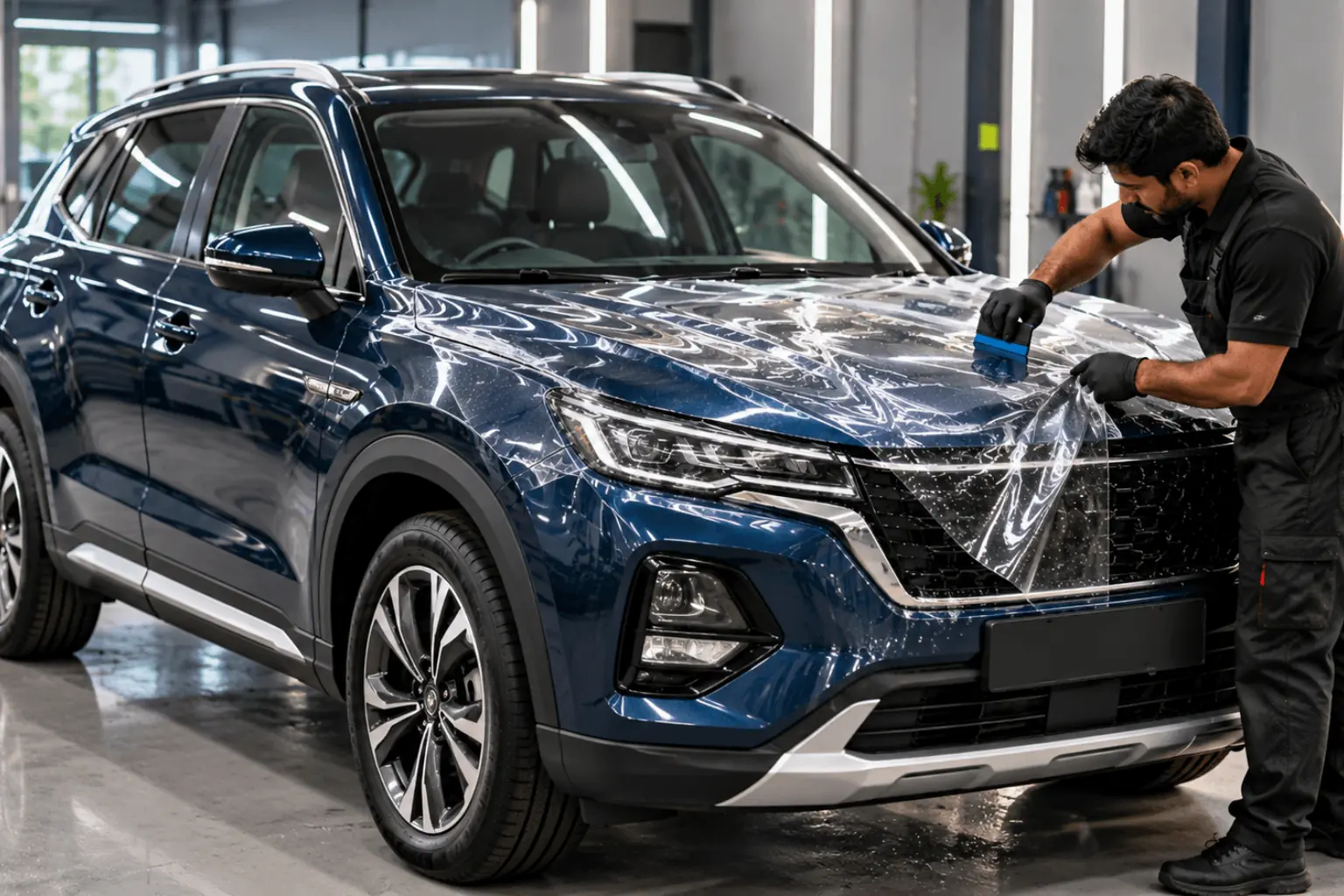
- Removal: Safe removal for both options depends on the paint condition, whether panels have been repainted, the film's age, and the removal technique. Professional installers use controlled heat to soften the adhesive, allowing the film to peel away cleanly. Forcing aged or degraded film can risk damaging the underlying finish.
Which Should You Choose: Colored PPF or Vinyl Wrap?
Your decision should align with your primary goals, budget, and how long you plan to keep the vehicle.
- Choose Colored PPF if: You want long-term paint preservation combined with a color change, you drive daily in environments with road debris, and you want to help preserve the condition of the underlying factory paint for the long haul.
- Choose Vinyl Wrap if: You are budget-conscious, you want a temporary style change or fleet branding, or you are seeking highly specialized finishes (like chrome or color-shift) that are not currently available in PPF.
Final Verdict: Choosing the Right Film for Your Car
Choosing between colored PPF and a vinyl wrap comes down to balancing protection needs, desired appearance, and budget. For those seeking a temporary aesthetic update or specialty textures, vinyl wrap is a practical solution. However, for owners who want to transform their vehicle's look while ensuring maximum defense against environmental damage, colored PPF is the superior choice. Products like the colored PPF offerings from Global Hi-Tech Films provide verified color-stable formulations and self-healing top coats, delivering the aesthetic appeal of a custom finish alongside proven, long-term durability.
FAQs About Colored PPF and Vinyl Wrap
- What is the difference between colored PPF and vinyl wrap?
Colored PPF combines a color change with protection against stone chips and light abrasion. Vinyl wrap primarily changes a vehicle’s appearance and generally costs less. - Does colored PPF offer better paint protection than vinyl wrap?
Colored PPF generally offers stronger stone-chip protection than vinyl wrap. However, neither film makes paint damage-proof, and performance depends on the product and installation. - Is colored PPF more expensive than vinyl wrap?
Colored PPF generally has a higher installed cost. The final quote depends on vehicle size, coverage, film specifications, surface preparation and installation complexity. - Which lasts longer: colored PPF or vinyl wrap?
Colored PPF generally offers longer service life, but durability varies by product, climate, sun exposure, storage and maintenance. Check the manufacturer’s warranty separately from lifespan estimates. - Does colored PPF have self-healing properties?
Many colored PPF products have self-healing topcoats that help minor surface scratches diminish under specified conditions. They cannot repair deep cuts, torn film or damage to the paint beneath. - Can clear PPF be installed over a vinyl wrap?
Clear PPF can be installed over certain compatible vinyl wraps. Ask the installer to confirm the manufacturers’ compatibility guidance, installation requirements and warranty terms before combining them. - Can removing colored PPF or vinyl wrap damage car paint?
Removal can damage weak, poorly bonded or repainted surfaces. Paint condition, film age and removal technique affect the risk, so professional assessment and removal are recommended. - Should I choose colored PPF or vinyl wrap for my car?
Choose colored PPF if you want a color change with stronger paint protection. Choose vinyl wrap if your priorities are a lower initial cost, printed designs or frequent appearance changes.

 English
 German
 Spanish
 French
 Arabic
 Chinese
 Turkish
 Russian