






Ceramic Coating Maintenance: What Should You Do and Avoid?
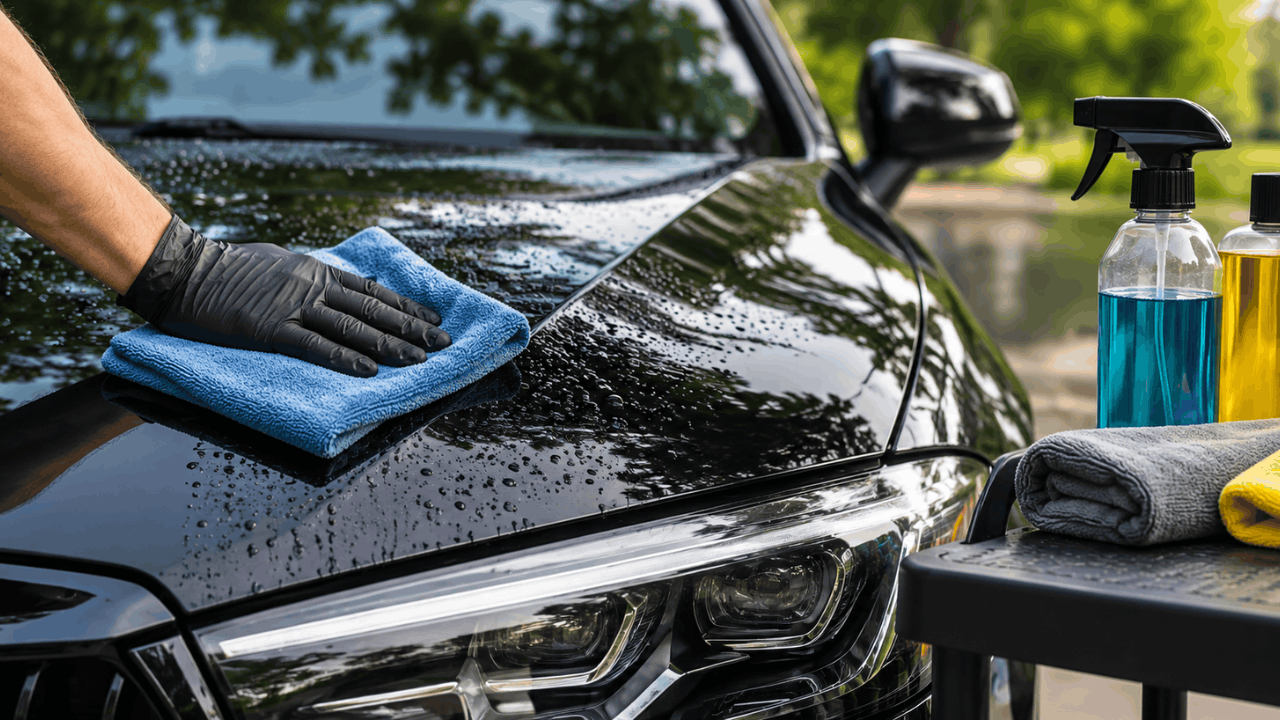
Ceramic coating helps protect your car's paint while maintaining a glossy finish. Its water-repellent properties also make cleaning easier. However, ceramic coating is not maintenance-free. Regular care is necessary to preserve its appearance and performance.
Proper ceramic coating maintenance involves using suitable cleaning products, following safe washing techniques, and avoiding practices that may damage the coating. Whether your car is newly coated or has had ceramic protection for years, understanding the right maintenance routine can help extend its lifespan.
This guide covers essential ceramic coating care tips, washing methods, and common mistakes to avoid.
Why Is Ceramic Coating Maintenance Important?
Ceramic coatings create a protective layer over the vehicle's clear coat. This layer helps repel water, reduces dirt adhesion, and makes cleaning easier.
However, dust, road grime, bird droppings, and mineral deposits can accumulate on the surface over time.
Regular car ceramic coating maintenance helps:
- Maintain the vehicle's gloss and shine.
- Preserve the coating's hydrophobic properties.
- Prevent dirt and contaminants from accumulating.
- Reduce the risk of water spots and surface damage.
- Support ceramic coating durability and longevity.
Without proper maintenance, the coating may gradually lose its water-repellent performance and become harder to clean.
How to Maintain Ceramic Coating on Your Car?
Knowing how to maintain ceramic coating involves following a consistent cleaning routine and using products designed for coated vehicles.
1. Wash Your Car Regularly
Wash your ceramic-coated car every one to two weeks, depending on driving conditions. Vehicles exposed to pollution, dust, or coastal environments may require more frequent cleaning.
Regular washing prevents contaminants from remaining on the surface for extended periods.
2. Use a pH-Neutral Car Shampoo
A pH-neutral car shampoo is generally suitable for routine cleaning because it removes dirt without unnecessarily exposing the coating to aggressive chemicals.
Avoid household detergents, dishwashing liquids, and harsh degreasers. Always follow the shampoo manufacturer's dilution instructions.
3. Follow the Two-Bucket Car Wash Method
The two-bucket car wash method helps reduce the chances of scratching the paint.
Use one bucket for shampoo solution and another for rinsing your wash mitt.
Wash the vehicle from top to bottom, rinsing the mitt frequently to remove trapped dirt.
4. Use Microfiber Cleaning Accessories
A soft microfiber wash mitt helps lift dirt without excessive friction.
Avoid rough sponges, stiff brushes, and dirty towels that may introduce scratches.
Use a separate microfiber drying towel to remove water after washing.
5. Remove Contaminants Quickly
Bird droppings, insect residue, and tree sap should be removed promptly.
These contaminants may affect the vehicle's finish if left untreated. Use a coating-compatible cleaner and avoid aggressive rubbing.
How to Wash a Ceramic Coated Car Safely
Understanding how to wash a ceramic coated car is essential for maintaining its finish.
Follow these steps:
- Park in the shade: Allow the vehicle's surface to cool before washing.
- Pre-rinse the car: Remove loose dust and dirt using clean water.
- Apply car shampoo: Use a suitable automotive shampoo and microfiber wash mitt.
- Wash from top to bottom: Clean one section at a time using gentle pressure.
- Rinse thoroughly: Remove all shampoo residue.
- Dry the surface: Use a clean microfiber towel or automotive air blower.
Avoid automatic car washes with abrasive rotating brushes, as they may cause swirl marks.
Ceramic Coating Do's and Don'ts
Following the right ceramic coating do's and don'ts can prevent unnecessary damage.
Do's | Don'ts |
| Wash regularly with suitable shampoo. | Use harsh household detergents. |
| Use clean microfiber accessories. | Use rough brushes or dirty towels. |
| Wash in a shaded area. | Wash hot panels under direct sunlight. |
| Remove contaminants promptly. | Leave bird droppings or tree sap untreated. |
| Use compatible maintenance products. | Apply abrasive polishes unnecessarily. |
| Follow manufacturer instructions. | Assume ceramic coating is scratch-proof. |
Ceramic Coating Aftercare: What to Do After Application
Proper ceramic coating aftercare is particularly important during the initial curing period.
Most coatings require time to cure completely, although the duration varies by product.
During the first few days:
- Keep the vehicle dry where possible, as instructed by the installer.
- Avoid washing or applying cleaning chemicals.
- Remove harmful contamination using approved methods.
- Avoid applying waxes, sealants, or maintenance sprays.
Some coatings require approximately five to seven days or longer before routine washing.
Always follow the coating manufacturer's specific curing instructions.
How to Maintain the Hydrophobic Properties of Ceramic Coating?
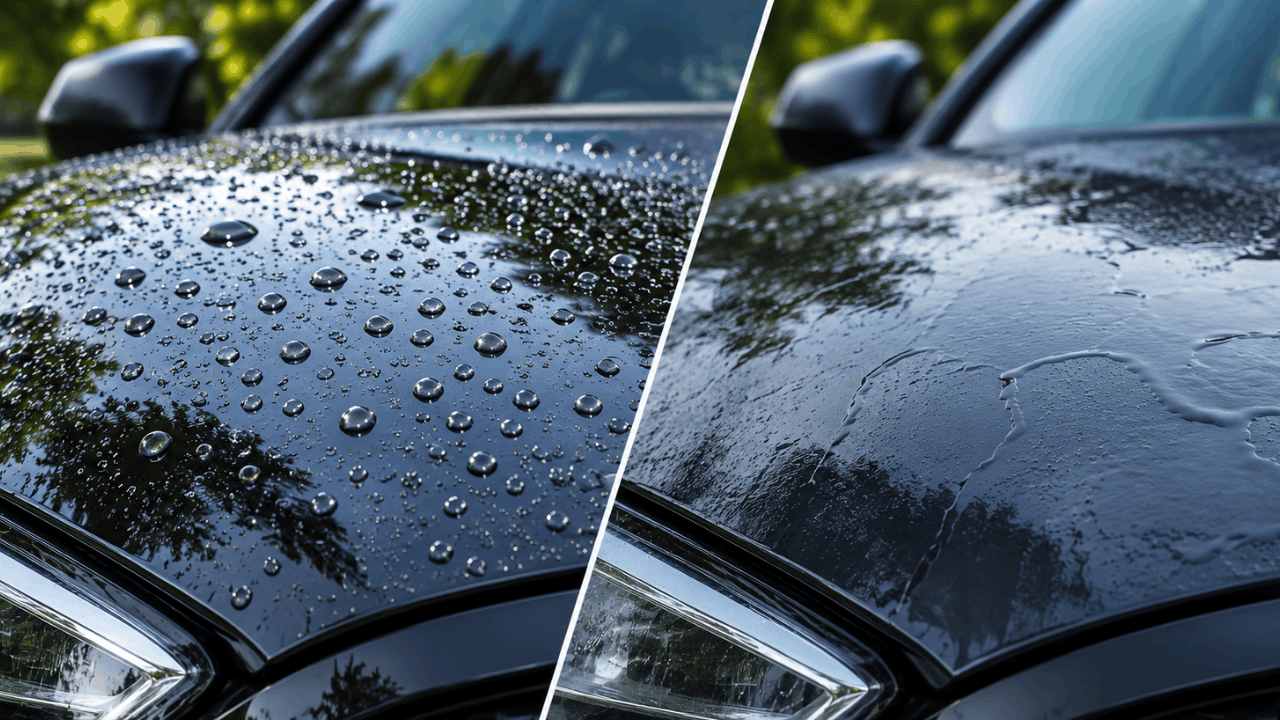
Ceramic coatings are known for their hydrophobic properties, which help water move off the surface.
Two common characteristics include:
- Water beading: Water forms rounded droplets on the paint.
- Water sheeting: Water flows away in larger sheets.
Reduced water beading and sheeting does not always indicate coating failure. Dirt, road film, and mineral deposits may temporarily affect water repellency.
Start with a thorough wash. If necessary, use a coating-compatible decontamination product.
Should You Use a Ceramic Coating Booster?
A ceramic coating booster may help enhance gloss and water repellency.
However, boosters are not always necessary. Use them only when recommended by the coating manufacturer.
Remember that a booster cannot repair scratches or restore a completely worn-out coating.
When Is Paint Decontamination Necessary?
Regular washing cannot always remove bonded contaminants such as iron particles, mineral deposits, and industrial fallout.
Paint decontamination may be necessary when the surface remains contaminated after washing.
Coating-compatible iron removers and mineral deposit removers can help address specific contaminants.
Avoid unnecessary clay-bar treatments or abrasive polishing, as these may affect the coating.
For stubborn contamination, consider professional detailing.
Ceramic Coating Maintenance Schedule
A simple ceramic coating maintenance guide can help you maintain a consistent routine.
Frequency | Maintenance activity |
| Every 1–2 weeks | Wash using pH-neutral shampoo. |
| As needed | Remove bird droppings, tree sap, and water spots. |
| Every 1–3 months | Check gloss and water repellency. |
| As recommended | Apply a compatible coating booster. |
| Every 6–12 months | Consider professional inspection and decontamination. |
Maintenance frequency depends on climate, driving conditions, and the coating manufacturer's recommendations.
Conclusion
Proper ceramic coating maintenance helps preserve your car's gloss, water repellency, and protective performance. Regular washing with a pH-neutral shampoo, using clean microfiber accessories, and removing contaminants promptly can help extend the coating's lifespan.
Whether you're maintaining an existing coating or exploring car protection solutions from Global Hi-Tech Films, following the right care routine is essential. Avoid harsh chemicals, abrasive cleaning tools, and unnecessary polishing to keep your vehicle looking its best for longer.
FAQs About Ceramic Coating Maintenance
- How often should I wash a ceramic-coated car?
Wash your ceramic-coated car every one to two weeks, depending on driving conditions, dust, and pollution levels. - Can I use regular car shampoo on ceramic coating?
Yes, provided it is compatible with ceramic coatings. A pH-neutral car shampoo is generally recommended for routine cleaning. - Can pressure washing damage ceramic coating?
Pressure washing is generally safe when performed correctly. Avoid excessive pressure and spraying too close to the vehicle's surface. - Does ceramic coating require waxing?
No. Ceramic coatings already provide gloss and water-repellent properties, making additional waxing generally unnecessary. - Why has my ceramic coating stopped beading water?
Dirt, road grime, and mineral deposits can reduce water beading. Proper washing or coating-compatible decontamination may restore its hydrophobic performance. - Can I polish a ceramic-coated car?
Abrasive polishing can weaken or remove the ceramic coating. Consult a professional before polishing coated paintwork. - How long does ceramic coating last with proper maintenance?
Ceramic coating durability depends on product quality, application, environmental exposure, and maintenance. Some professionally applied coatings can last several years.

 English
 German
 Spanish
 French
 Arabic
 Chinese
 Turkish
 Russian