





Car Exterior Maintenance Tips: How to Keep Your Car Looking New
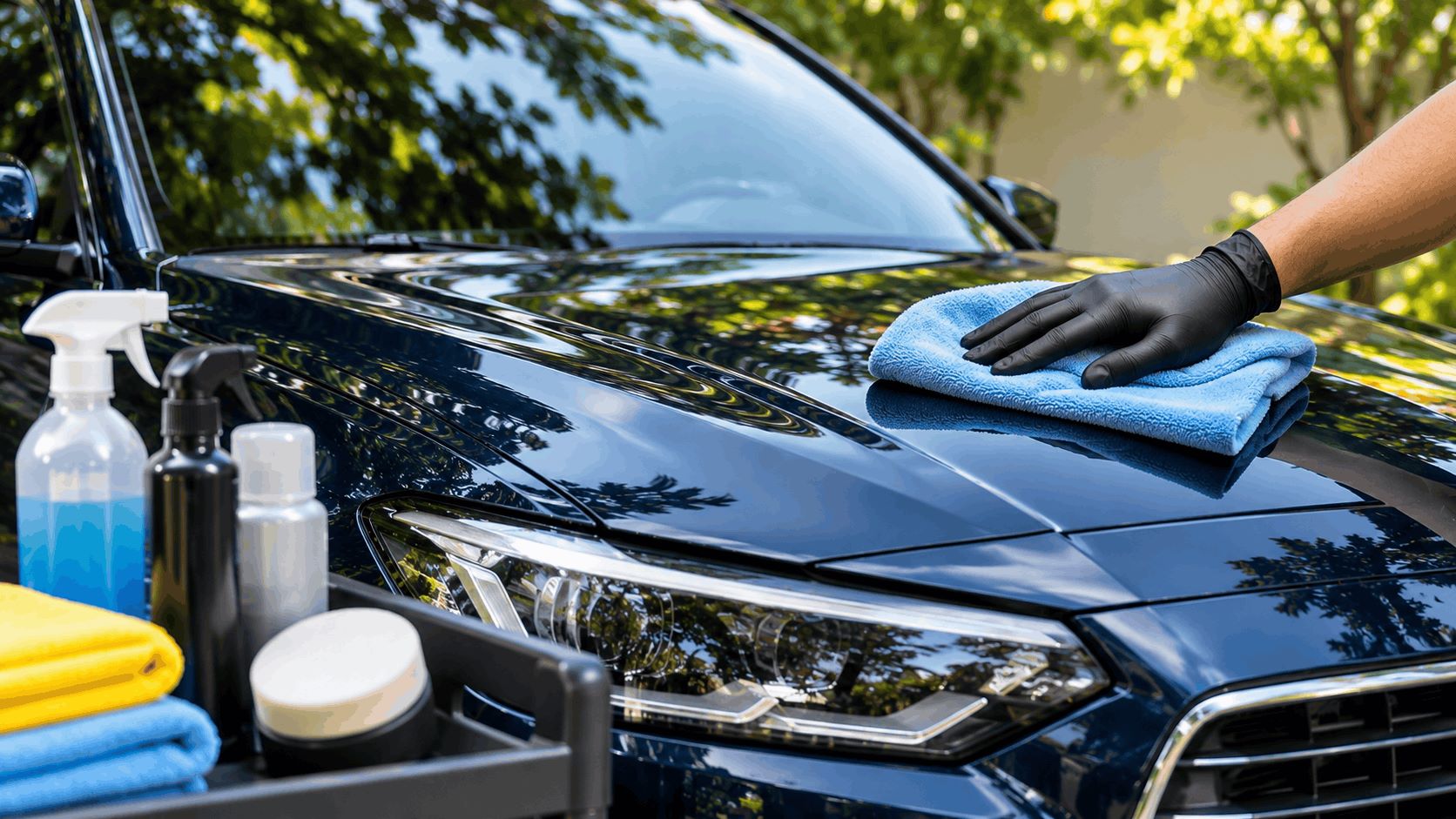
Swirl marks, water spots, and dull trim can make a well-maintained car look older than it is. Keeping the exterior looking good takes more than the occasional trip through a drive-through wash. How you wash, dry, and care for your car between washes makes a difference.
The good news is that most of it is simple. A regular washing routine, prompt cleanup of bird droppings and tree sap, and a few everyday habits can help preserve the finish. Here’s how to care for your paint, wheels, trim, and glass, and when to consider added paint protection.
What Causes Car Paint to Fade, Chip, or Scratch?
Most visible paint damage comes from a handful of everyday sources:
- Sun exposure: Prolonged UV exposure can contribute to fading and a dull finish, especially if you park outdoors regularly.
- Environmental contaminants: Bird droppings, bug splatter, and tree sap can leave marks if they sit too long. Road salt can also build up on lower panels and around wheel wells during winter.
- Swirl marks and scratches: Dirty wash mitts, automatic brush washes, and dry-wiping dusty paint can leave fine marks in the finish.
- Rock chips: Gravel and road debris can chip the paint on your hood, bumper, and mirror caps.
- Hard water spots: When tap or sprinkler water dries on the surface, it can leave mineral deposits behind.
Good washing habits can reduce avoidable wear. Other damage, such as rock chips, calls for a different kind of protection.
How to Wash Your Car Without Leaving Swirl Marks
Washing is the foundation of car exterior maintenance. The goal is to remove dirt without dragging grit across the paint.
- Wash every one to two weeks as a starting point. Adjust based on how often you drive and where you park. Clean bird droppings or sap sooner.
- Rinse off loose dirt first. Pay attention to lower panels, where road grit tends to collect.
- Use the two-bucket method. Fill one bucket with soapy water and the other with clean rinse water. Rinse your microfiber wash mitt after each panel before dipping it back into the shampoo.
- Choose a pH-neutral car shampoo. Use a product made for automotive finishes and follow the care instructions for any film or coating already on the car.
- Wash from top to bottom, in the shade. Leave the dirtiest lower panels until last. Working out of direct sunlight gives you more time to rinse before soap or water dries.
- Dry with a clean microfiber towel. Pat or gently glide the towel over the surface. Avoid scrubbing or letting rinse water dry on the paint.
Exterior Detailing Tips for Paint, Wheels, Trim, and Glass
Go beyond a basic wash when you notice a specific issue, such as rough paint, dull trim, or stubborn wheel grime.
- Clay-bar the paint if it still feels rough after washing. A clay bar can lift embedded contaminants. Use a suitable lubricant and follow the product instructions.
- Polish light defects when needed. A suitable polish can reduce fine swirl marks and restore gloss. Ask a detailer to assess deeper scratches or defects you’re unsure about.
- Clean wheels and tires separately. Use a cleaner suitable for the wheel finish and separate tools so you don’t transfer brake dust and grit to the paint.
- Treat trim and glass with suitable products. Use a trim protectant that matches the finish and a glass cleaner that wipes away without streaks.
Car Paint Protection Compared: Wax, Sealant, Ceramic Coating, and PPF
Choose protection based on the problem you want to solve. Easier washing and better resistance to road debris are different goals.
Option | What It Does | When to Consider It |
| Wax | Adds gloss and a temporary protective layer | You want a simple finish you can refresh yourself |
| Paint sealant | Adds a synthetic layer that can last longer than wax | You prefer less frequent reapplication |
| Ceramic coating | Adds water repellency and can make routine cleaning easier | Gloss and easier upkeep are your priorities |
| Paint protection film (PPF) | Adds a physical barrier that helps reduce chips and light abrasions on covered panels | Road debris or scuffs are your main concern |
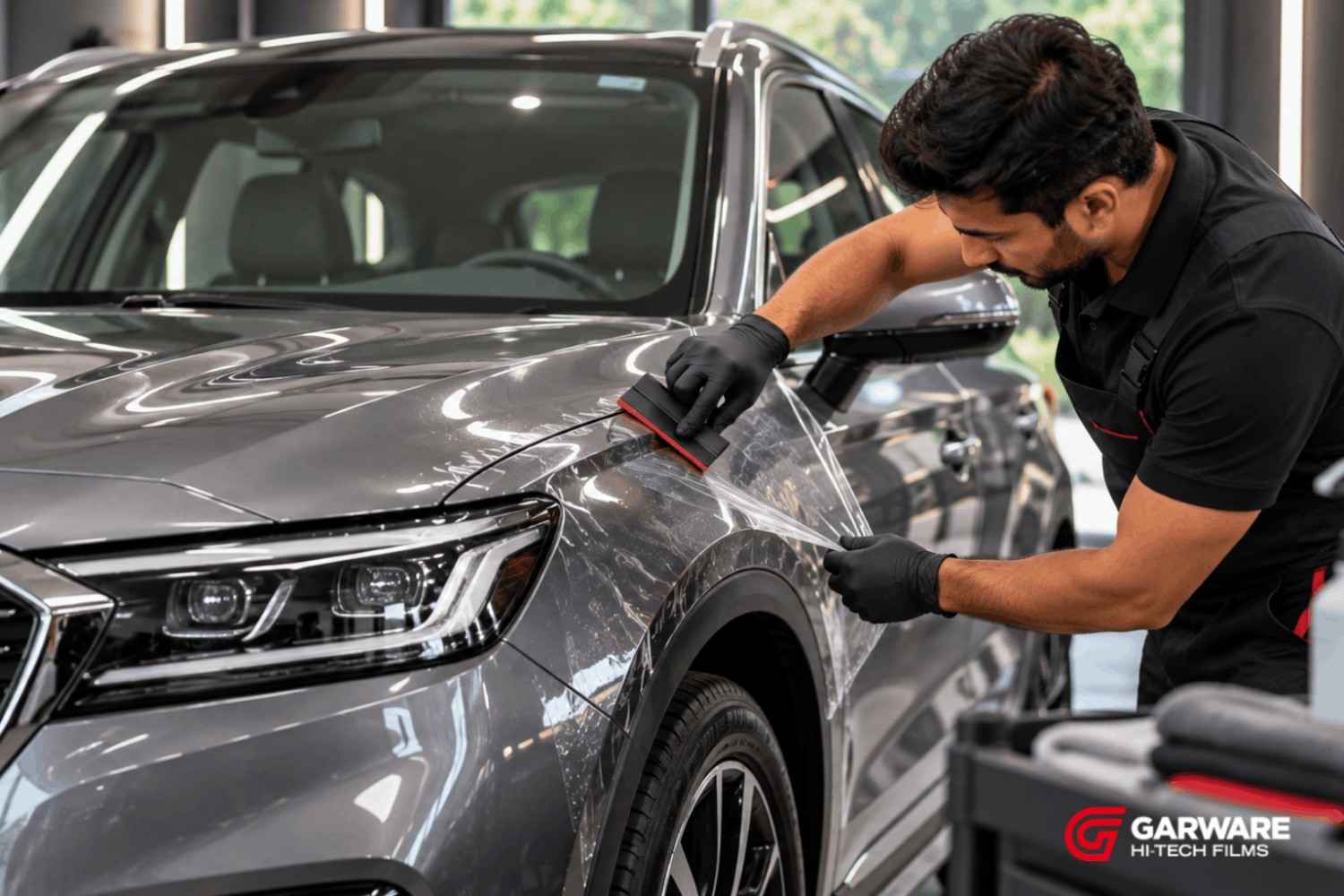
Ceramic coating can make paint easier to clean, but it isn’t designed to stop rock chips. If you drive on highways often, consider paint protection film on exposed areas such as the front bumper, hood, fenders, and mirror caps. Some films have a self-healing topcoat that can reduce the appearance of light marks in the film itself.
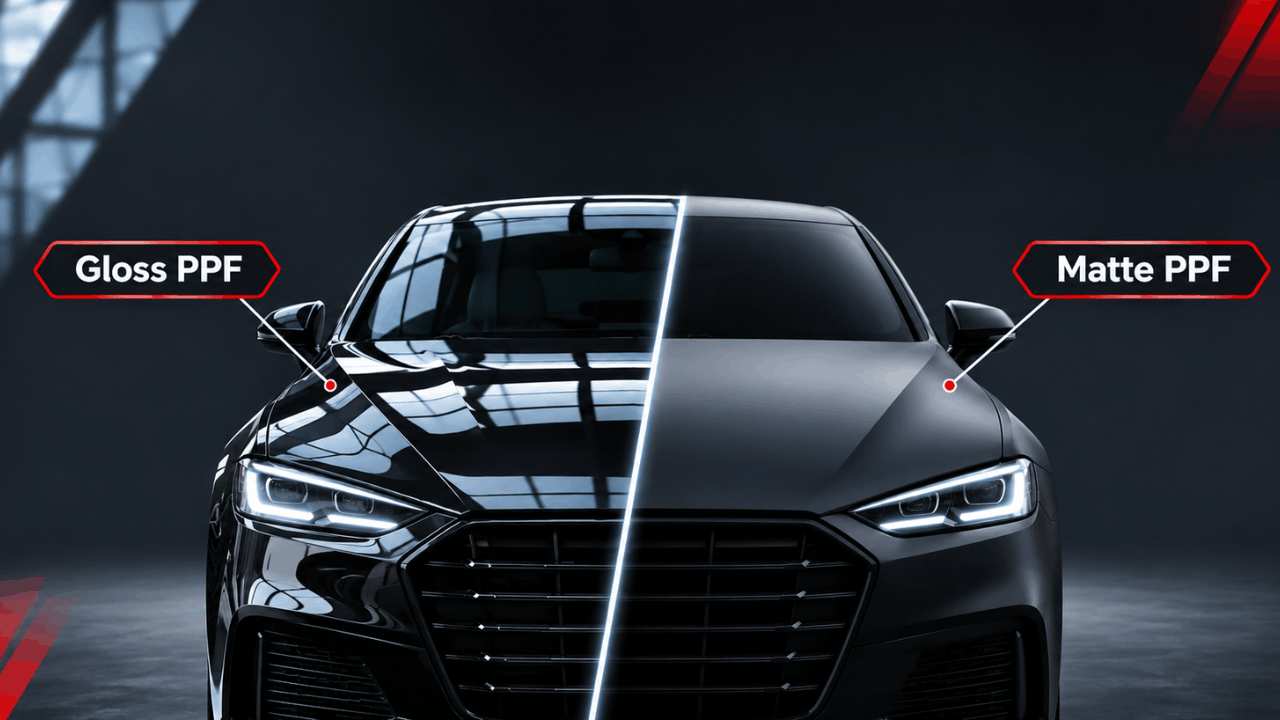
Global Hi-Tech Films offers clear gloss and matte PPF options. Compare samples if you want to preserve the existing look or change the sheen. For advice specific to a vehicle you’ve just bought, see the new car protection checklist.
How to Protect Your Car’s Exterior Between Washes
- Park in the shade or a garage. This limits direct sun exposure when the car is parked.
- Use a car cover carefully. If you park outdoors, choose a soft-lined, breathable cover. Put it on only when the car is clean and dry so trapped grit doesn’t rub against the paint.
- Remove contaminants quickly. Keep a suitable detail spray and a clean microfiber towel in the trunk. Soften bird droppings or bug splatter before wiping rather than scrubbing them dry.
- Rinse off road salt in winter. Pay attention to lower panels, wheel wells, and the undercarriage.
- Avoid automatic brush washes if swirl marks are a concern. Follow the manufacturer’s washing instructions if your car has PPF or a coating.
- Touch up chips early. If a chip exposes bare metal, have it assessed or use a suitable touch-up product for a small chip.
Build a Routine That Preserves Your Car’s Finish
Start with the basics: rinse away loose grit, wash with clean microfiber tools, and dry the car before water spots form. Between washes, remove contaminants promptly and keep an eye on chips. If you want added protection, choose it based on how you drive, where you park, and the wear you actually see.
Car Exterior Maintenance FAQs
- How often should I wash my car?
Every one to two weeks is a practical starting point. Wash sooner if you drive on salted roads, park under trees, or notice bird droppings or bug splatter. - How can I prevent hard water spots after washing?
Wash in the shade and dry the car with a clean microfiber drying towel before the rinse water evaporates. Check mirrors and trim for water that can drip onto panels after drying. - When should I clay-bar my car?
Consider it when the paint still feels rough after a thorough wash. Use it as needed and follow the product instructions, especially if the car has a coating or film. - How can I remove swirl marks and light scratches from car paint?
Polishing can reduce some light marks in the clear coat. Ask a detailer to assess deeper scratches before trying to polish them out. - Can automatic car washes damage car paint?
Brush-style washes can leave swirl marks, particularly if grit gets caught in the brushes. If your car has a film or coating, check its care guidance before using an automatic wash. - Is ceramic coating better than PPF?
It depends on your goal. Ceramic coating helps with water repellency and routine cleaning. PPF is more relevant when you want a physical barrier against stone chips and light abrasions on specific panels. - How can I protect car paint from sun damage?
Park in a garage or shaded spot when possible. If you’re comparing waxes, sealants, coatings, or films for UV protection, check the claims for the specific product.

 English
 German
 Spanish
 French
 Arabic
 Chinese
 Turkish
 Russian