


Can Window Tint Reduce EV Cabin Cooling Demand? What Electric Vehicle Owners Should Know
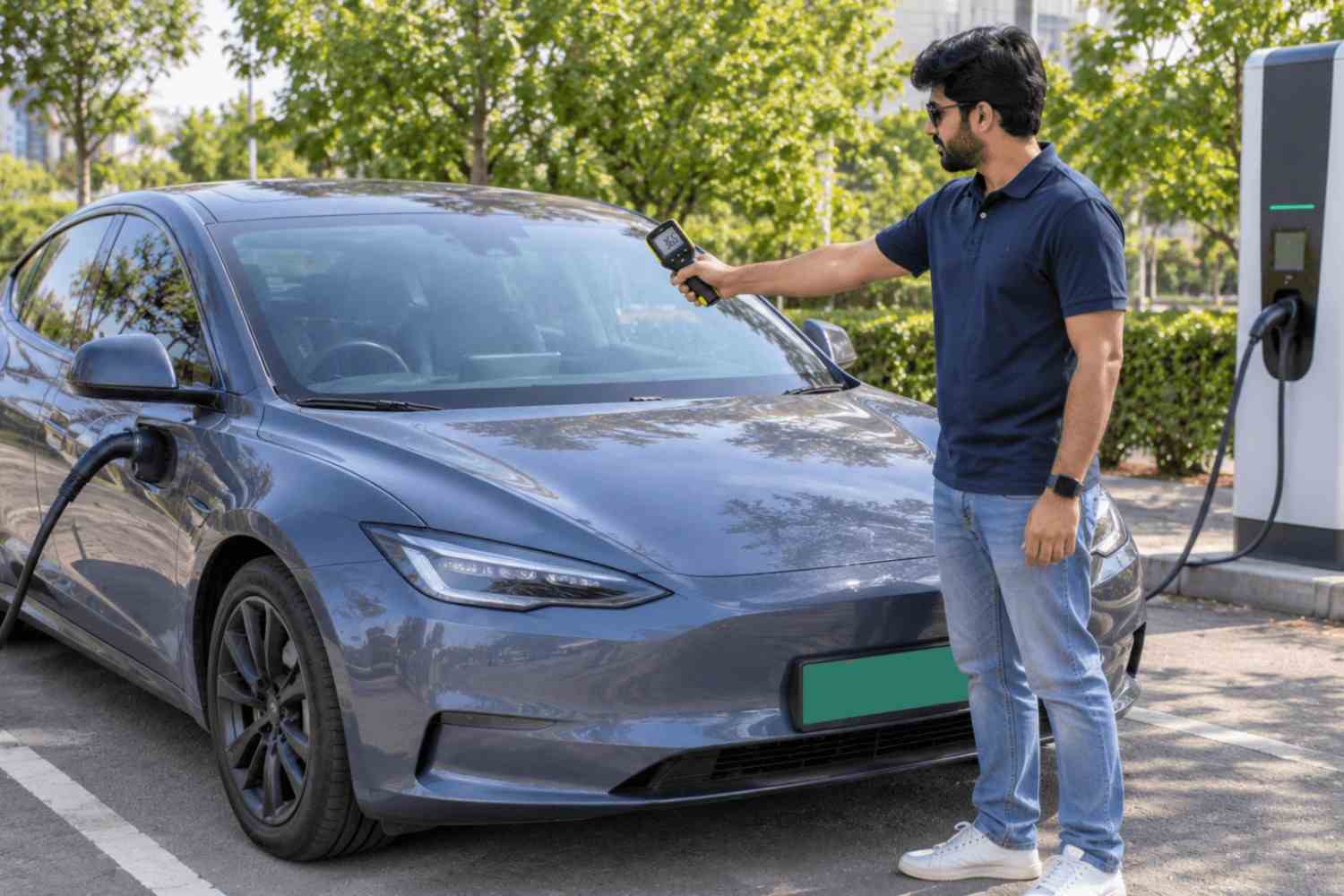
High-performance window tint can reduce solar heat entering an electric vehicle's cabin, potentially lowering its cooling demand. Since an electric vehicle (EV) draws power for air conditioning from its traction battery, managing cabin temperature can influence energy consumption. The right EV window tint cooling solution may reduce the effort required to cool the interior, particularly in hot weather. However, it does not guarantee a specific increase in driving range.
Here is what EV owners should know about window tint performance, cabin heat, and choosing a film that suits their vehicle.
Why Does Cabin Cooling Affect EV Energy Consumption?
Unlike conventional vehicles, EVs use battery power to operate their climate control systems. When parked in direct sunlight, the cabin can heat up quickly. Seats, dashboards, and other interior surfaces absorb solar heat, increasing the cooling required to reach a comfortable temperature.
This puts additional load on the HVAC system and can affect energy consumption, especially during summer.
How Does Window Tint Reduce Heat Entering an EV Cabin?
Automotive window films limit the amount of solar energy entering through the glass. High-performance films can also reject infrared heat, helping keep cabin surfaces cooler.
The type of film matters as much as its shade. Ceramic and nano-ceramic tints are designed to deal with solar heat without making the windows excessively dark. This is an important consideration when selecting window tint for electric vehicles, where cabin comfort and clear visibility both matter.
Can Window Tint Reduce EV Air Conditioning Demand?
Yes. Lower solar heat gain can reduce the initial cooling effort required when an EV has been parked outdoors. The air conditioning system may also need less energy to maintain the selected cabin temperature.
How much the cooling demand drops will depend on the vehicle, the weather, and how long it stays exposed to sunlight. A heat-rejection window film for an EV can help limit the heat entering through the glass, although the difference may not be the same across all vehicles.
TSER, IR Rejection and VLT: Which Tint Ratings Should EV Owners Check?
Three specifications help evaluate the heat-rejection performance of an electric vehicle’s window tint.
Metric | What It Indicates |
TSER | Total Solar Energy Rejected. Indicates how much solar energy the film and glass combination blocks. |
IR Rejection | Indicates the film's ability to reject infrared energy within a specified wavelength range. |
VLT | Visible Light Transmission. Measures how much visible light passes through the glass. |
These specifications should be assessed together. A darker film does not necessarily provide better heat rejection, so EV owners should compare the technical data rather than judge a film by its appearance.
Can Window Tint Improve EV Driving Range in Hot Weather?
Running the air conditioner for extended periods can add to an EV's energy consumption, particularly on hot days. By limiting the amount of heat entering the cabin, window tint may reduce some of the cooling effort required. This is where the discussion around EV window tint’s range becomes relevant.
However, the difference in energy consumption will depend on the weather, driving distance, sun exposure, cabin size, and AC settings. Window tint should not be seen as a way to guarantee extra miles, but it may help reduce one of the factors contributing to battery consumption.
Can You Tint EV Panoramic Roofs and Large Glass Areas?
Many EVs feature large windshields and panoramic roofs, which can increase exposure to direct sunlight. Installing panoramic roof tint on an EV may help control heat entering through these surfaces.
Panoramic roofs are not all made the same way. Some have factory-applied coatings, while others use specially treated glass. Applying a film without checking these details can affect its suitability, so it is worth having the roof assessed by an experienced installer first.
How to Choose Window Tint for Your Electric Vehicle
When comparing ceramic tint for EVs, consider more than the shade or price. The film should offer suitable heat rejection and remain compatible with the vehicle's glass and electronics.
Keep these factors in mind:
- Heat rejection: Compare TSER and IR rejection specifications.
- Film technology: Consider non-metallic films to minimize potential signal interference.
- Glass compatibility: Check suitability for windshields, side windows, and panoramic roofs.
- Legal compliance: Ensure the selected VLT meets local tint regulations.
- Product documentation: Request the technical data sheet and warranty details.
- Installation: Choose an experienced professional familiar with EV glass.
Some EV owners may also use cabin preconditioning to cool the vehicle before a journey, preferably while it is connected to a charger. A suitable heat-rejection film, such as the options available from Global Hi-Tech Films, is another consideration for managing solar heat entering through the windows.
Common Mistakes to Avoid When Choosing EV Window Tint
Choosing the wrong window film can lead to issues with heat control, visibility, or glass compatibility. Here are some common mistakes EV owners should watch out for:
- Assuming a darker tint always provides better heat rejection.
- Expecting guaranteed range improvements.
- Overlooking heat entering through panoramic roofs.
- Installing films without checking glass compatibility.
- Ignoring local VLT regulations.
- Choosing metallic films without checking signal compatibility.
Keeping these points in mind can help avoid problems when selecting window tint for an EV.
Final Considerations Before Tinting Your EV
Window tint can help reduce solar heat entering an EV cabin, potentially lowering the energy required for cooling. While this may support better energy efficiency, the effect on driving range varies with vehicle design, climate, and usage.
Before getting window tint installed, EV owners need to check whether the film suits their vehicle's glass and meets local regulations. Heat control should be the main reason for choosing a film, rather than the expectation of getting more miles from a single charge.
FAQs
1. Can window tint reduce the amount of energy an EV uses for air conditioning?
Yes. By limiting solar heat entering the cabin, window tint may reduce the energy required to cool the interior.
2. Does ceramic window tint help keep an EV cabin cooler?
Yes. Depending on the film's specifications, ceramic window tint can reduce solar heat transmission while maintaining good visibility.
3. Can window tint improve EV range in hot weather?
It may help indirectly by reducing HVAC energy consumption. However, the actual range benefit varies with driving and weather conditions.
4. Which tint metric matters most for reducing EV cabin heat?
TSER is useful for evaluating overall solar energy rejection. IR rejection and VLT should also be considered.
5. Is a darker tint better for lowering EV cooling demand?
No. Darkness alone does not determine heat rejection. Film technology and performance specifications matter more.
6. Should panoramic glass roofs on EVs be tinted for heat control?
It may help reduce solar heat entering through the roof. However, the film must be compatible with the glass and its existing coatings.
7. Can metallic tint interfere with EV connectivity or vehicle signals?
Yes. Metallic layers in some films can affect radio signals. Check this before choosing a film for your EV.
8. What should EV owners check before choosing heat-rejection window tint?
Check the film's TSER, IR rejection, and VLT ratings. Also confirm that it suits your vehicle's glass, meets local tint rules, and has a valid warranty.
.png)
.png)
 (1).png)

 English
 German
 Spanish
 French
 Arabic
 Chinese
 Turkish
 Russian