



Can PPF Damage Car Paint? Risks and How to Avoid Them
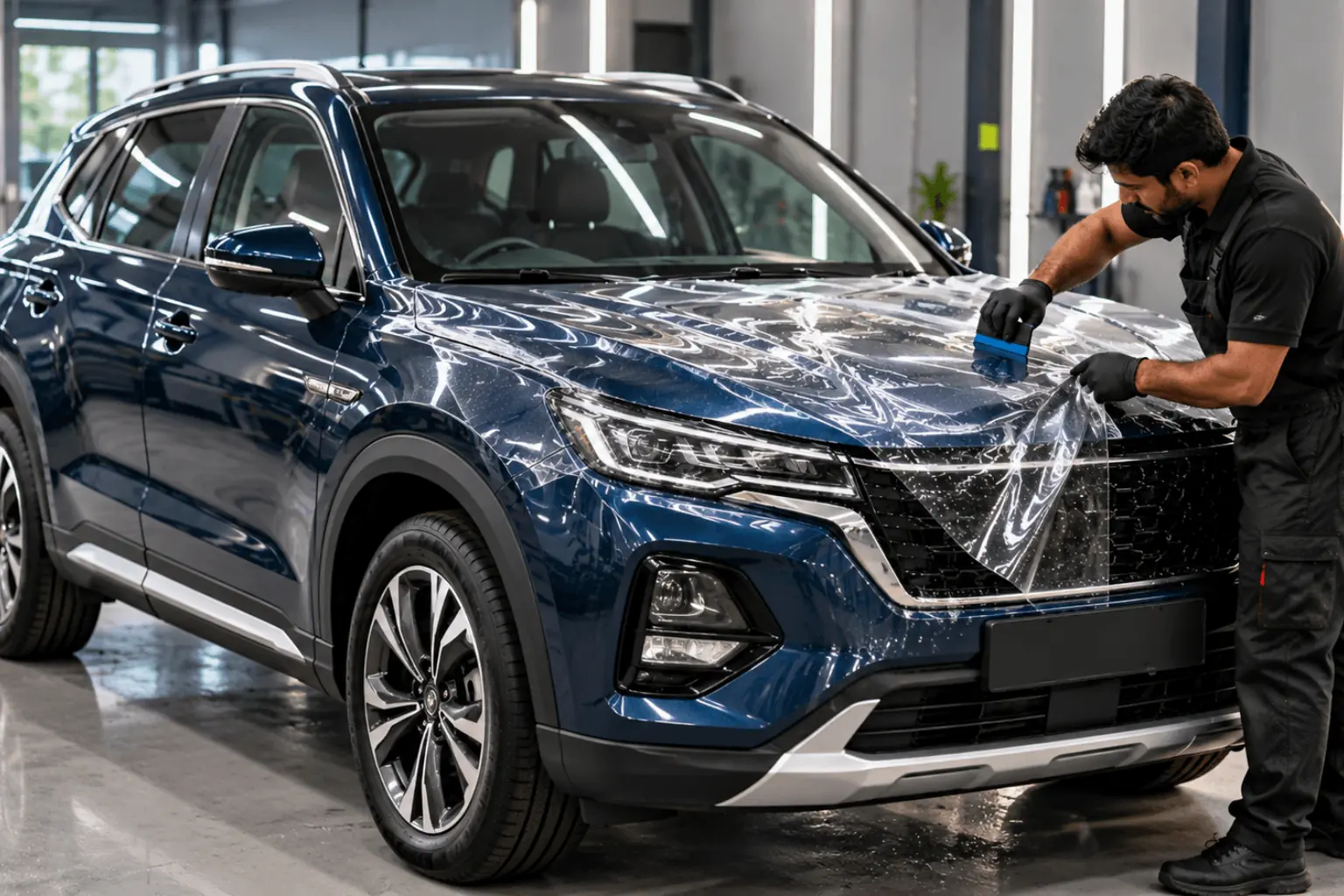
When considering advanced automotive care, a common question arises: can PPF damage car paint? The short answer is no. High-quality Paint Protection Film (PPF) does not damage healthy factory car paint. Instead, it acts as a clear, shock-absorbing barrier that protects the underlying finish from stone chips, light scratches, and environmental wear.
However, paint protection film problems can occur under specific, avoidable conditions. Understanding the difference between proper application and common pitfalls is essential for making an informed decision about your vehicle's care. This guide breaks down the real risks, explains how to avoid them, and helps you protect your investment safely.
Is Paint Protection Film Safe for Factory Car Paint?
Modern, premium paint protection film is specifically engineered with advanced, pressure-sensitive adhesives. These adhesives are designed to bond securely to a vehicle's clear coat without chemically reacting with it or degrading the paint over time. When applied to healthy, factory-original paint, PPF is generally safe and serves as a sacrificial layer that absorbs damage so your paint does not have to.
The fear of paint protection film damage to paint typically stems from outdated materials, improper techniques, or pre-existing issues with the vehicle's finish, rather than the technology itself.
When Can PPF Damage Car Paint?
While the film itself is safe, PPF installation risks and long-term issues can arise if certain factors are ignored. Damage usually occurs under the following avoidable conditions:
- Repainted or Non-Factory Panels: If a panel was resprayed and the paint has poor adhesion, the PPF adhesive can peel or lift the clear coat and paint off during removal.
- Low-Quality Film: Cheap or inferior films often use aggressive or low-grade adhesives. Over time, these adhesives can harden, crack, or bond too tightly to the surface, leading to PPF adhesive damage to car paint upon removal.
- Exceeding the Film's Lifespan: Most quality PPF typically lasts 5 to 10 years, though this varies based on the specific product, climate, maintenance, and environmental exposure. Leaving old film on a vehicle far past its recommended lifespan causes the material to degrade and become brittle, significantly increasing removal risks.
- Improper Removal: Tearing off PPF too quickly, without the application of proper heat, or pulling at the wrong angle can stress and lift the paint.
Can Removing PPF Cause Paint Peeling or Clear Coat Damage?
A major concern for many owners is PPF removal damage. Can removing PPF damage paint? The answer depends entirely on the removal technique and the condition of the film and underlying finish.
Professional paint protection film removal is a controlled process. Installers apply steady, moderate heat to soften the adhesive, allowing the film to be peeled away slowly and cleanly at a low angle. This method ensures the adhesive releases from the clear coat without pulling it.
Conversely, ripping cold, aged, or low-quality film off forcefully can indeed cause damage. If the adhesive has degraded or the clear coat was already compromised, forceful removal can lead to paint peeling after removing PPF. This is why professional removal is highly recommended, especially for older films.
Is PPF Safe for Repainted Car Panels?
Applying PPF on repainted cars requires extra caution. While it is possible, the fresh paint must be fully cured before any film is applied. This curing process typically takes 30 to 60 days, though this varies depending on the paint system, repair process, and the paint manufacturer's guidance. It is always best to confirm readiness with both the body shop and the PPF installer.
Applying PPF too soon can trap residual solvents beneath the film, causing bubbling or discoloration. More critically, the adhesive bond may be stronger than the bond between the new paint and the primer, leading to the paint peeling off when the film is eventually removed.
How to Prevent Paint Damage During PPF Installation and Removal
To help guarantee that your vehicle's finish remains protected, follow these best practices:
Choose Quality PPF and Suitable Adhesives
Avoid unverified budget shops that use inferior materials. Poor-quality installation and cheap materials are primary causes of premature yellowing, lifting, and adhesive residue. Reputable manufacturers, such as Global Hi-Tech Films, produce advanced protective films utilizing engineered adhesives designed to minimize residue and protect factory paint. These premium materials are rigorously tested to ensure they provide reliable protection without compromising the underlying finish.
Check the Vehicle's Paint History
Always inform your installer if any part of the car has been repainted, repaired, or wrapped. This allows them to assess the risk, test adhesion, and adjust their material choice or installation technique accordingly.
Choose Experienced PPF Installers
Experienced, certified installers use specialized techniques, such as pre-cut patterns or bulk installation with extreme care, to avoid blade contact with the paint. They also know how to properly prepare the surface to prevent trapping dirt or debris under the film.
Replace PPF Before It Deteriorates
Do not leave PPF on the vehicle indefinitely. Plan to have the film inspected and potentially replaced before it breaks down from years of sun and weather exposure, ensuring a cleaner and safer removal process.
Protect Your Car Paint With the Right PPF and Professional Care
The concern that PPF will damage your vehicle's finish is largely a myth when you are dealing with reputable products and professional installers. High-quality paint protection film is designed to be a removable shield that preserves your car's appearance and resale value.
By verifying your paint history, choosing premium materials from trusted manufacturers like Global Hi-Tech Films, and relying on certified professionals for both installation and removal, you can enjoy the benefits of PPF with greater confidence. Protecting your car's paint is an investment, and approaching it with the right knowledge ensures that your vehicle remains pristine for years to come.
FAQs About PPF and Car Paint Damage
- Can PPF damage factory car paint?
High-quality PPF should not normally damage healthy factory paint when installed and removed correctly. Existing paint defects, unsuitable materials and poor removal techniques can increase the risk. - Can removing PPF cause car paint to peel?
Yes. Paint can lift if it has poor adhesion, was repainted incorrectly or is already deteriorating. Forceful removal of old film can increase this risk. - Is PPF safe for repainted car panels?
PPF can be applied to suitable repainted panels once the paint has fully cured. Confirm readiness with the body shop and have the installer assess the finish before application. - Can PPF adhesive damage the clear coat?
Suitable PPF adhesive should not normally harm a sound clear coat. However, deteriorated film, weak paint adhesion and improper removal can lead to residue or paint lifting. - How can you remove PPF without damaging car paint?
Have an experienced professional remove it using the film manufacturer’s recommended method. Controlled heat and careful peeling help reduce stress on the underlying paint. - Can PPF installation leave knife marks on car paint?
Yes, careless cutting directly on the vehicle can damage the paint. Choose an experienced installer who uses pre-cut patterns or suitable techniques to avoid blade contact. - When should you replace PPF to avoid removal problems?
Follow the manufacturer’s service-life guidance and arrange inspections if the film shows cracking, brittleness or lifting. Replace deteriorating film before it becomes difficult to remove. - How can you reduce the risk of PPF damaging your car?
Choose a reputable film and experienced installer, disclose any paint repairs, and check the finish before installation. Follow maintenance guidance and use professional removal when replacement is needed.

 English
 German
 Spanish
 French
 Arabic
 Chinese
 Turkish
 Russian