


How to Protect Your Car with PPF in Harsh U.S. Winter Conditions
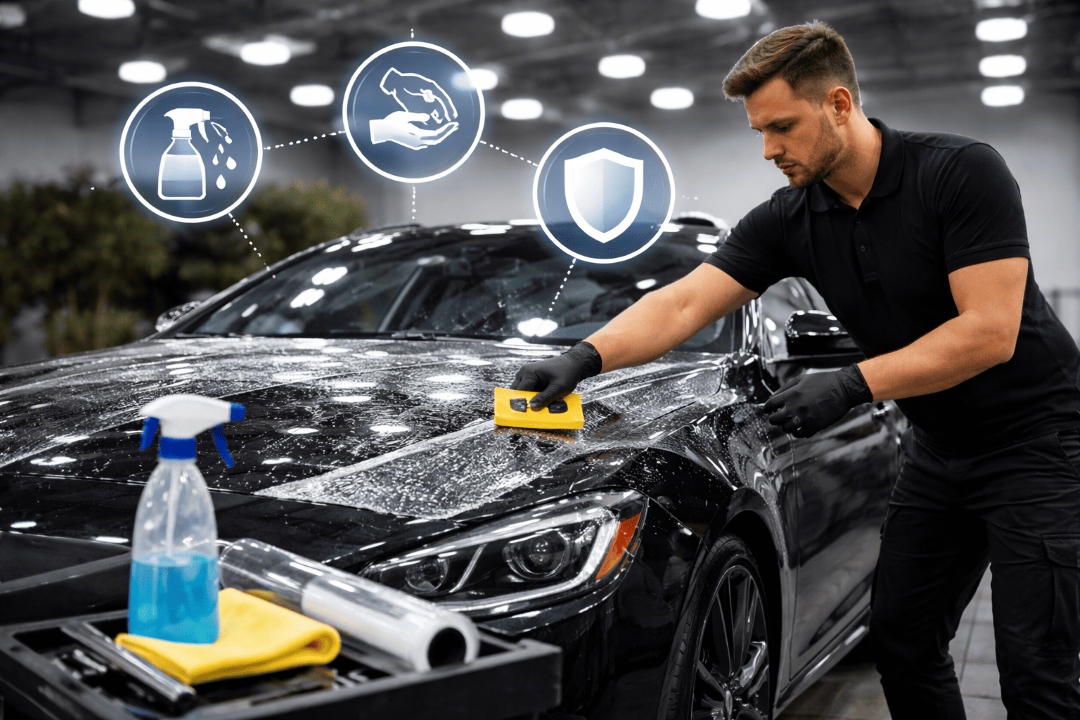
When it comes to winter car paint protection in the US, Paint Protection Films, or PPFs, have become a must-have rather than a luxury. It is a transparent, durable film made from Thermoplastic Polyurethane that is applied over your car’s painted surfaces to shield it from scratches, chemical exposure, and environmental damage.
The USA’s winter conditions can be aggressive on a car's paint. Roads are frequently treated with salt and chemical de-icers, both of which are highly corrosive and stick to the vehicle’s lower panels and wheel arches. Snow, ice, and slush create abrasive conditions while freeze-thaw cycles repeatedly expand and contract the surface, weakening the paint's integrity over time. Even routine snow removal using scrapers or brushes can introduce swirl marks and micro-scratches.
In such an environment, car PPFs for winter act as a sacrificial barrier, absorbing damage before it can reach the actual paintwork, making it one of the most effective solutions for preserving your car during winter.
Why Winter is Harsh on Car Paint in the U.S. (Road Salt, Snow & Damage Explained)
Winter introduces a combination of chemical, mechanical, and environmental stressors that can accelerate paint degradation and increase the need for paint protection films in winter:
Road Salt and De-icers
Salt and chemical de-icing agents are essential for road safety, but extremely damaging to vehicles. These substances cling to paint and metal surfaces, especially around wheel wells, undercarriages, and lower doors. Over time, they can cause oxidation, staining, and even corrosion if not removed regularly.
Ice & Snow
While snow seems harmless, the process of removing it is not. Ice scrapers, stiff brushes, and even gloves can cause fine scratches or swirl marks on the paint, and repeated exposure can amplify this wear.
Freeze-Thaw Cycles
Constant temperature changes can cause the material to expand and contract. If your paint already has minor chips or weak spots, these cycles can worsen them, leading to peeling or cracking. Poor-quality films may also fail under such stress.
Slush and Debris
Winter roads often become a mixture of mud, grit, melted snow, and debris. When this slurry hits your vehicle at speed, or is wiped during cleaning, it can cause micro-abrasions across the paint surface.
How Paint Protection Film Protects Your Car in Winter Conditions
PPF protection for cars is engineered to counter these types of damage and has multiple properties, such as:
PPF Scratch Resistance
The film has an elastomeric top layer that absorbs minor abrasions from snow brushes, ice scrapers, and road debris. Instead of damaging the paint, the film acts as a winter scratch protection, absorbing this impact.
Hydrophobic PPF
High-quality PPFs, like the range by Global Hi-Tech Films, include hydrophobic properties. This means that water, snow, and slush slide off easily. This reduces the adhesion of dirt, grime, and salt, making it easier and safer to clean.
PPF as a Chemical Barrier
Winter car paint protection also acts as a shield against corrosive substances like road salt, de-icers, bird droppings, and acidic contaminants. These chemicals interact with the film rather than the paint, preventing long-term damage.
PPF Durability in Extreme Cold & Freeze-Thaw Cycles
Premium PPF materials are also designed to remain flexible and adhesive even in sub-zero temperatures. They resist cracking, peeling, or losing adhesion during repeated freeze-thaw cycles.
Easier Maintenance
Since contaminants don’t bond strongly to the surface, PPF maintenance in winter requires less effort and less aggressive methods, which reduces the risk of additional scratches.
Pro-Tip: Even with PPF installed, rinse your vehicle regularly during winter to prevent salt buildup, especially in high-contact areas.
Best PPF Coverage Options for Winter Driving
Choosing the right PPF coverage for winter is critical when it comes to optimising protection and cost efficiency:
Partial PPF: Budget-Friendly Winter Protection
It covers high-impact zones like the front bumper, partial hood, and partial fenders. It’s a cost-effective option that provides basic protection where damage is most likely.
Full Front PPF: Best Balance for Winter Driving Protection
This coverage extends to the entire hood, full fenders, and front bumper. This option offers winter vehicle protection that is ideal for highway driving and regions with heavy snowfall, where front-end exposure is highest.
Full Body PPF: Maximum Winter Protection for Your Car
This covers all the painted surfaces of the vehicle. The most comprehensive option, it offers uniform protection against winter hazards and preserves the car’s overall finish.
Feature | Partial PPF | Full-Front PPF | Full-Body PPF |
| Coverage | Limited to front areas | Complete front | Entire vehicle |
| Winter Protection | Basic | Moderate | Maximum |
| Visible Lines | Yes | No | No |
| Best For | City Driving | Daily drivers | Luxury/long-term |
How to Choose the Right PPF for Winter Driving Conditions
Before choosing paint protection film for winter, here are some factors you will need to consider.
Driving Habits
If you drive on highways frequently, your car is exposed to higher levels of road salt, debris, and slush impact. This increases the need for extended coverage, like full-front or full-body PPF that offers efficient road salt protection.
Vehicle Value
High-end or luxury vehicles benefit significantly from full-body PPF. It preserves the factory paint, which directly impacts resale value and long-term aesthetics.
Ownership Duration
If you plan on keeping your car for more than 5 years, investing in a broader PPF coverage for winter is financially sensible. It minimizes repainting costs and maintains vehicle condition over time.
Budget
PPF pricing varies based on coverage and film quality. While full-body PPF offers all the paint protection film benefits, partial or full-front options also provide strong protection within a limited budget.
Aesthetic Preference
Partial PPF may show visible edges or transition lines. Full-front or full-body installations offer a seamless and invisible finish that maintains the car’s original look.
Which PPF Coverage is Best for Winter Driving?
So, which coverage works best when it comes to choosing winter driving car care? Let’s have deeper look into which coverage type will suit your needs:
When to Choose Partial PPF for Winter
- You want budget-friendly protection.
- You mainly drive in urban environments with lower pressure.
When to Choose Full Front PPF for Winter
- You frequently drive on highways during the winter.
- You want an optimal balance between cost and protection.
When to Choose Full Body PPF for Winter
- You own a luxury or high-value vehicle.
- You want maximum, all-around winter protection.
Why Professional PPF Installation is Crucial in Winter
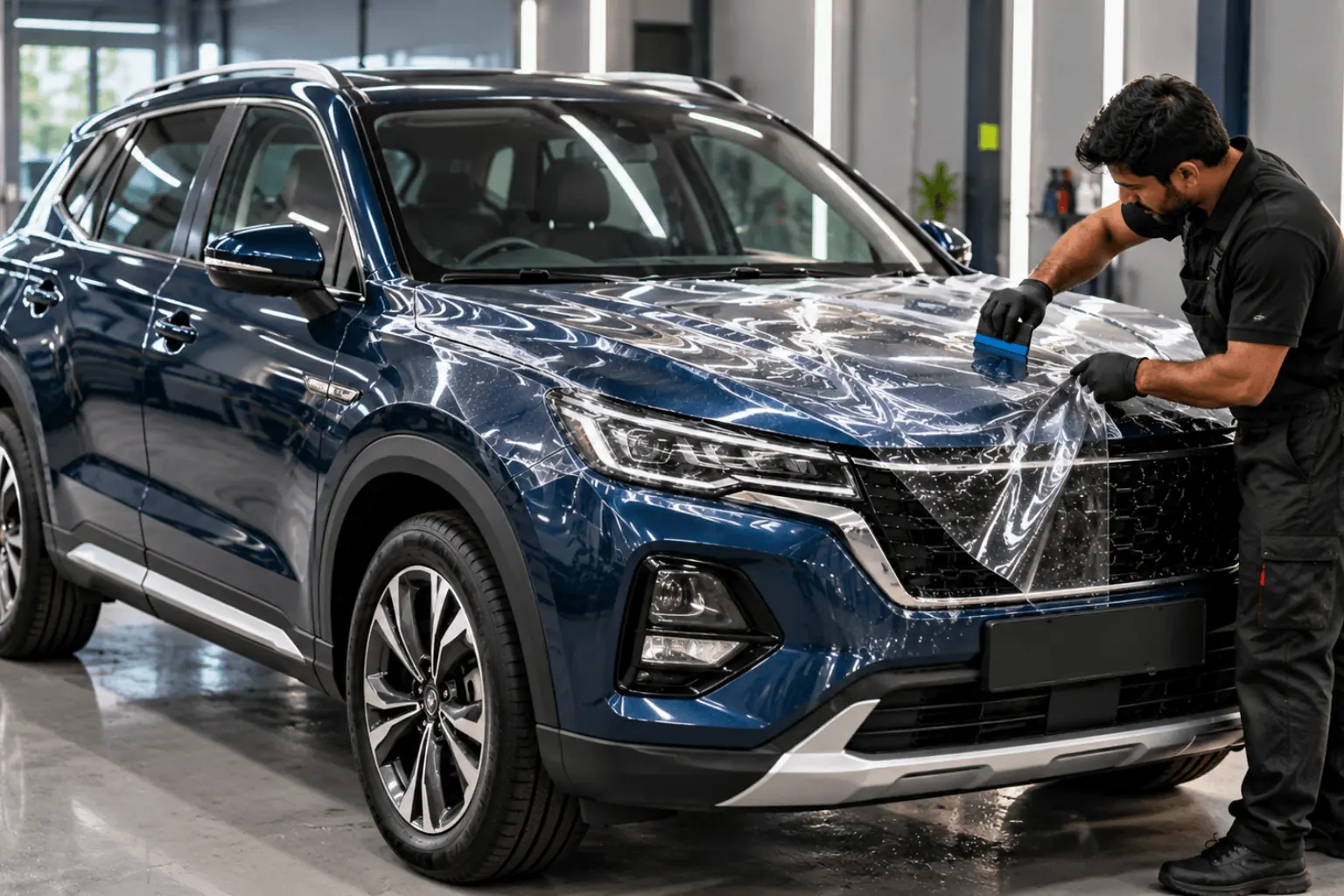
PPF performance is highly dependent on the installation quality. Poor installation can lead to bubbling, edge lifting, or contamination trapped beneath the film. These issues can worsen in cold conditions.
Professional installers use controlled environments to ensure proper adhesion and curing, even during winter. Providers like Global Hi-Tech Films specialize in precision installation and offer high-performance films that are also compatible with the cold winter conditions.
Winter PPF Maintenance Tips for Long-Lasting Protection
Maintaining PPF during winter ensures longevity and consistent performance. Here are some simple tips for PPF maintenance in winter that you can follow:
- Rinse your car frequently to remove any salt and chemical residues.
- Avoid aggressive scraping; use soft-bristle brushes or foam tools. Inspect edges for lifting after heavy snow or ice exposure.
- Opt for touchless car washes to minimize physical contact and scratches.
Final Thoughts: Why PPF is Essential for Winter Car Protection
Winter in the US exposes vehicles to some very harsh conditions, with road salt, slush, ice, and temperature changes that contribute to the damage equally. PPFs offer ice and snow protection for cars, providing a reliable, long-term solution by acting as a barrier against these elements.
Choosing the right coverage of PPFs for winter - partial, full-front, or full-body, combined with professional installation, ensures optimal protection and easier maintenance throughout the season.
Consult a certified PPF installer to determine the best winter coverage for your vehicle and ensure durable, long-lasting paint protection.
FAQs on Winter PPF
- How does PPF protect your car in harsh winter conditions?
PPF creates a physical barrier that absorbs scratches, resists chemicals like road salt, and prevents contaminants from directly damaging the paint. - Can paint protection film prevent damage from road salt and de-icers?
Yes. PPF acts as a chemical-resistant layer that prevents corrosive substances from reaching and damaging the paint surface. - Is PPF effective against scratches caused by ice and snow removal?
High-quality PPF is designed to resist minor abrasions and can even self-heal from light scratches caused by brushes or scrapers. - Which PPF coverage is best for winter driving conditions?
Full front PPF is ideal for most drivers, while full body PPF offers maximum protection for high-value vehicles or extreme conditions. - Do you need full-body PPF for winter protection, or is full front enough?
Full front is sufficient for most users, but full body coverage is recommended for comprehensive protection and long-term ownership. - How should you maintain PPF during winter to ensure long-lasting protection?
Regular rinsing, gentle cleaning methods, and avoiding abrasive tools are ket to maintaining PPF in winter. - Can extreme cold or freeze-thaw cycles damage PPF?
Premium PPFs are engineered to withstand temperature fluctuations without cracking or losing adhesion. - Is professional PPF installation necessary for winter conditions?
Yes. Proper installation ensures that the film adheres correctly and performs under extreme winter stress reliably.

 English
 German
 Spanish
 French
 Arabic
 Chinese
 Turkish
 Russian