

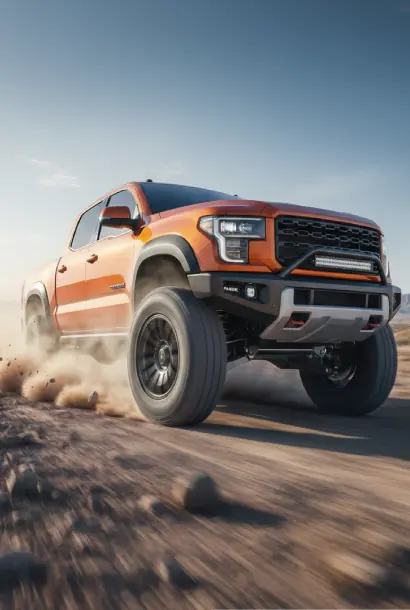




Is Paint Protection Film Worth It for Daily Driving in the U.S.?
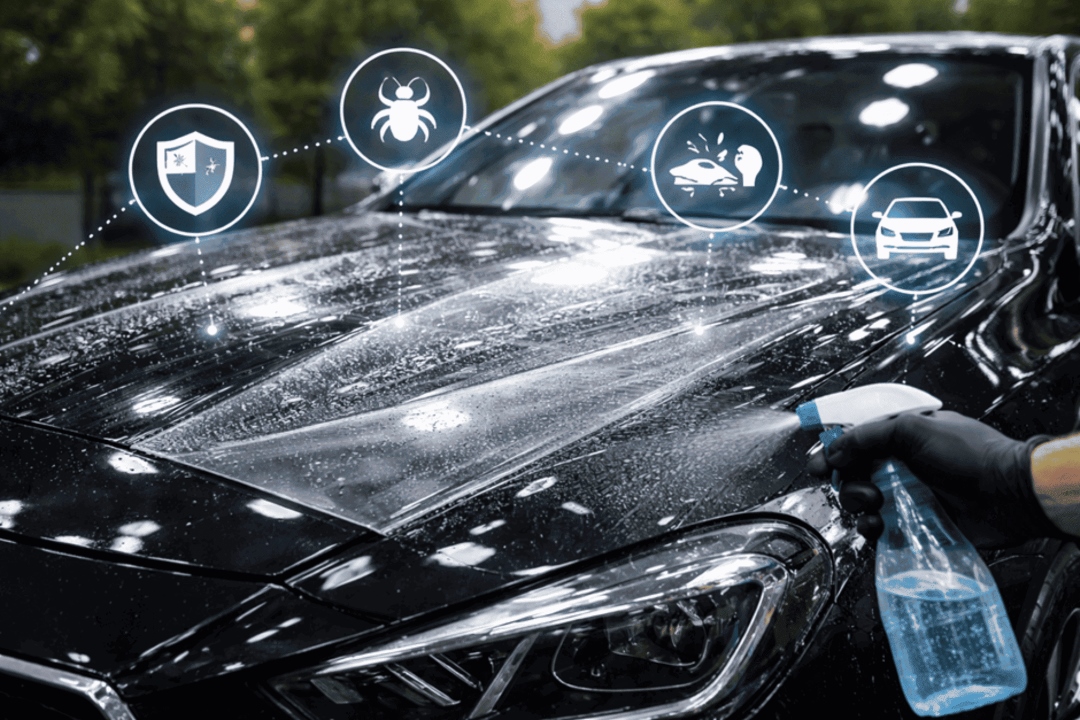
Is Paint protection film worth it? This is a common question that many car owners have. The answer is simple - Yes. It is, especially if your car is regularly exposed to real-world hazards like highway rock chips, flying debris, UV exposure, and corrosive elements like bird droppings.
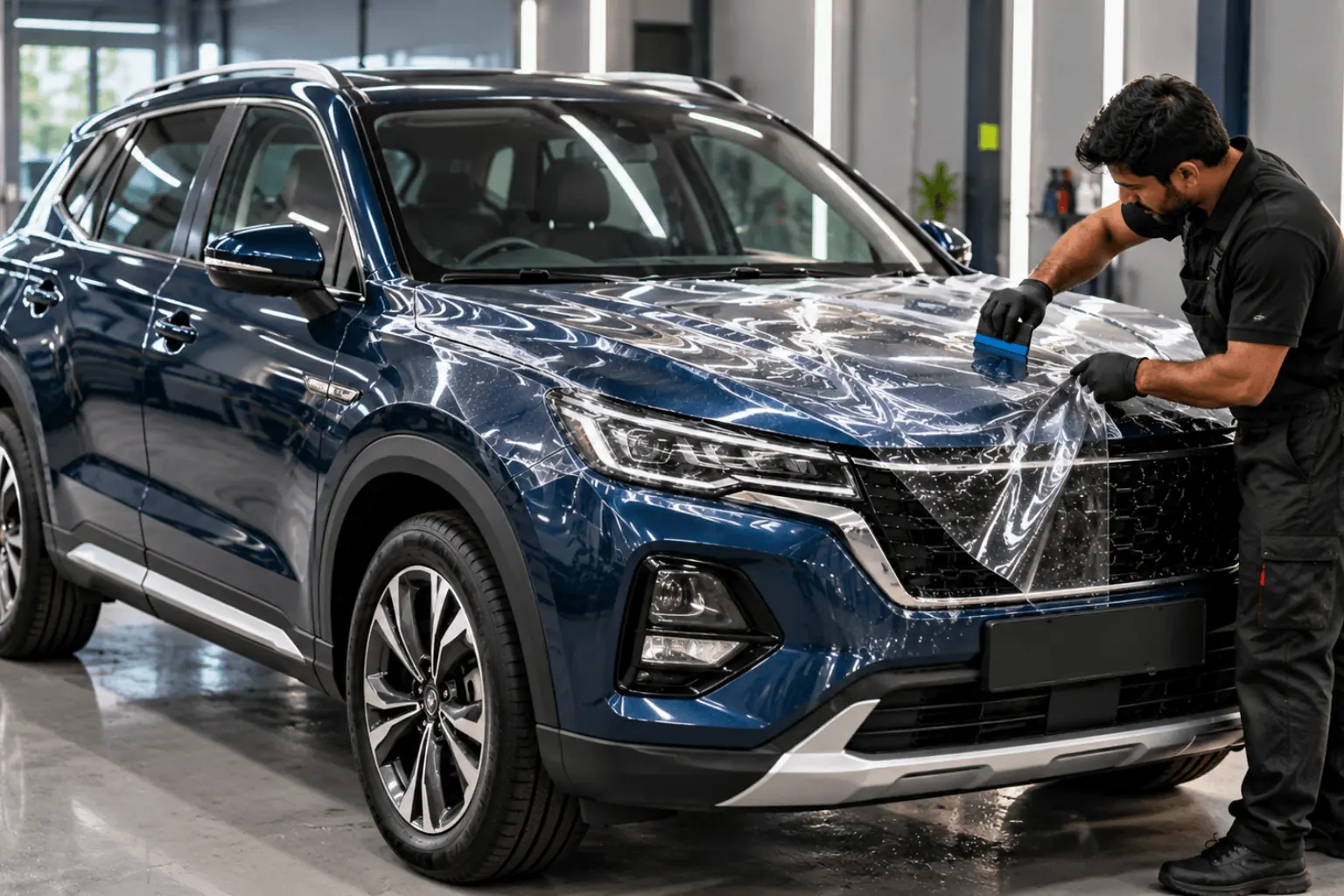
Daily driving puts your vehicle in constant contact with environmental and road-based threats that can degrade your car’s paint. Unlike occasional-use vehicles, daily drivers face repeated exposure that can accelerate wear and tear. PPF acts as a durable, transparent shield that absorbs impact and prevents damage from reaching the factory paint. It delivers strong long-term value and preserves your car’s original finish, while also reducing repainting costs and significantly improving resale appeal by maintaining a showroom-like condition.
In short, PPF is worth it because it protects your car from constant road damage, reduces long-term repair costs, and helps maintain resale value, making it a smart and preventive investment decision.
Why Daily Driving Causes More Paint Damage (And Why PPF Matters)
Daily driving exposes your car to far more risk compared to vehicles used occasionally. The difference lies in frequency, environment, and driving conditions.
Daily Drivers vs Weekend Cars
Daily drivers are constantly exposed to pollution, debris, and contaminants, compared to weekend cars, which spend more time in controlled environments.
Highway Driving Impact
Small stones or debris can cause paint chips on the front bumper, hood, and side mirrors, especially if the vehicle is traveling at high speed. This makes paint protection film for daily drivers even more essential.
Construction Zones and Gravel Roads
Loose gravel, dust, and construction debris are very common in urban and suburban areas, which increases the risk of scratches and chips.
Weather and Road Salt
During winters, snow, ice, and road salt can accelerate paint corrosion and surface damage.
Did you know? Daily drivers often experience more paint damage in one year than weekend cars do in 3 to 5 years.
Top Benefits of Paint Protection Film for Daily Drivers
There are many benefits of PPF for cars that are used daily. Let’s look at some of them:
Protection from Rock Chips and Debris
Car paint protection for daily driving absorbs high-speed impacts brought on by stones and road debris, preventing chips and dents on vulnerable areas like the bumper and hood.
Prevents Long-Term Paint Damage
High quality PPFs, like the range by Global Hi-Tech Films, protects the clear coat from scratches and contaminants, stopping minor damage from escalating into costly repairs.
Maintains Resale Value
There are also many PPF resale value benefits; a well-preserved factory finish offers major advantages when you want to sell your vehicle. Buyers also prefer original paint over repainted panels.
Easier Maintenance
PPFs have hydrophobic properties that repel water, dirt, and grime, making your car easier to clean and maintain.
UV and Environmental Protection
PPF for commuters helps prevent paint fading caused by constant exposure to UV rays. It also shields the vehicle from bird droppings, acid rain, and road salt.
PPF Pros and Cons: Is It Worth the Investment?
The PPF pros and cons should not be overlooked:
Pros | Cons |
| Self-healing technology (minor scratches disappear with heat) | High upfront cost |
| Long lifespan (5 to 10+ years) | Requires professional installation |
| High durability against physical damage | Not completely damage-proof, as extreme impacts can still penetrate. |
| Preserves vehicle aesthetics |
PPF Cost vs Value: Is It Worth It for Daily Driving?
The typical cost range for PPFs depends on the coverage type you choose:
- Partial coverage: $600 to $2500+ (depending on the vehicle)
- Full-front coverage: $1600 to $3500.
- Full body coverage: $4000 to $10,000.
While the PPF cost vs value may seem high, repainting a single panel often costs hundreds to thousands of dollars, and may not match the factory finish.
Looking at it from the value perspective, car paint protection for daily driving:
- Prevents repeated repair costs.
- Preserves original paint and gives a higher resale value.
- Reduces maintenance expenses.
Interestingly, PPF often pays for itself by preventing repaint costs and preserving resale value.
Disclaimers:
The costs mentioned are general estimates. Actual pricing may differ.
Best PPF Coverage Options for Daily Drivers (Full Front vs Full Body)
There is a range of PPF coverage options available for drivers who use their cars every day. Let’s look at some of them:
Full Front PPF (Most Recommended)
The full front PPF for daily drivers covers high-impact areas like bumper, hood, fenders, and mirrors. It also offers the best balance of cost and protection.
Track Pack/Extended Coverage
This coverage includes additional areas like rocker panels and lower doors, which is an ideal PPF for highway driving cars.
Full Body PPF
Provides complete protection across all painted surfaces. It is best suited for luxury or high-value vehicles.
Note:
Full front PPF is the most popular choice for daily drivers in the US.
Is Full Front PPF Enough for Daily Driving?
Yes. Full front PPF for daily drivers protects the most vulnerable areas, such as the front bumper, hood, fenders, headlights, and side mirrors, where most rock chips and debris damage typically occur. These zones face constant exposure during highway driving, making them the first to show signs of wear.
By focusing on these critical areas, full front PPF delivers maximum protection where it's needed the most. It strikes a practical balance between cost and performance, making it an efficient option for daily drivers who want strong protection, reduced maintenance, and long-term paint preservation without overspending.
How Long Does PPF Last on a Daily Driven Car?
Many car owners have this doubt: How long does PPF last? It typically lasts for 5 to 10 years, although it depends on the following:
- Driving conditions.
- Exposure to harsh environments.
- Maintenance practices.
- Quality of the film and installation.
Key Factors That Decide If PPF is Worth It for You
To know if PPF is worth it for daily driving, you should consider the following key factors.
Driving Habits
Frequent highway driving increases the need for protection.
Vehicle Type (Luxury vs Regular)
High-end cars benefit more due to expensive paint and resale value.
Budget
Upfront investment vs long-term savings should be evaluated thoroughly.
Ownership Duration
If you plan on owning the car for more than 5 years, you will gain more value from the PPF.
Installation Quality
Professional installation ensures that the PPF is durable and performs optimally.
PPF vs Ceramic Coating: Which is Better for Daily Drivers?
When it comes to protecting a daily-driven car, both PPF and ceramic coating serve important, yet significantly different purposes:
- Paint Protection Film (PPF): PPF is a thick, transparent film made from Thermoplastic Polyurethane. It acts as a barrier against rock chips, scratches, road debris, and minor abrasions caused by everyday driving. Its self-healing properties also allow light swirl marks and scratches to disappear with heat, making it ideal for high-impact zones like the front end.
- Ceramic Coating: This polymer chemically bonds with the paint surface to provide the ultimate protection. It enhances gloss, repels water, and makes the car easier to clean. It protects against dirt, bird droppings, UV rays, and light stains, but does not prevent physical damage like chips or scratches.
A key difference between them is that while PPF shields against impact, ceramic coating protects against contamination and surface degradation.
For daily drivers, combining both offers the most comprehensive protection. Applying PPF on high-impact areas or even on the full body and layering with ceramic coating on top enhances durability, improves aesthetics, and simplifies maintenance. PPF + ceramic coating offers the best all-around protection for daily driving conditions.
Final Verdict: Is PPF Worth It for Daily Driving in the U.S.?
Yes, PPF is worth it, especially if you:
- Own a new car.
- Drive frequently on highways.
- Plan to keep your vehicle long-term.
It’s a proactive investment that protects your car’s appearance, reduces long-term costs, and ensures better resale value.
For best results, consult a professional installer from PPF providers like Global Hi-Tech Films to determine the right coverage based on your driving habits and budget.
FAQs on PPF
- Is paint protection film worth it for daily driving in the U.S.?
Yes. It protects against constant exposure to road hazards and environmental damage. - Does paint protection film really protect against rock chips and road debris?
Yes. It absorbs impacts and prevents chips from reaching the paint. - Is a full front PPF enough for daily drivers?
Yes. Full front PPF covers the most vulnerable areas and offers excellent protection. - How long does paint protection film last on a daily-driven car?
It typically lasts for 5 to 10 years, depending on the usage and maintenance. - Is paint protection film a good investment for new cars?
Absolutely; it preserves the original factory finish, making a good investment choice for new cars. - How much does PPF cost compared to repainting a car?
While PPF may seem expensive upfront, it is often cheaper than multiple repaint jobs. - Does PPF help maintain resale value?
Yes. Buyers prefer cars with original paint in good condition. They also sell for higher prices, which is why they are a good option. - Is PPF better than ceramic coating for daily driving?
Yes. When it comes to physical protection, it is ideal. However, combining both is ideal. - Can paint protection film get damaged or wear out over time?
Yes. But it is designed to take the damage that would have affected the car’s paint. - Do I need full-body PPF, or is partial coverage enough for daily use?
Partial or full-front coverage is sufficient for most daily drivers.

 English
 German
 Spanish
 French
 Arabic
 Chinese
 Turkish
 Russian