

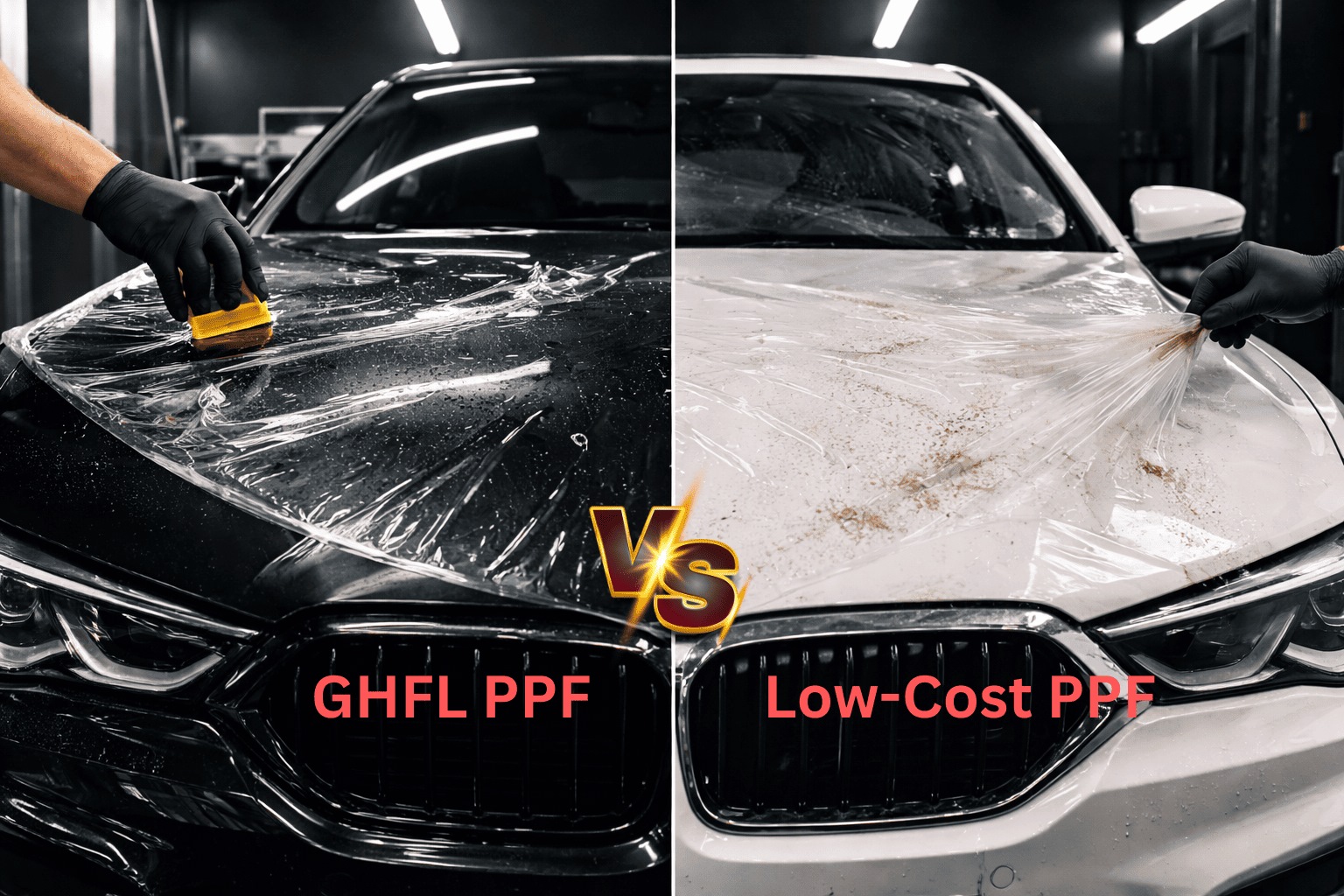
GHFL PPF vs Low-Cost PPF: Real Performance Comparison After 3 Years
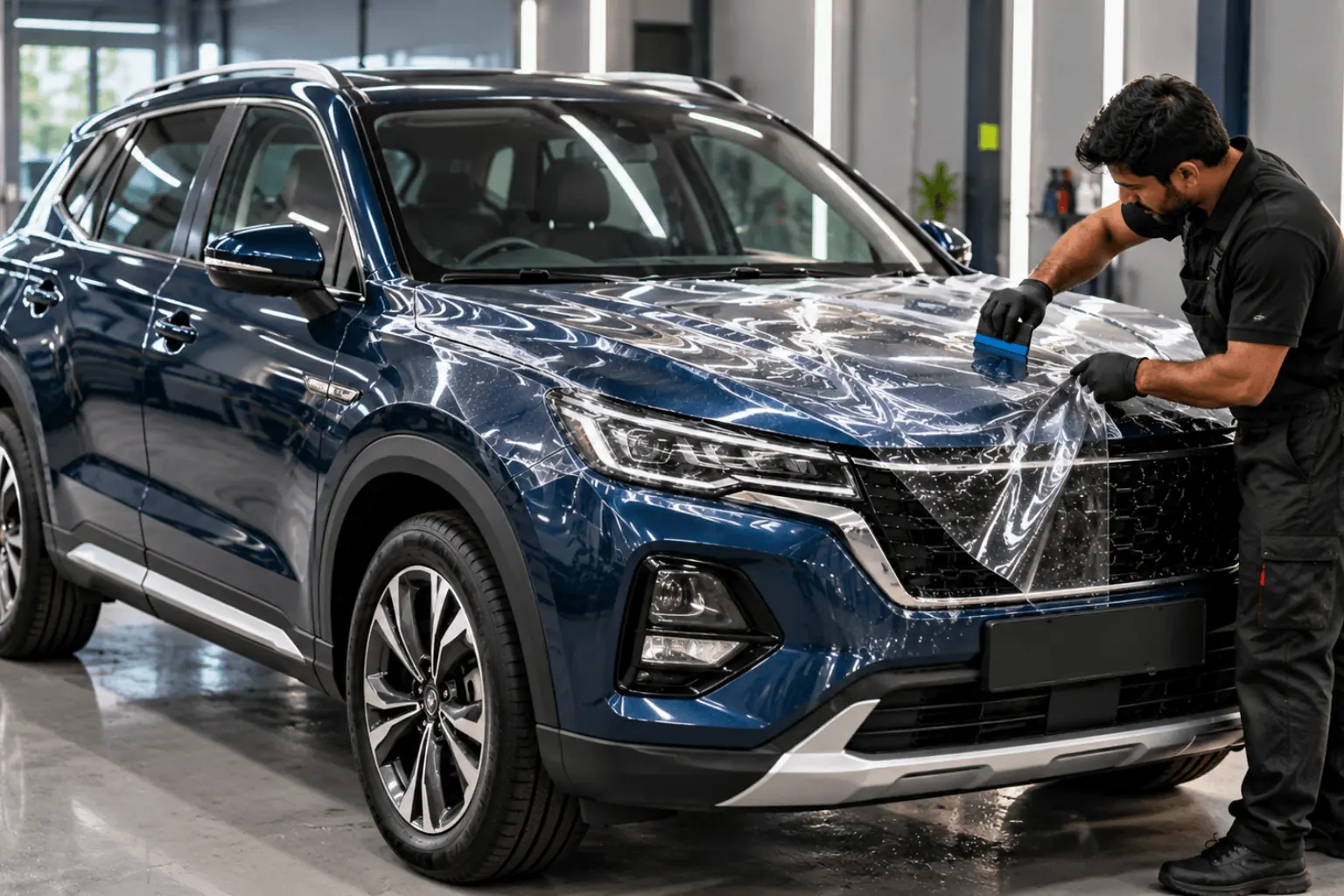
Paint protection film (PPF) is becoming a popular choice among car owners who want to keep their car looking new for longer. While many people go for cheaper options to save money upfront, there’s often less awareness about how these films perform over time.
This is where PPF by Global Hi-Tech Films Ltd. (GHFL) stands out as a premium option, offering longer-lasting protection while keeping your car’s finish smooth and well-maintained.
The differences between premium options like GHFL PPF vs low-cost PPF may not be obvious right away. However, over time, with everyday use, you start to notice it, especially in areas like durability, finish, and how well the film actually protects your car.
This blog takes a closer look at how different paint protection films perform in real-world conditions, especially after 3 years or more. If you’re trying to decide between a low-cost film and a premium one, this will help you make a more practical and informed choice.
Why PPF Quality Matters for Long-Term Car Protection
Paint protection film isn’t just about how your car looks; it helps protect it from everyday damage. It acts as a barrier against small scratches, sunlight, and dirt, helping your car’s paint stay in good condition for longer. A good-quality PPF helps keep your car’s original paint in great condition, which can make a big difference when you decide to sell it. Cars that look well-maintained usually get better resale value. That’s why the longevity of car paint protection film really matters.
On the other hand, low-quality films can end up causing more problems than protection. Over time, they may wear out, damage the surface, leave adhesive behind, or even affect the paint. A proper PPF quality comparison shows that not all films offer the same level of protection or durability.
GHFL PPF vs Low-Cost PPF - Real Comparison After 3 Years
Low-cost PPF might feel like a good deal at first, but over time, the costs can add up. That’s why comparing GHFL PPF vs low-cost PPF really helps.
Let’s take a closer look at how GHFL PPF performs after 3 years and how it stacks up against cheaper options:
Feature | GHFL PPF | Low-Cost PPF |
Surface Finish | Gloss intact, smooth appearance | Surface damage, dull finish |
Cracking | No cracking over time | Visible cracking and breakdown |
Yellowing | Maintains clarity | Turns yellow over time |
Adhesive Quality | Clean removal, no residue | Adhesive residue left behind |
Durability | Long-lasting protection | Degrades quickly |
Paint Safety | Safe for vehicle paint | Risk of paint damage |
Maintenance | Low | High |
Lifespan | 5–10+ years | 1–3 years |
Overall Value | High long-term value | Poor long-term value |
Here’s a simple breakdown of each aspect and how it impacts durability, appearance, and overall value.
Surface Finish & Gloss Retention
One of the easiest differences to notice in this low-cost PPF vs premium PPF comparison is the surface finish. Premium films like Global Hi-Tech Films stay glossy and smooth even after years of use.
On the other hand, low-cost films tend to lose their shine quite quickly. As the surface wears down, the car can start to look dull and older than it really is. Over time, this takes away from the overall look of the vehicle.
This is one of the premium PPF benefits, as it helps your car maintain a fresh, glossy look for years.
Cracking & Structural Integrity
An important part of any PPF durability comparison is how well the film holds up over time. Premium PPF is made to stay flexible, even in harsh heat and changing weather conditions.
Low-cost PPF, however, can become hard and brittle. With constant exposure to sunlight and temperature changes, it may start to crack. This not only affects appearance but also reduces its ability to protect the paint. It’s also one of the main reasons behind PPF bubbling and peeling issues that many car owners face with cheaper films.
Yellowing Resistance
In an anti-yellowing PPF comparison, it really comes down to how well the film keeps its PPF clarity and color stability over time. Premium options like GHFL PPF are made with better materials, so they stay clear and keep that fresh, just-installed look for longer.
With low-cost PPF, you may start to notice yellowing after some time. This usually happens because of weaker materials and poor UV protection, which can make the car look older and the film look worn out.
Adhesive Quality & Safe Removal
The quality of the adhesive matters a lot when it comes to both applying and removing PPF. Premium films are designed to come off cleanly, without leaving any residue behind.
Low-cost films, however, often don’t perform as well. When you remove them, they can leave behind a sticky layer that may need extra cleaning or even paint correction. This not only adds to the effort but also affects PPF’s maintenance and lifespan in the long run.
Long-Term Cost Comparison: Premium vs Low-Cost PPF
Low-cost PPF might seem cheaper at first, but the costs can build up over time. Here’s a simple comparison:
Cost Factor | Premium PPF | Low-Cost PPF |
Initial Cost | Higher | Lower |
Replacement Frequency | Rare | Frequent |
Maintenance Cost | Low | High |
Removal & Cleanup | Minimal | Additional cost |
Total Cost Over Time | Lower | Higher |
ROI | High | Low |
Low-cost PPF usually needs to be replaced within 1–3 years, which adds to the overall cost. On top of that, you may also have to spend on removal, reinstallation, and even paint correction, making it more expensive in the long run.
Premium PPF, on the other hand, lasts longer and performs better over time. This makes it a smarter choice when you consider PPF's long-term performance and overall value.
Common Problems with Low-Cost PPF
Car owners who go for budget options often start facing issues quite early, such as:
- Yellowing and discoloration
- Cracking and surface damage
- Sticky residue after removal
- Loss of shine and clarity
- Reduced protection over time
These problems don’t just affect how the car looks, but also reduce how well the film actually protects the paint.
Benefits of Premium PPF for Cars
Premium PPF, such as the PPF from Global Hi-Tech Films Ltd, is designed to perform well under different conditions and last longer. Here’s what makes it a better choice:
- When you look at TPU PPF vs low-quality PPF, the difference is clear. TPU construction stays flexible and durable over time
- Keeps the car looking glossy and clear for a long time
- Resists yellowing and cracking
- Easy to apply and remove without leaving residue
- Protects well against dirt, sunlight, and other damage
- Works well even in harsh weather conditions
All these benefits make it a long-lasting paint protection film that continues to protect your car for years.
Which PPF is Better: Premium or Low-Cost?
At first, low-cost PPF may seem like a good deal because it’s cheaper. But over time, the need for frequent replacement, extra maintenance, and possible damage can make it more expensive than expected.
This paint protection film comparison shows that premium options like Global Hi-Tech Films PPF last longer, look better, and protect your car more effectively. If you want your car to stay in great condition for years, investing in a high-quality film makes more sense.
In the end, if you value long-term performance and peace of mind, premium PPF is the better choice.
Conclusion: Is Premium PPF Worth the Investment?
Paint protection film isn’t just an add-on; it’s a way to protect your car’s condition and value over time. The choice between premium and budget options can make a big difference in how your car looks and performs in the long run.
When you look at PPF real-world test results and compare low-cost PPF vs premium PPF, it’s clear that quality plays a big role. Choosing a reliable option like GHFL PPF means better durability, stronger protection, and more peace of mind.
In the end, picking the right PPF doesn’t just protect your car; it also helps protect your investment.
FAQs on GHFL PPF vs Low-Cost PPF
1. What is the difference between GHFL PPF and low-cost PPF?
GHFL PPF is made with better materials and layers, so it lasts longer and looks clearer, while low-cost PPF is more basic and wears out faster.
2. How does GHFL PPF perform after 3 years compared to cheap PPF?
After 3 years, GHFL PPF usually still looks smooth and glossy, while cheap PPF often starts fading, peeling, or turning dull.
3. Does low-cost PPF turn yellow or peel over time?
Yes, cheaper PPF can turn yellow or start peeling because it doesn’t handle sunlight and wear very well.
4. Is GHFL PPF more durable than budget paint protection films?
Yes, GHFL PPF is tougher and holds up better, while budget films tend to wear out faster.
5. How long does a premium PPF like GHFL last on a car?
A good quality PPF like GHFL can easily last 5 to 10 years if you take care of it.
6. Is investing in high-quality PPF better than choosing a cheaper option?
Yes, you spend more at first, but it saves you money later since you won’t need to replace it often.
7. What causes bubbling and fading in low-cost PPF?
This usually happens because of low-quality material, weak glue, or poor installation.
8. Does GHFL PPF provide better protection against UV, heat, and scratches?
Yes, GHFL PPF offers better protection because it includes UV-resistant and self-healing layers that handle heat and minor scratches well.

 English
 German
 Spanish
 French
 Arabic
 Chinese
 Turkish
 Russian